


“Black lists” of persons banned from going abroad kept secret
15- 30.03.2012, 13:54
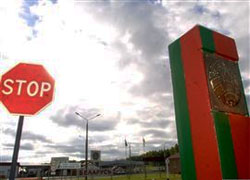
Belarusians cannot obtain reliable information whether they are on the database of persons who are banned leaving the country or not until the moment they arrive at a border check point.
As Interfax-Zapad agency informs, during the hotline the chief of the border control department of the State Border Committee Ivan Bandarenka, “a citizen can receive information about being put on this database (of citizens temporarily restricted from leaving the country) according to the place of residence at a subdivision of an internal affairs department, however it is no guarantee of unobstructed crossing the border.”
“When control is exercised by border guards, they use a computer system. They do not take into account information on paper medium about person’s being put on the database or cancelling from the database (documents from law enforcement agencies on paper) in favour of a person,” I. Bandarenka stressed. In this way he answered the question whether it is possible to receive a certificate at a citizenship and migration department about absence of restrictions for leaving the country and be sure that the border could be crossed freely. “Why [it is possible to be blacklisted while you have a document from an internal affairs department. – Interfax]? After the person received such a document, and goes to a border crossing point, some agency could consider an issue of blacklisting this person within 2-3 hour,” the interlocutor of the agency supposed. He also stressed that a citizen cannot receive information from the border agencies, as it is a competence of the Interior Affairs Ministry.
“We do not consider other information, beside the information we have in our system. We receive this information in electronic form from the Interior Affairs Department. This data is forwarded to our units almost at the border on a real time basis,” I. Bandarenka added.
The chief of the border control department has not revealed the total amount of persons banned from going abroad, and recommended to address the Interior Affairs Ministry, which is the owner of this information.
I. Bandarenka has also spoken against publicizing the lists of the blacklisted, even with the aim to prevent damages to citizens who could “lose” the costs of tickets or have other losses. “The information we discuss cannot be officially divulged, as it is confidential. It affects rights and interests of citizens. The persons, who are restricted from leaving the country, are informed about that by competent authorities. Publication of these lists is out of question,” I. Bandarenka said.