Preliminary Results Of The Elections In Syria Are Known
- 7.10.2025, 8:25
- 4,216
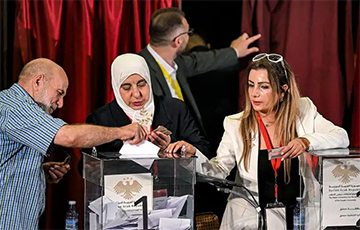
Several women were elected to the new parliament.
The representation of women and religious minorities in Syria's new transitional parliament, whose elections were held over the weekend, was low, preliminary results announced Monday showed, the BBC wrote.
It was the first election since the ouster of Bashar al-Assad late last year. The new parliament is expected to serve until a new permanent constitution is adopted and general elections are held.
A total of 210 deputies are elected to the People's Assembly in indirect elections - electoral colleges choose two-thirds (140 people), with the remaining parliamentarians appointed by interim President Ahmed al-Sharaa.
Citing security and political reasons, authorities postponed voting in three provinces, including Kurdish-controlled Raqqa and Hassek, as well as Suweida, where there have been bloody clashes between government forces and Druze militias.
The weekend vote resulted in the election of 119 MPs - 21 seats in the People's Assembly have so far been left vacant. The Syrian leader plans to appoint another 70 during this week.
The new parliament includes six women. Earlier, the local election commission said women made up 14 percent of the more than 1,500 candidates.
Ten seats went to religious and ethnic minorities - among them Kurds, Christians and two Alawites, who include ousted former President Assad.
A spokesman for the electoral commission, Nawar Nejmeh, said at a news conference that only 4 percent of the 119 elected members were women, noting that the number "does not correspond to the position of women in Syrian society and their role in political, economic and social life."
He also said there were only two Christians among the winners, calling the representation "weak given the proportion of Christians in Syria."
Nejmeh said those candidates to be appointed by the Syrian leader could compensate for the underrepresentation of some sectors of Syrian society, but rejected any quota system for parliamentarians.
Ahead of the vote, analysts raised concerns that the process was over-centralized and that the suspension of elections in some areas meant that not all communities were fairly represented.
Nejmeh told reporters that the possibility of holding elections in Kurdish areas depended directly on the success of negotiations to integrate the areas. He stressed that the authorities remained "serious" about organizing voting in those regions.
Human rights activist and political activist Nur al-Jandali, who received a mandate from Homs in central Syria, said the new parliamentarians "bear a great responsibility."
She said the new People's Assembly faces serious challenges, including "the question of how to rebuild a state based on freedom and justice," adding that "women must play a real and active role" in shaping public policy.
Critics argue that without a direct popular vote, elections are not in line with democratic principles, and believe that the electoral college system can strengthen the position of those with the right connections.

Bank's name: Bank Millennium S.A.
Address: ul. Stanislawa Zaryna, 2A, 02-593, Warszawa
IBAN: PL97116022020000000216711123
SWIFT: BIGBPLPW
Name of the account holder: Fundacja “KARTA ‘97”
Purpose/title of payment: Donation for statuary aims
You can contact us by the e-mail charter97@gmail.com