Bloomberg: Russia's Crude Oil Exports Fall Sharply
1- 4.11.2025, 20:31
- 3,348
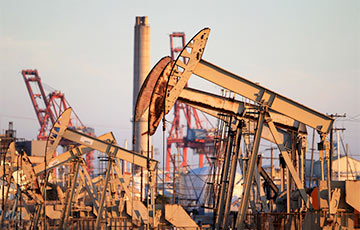
Because of U.S. sanctions.
Offshore oil shipments from Russia have dropped sharply as the latest U.S. sanctions have forced key buyers to suspend their purchases. Moreover, some of the exported oil is not delivered to refineries but remains on tankers used as floating storage facilities, Bloomberg reported, citing ship-tracking data.
In the week to Nov. 2, after the U.S. imposed blocking sanctions against Rosneft and Lukoil, 26 tankers took 21.11 million barrels on board at Russian ports, compared with 34 vessels loading 26.41 million a week earlier. The average daily export was 3.02 million barrels, down 20 percent from 3.77 million a week earlier. The 4-week figure fell by 190,000 bpd to 3.58 million, the biggest drop since January 2024.
Refiners in India, China and Turkey, which had been buying a total of about 95% of Russian crude, have suspended shipments pending clarification of the situation or in some cases ordered oil shipments from smaller Russian companies not yet on the sanctions lists. As a result, Russia has had to leave some of its cargoes at sea. The amount of Russian oil in tankers has risen 8 percent to more than 380 million barrels since early September, when the United States' doubled duties on India also became effective. That volume exceeds 100 days of exports.
At the beginning of the year, there were about 340 million barrels in tankers.
India's largest private company, Reliance Industries, has said it will comply with U.S. sanctions; instead of Russian oil, it has recently been buying crude from the Middle East, the United States and Brazil. State-owned Indian Oil Corp. the country's largest refiner, didn't make a single order from Russia in the week after sanctions were imposed on Rosneft and Lukoil. It then bought five shipments of 3.5 million barrels of Far East ESPO grade for delivery in December from companies not subject to Western sanctions. But at the same time, Indian Oil organized a tender for 24 million barrels from the US, Canada, Brazil and Latin American countries for delivery in the first quarter. The company usually imports about 1.5 million barrels per day.
Chinese companies have also become cautious. State-owned Sinopec and PetroChina canceled the delivery of some Russian shipments. Rystad Energy estimates that Chinese purchases could drop by 45%, or about 400,000 bpd.
Torbjon Tornqvist, CEO of oil trader Gunvor, which has agreed with Lukoil to buy out its international business, however, believes that one way or another Russia will be able to partially restore supplies. "No one can say for sure, but I would say the price reaction and supply implications will be relatively limited," he told Bloomberg on the sidelines of an energy conference in Abu Dhabi.
Brent crude oil rose only a few dollars after the sanctions were announced and has been hovering around $64 to $66 a barrel ever since.

Bank's name: Bank Millennium S.A.
Address: ul. Stanislawa Zaryna, 2A, 02-593, Warszawa
IBAN: PL97116022020000000216711123
SWIFT: BIGBPLPW
Name of the account holder: Fundacja “KARTA ‘97”
Purpose/title of payment: Donation for statuary aims
You can contact us by the e-mail charter97@gmail.com