

Dzmitry Zavadski Abducted 17 Years Ago
4- 7.07.2017, 8:59
- 31,465
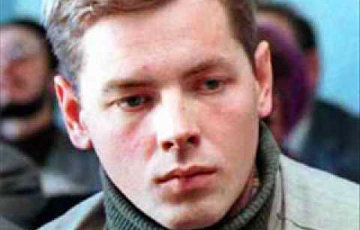
ORT cameraman Dzmitry Zavadski disappeared without a trace in Belarus on July 7, 2000.
Dzmitry Zavadski was 27 years old at the time of abduction.
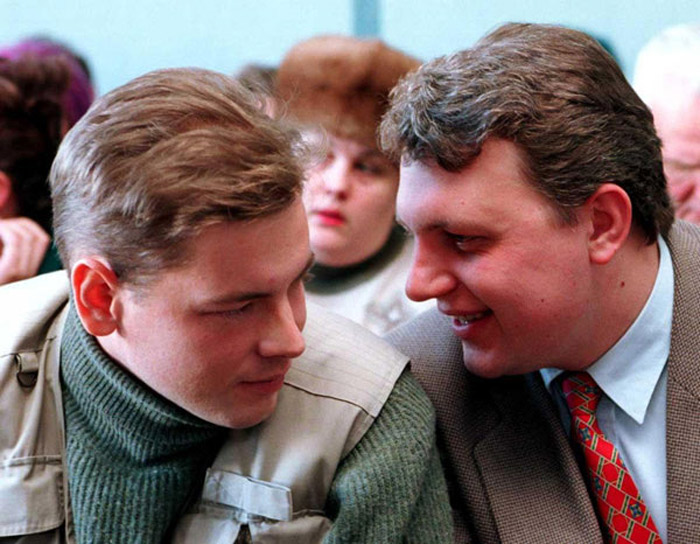
In 1994-1997, Zavadski worked in the Aliaksandr Lukashenka's pool of camera operators, then he left for Russian Public Television (now the Channel One Russia). In the spring of 1997, Dzmitry, together with ORT reporter Pavel Sheremet, was arrested and charged with illegal crossing of the Belarusian-Lithuanian border while filming the report. He put on probation for a year and a half. From October 1999 to May 2000, Zavadski worked in Chechnya, where he, together with Sheremet, filmed the Chechen Diary documentary.
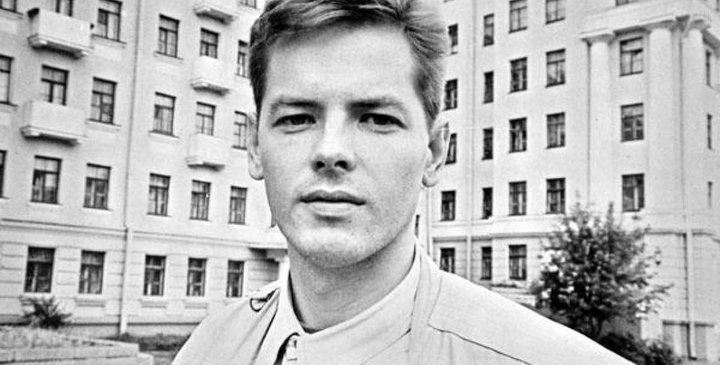
Early in the morning on July 7, 2000, Zavadski left the house and headed towards the national airport Minsk to meet Sheremet, who flew from Moscow. Since then, no one has seen the cameraman. His car was found at the airport.
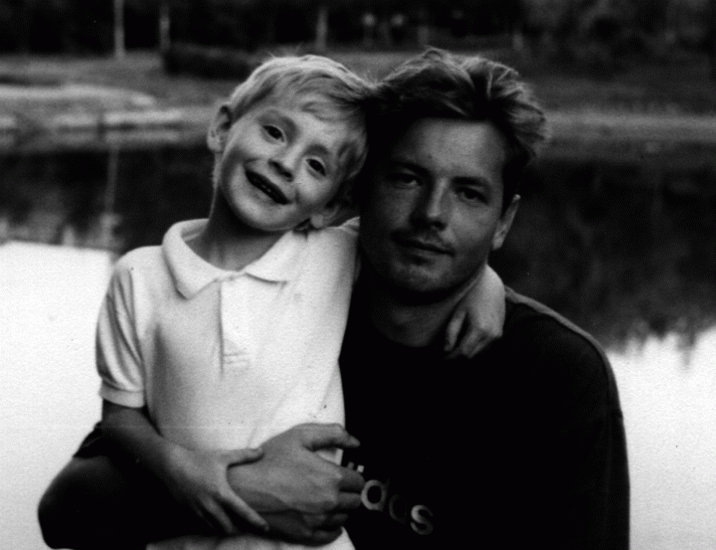
Zavadski had a son, Yury.
In 2002, the Minsk Regional Court found the military group of Valery Ignatovich, a former soldier of the MIA's special subdivision "Almaz", who had met with Zavadski in Chechnya, guilty of abducting Zavadsky. Two members of this group, including Ignatovich himself, were sentenced to life imprisonment. They both did not plead guilty.
The court decided that the abduction was allegedly "committed out of revenge for Zavadski's professional activities," who investigated the facts of participation of Belarusians in military operations in Chechnya on the side of separatists.
In March 2004, the prosecutor's office suspended the investigation into the Zavadski abduction "because of the failure to discover the missing person." In 2005, the investigation was resumed, but in April 2006 it was suspended again.
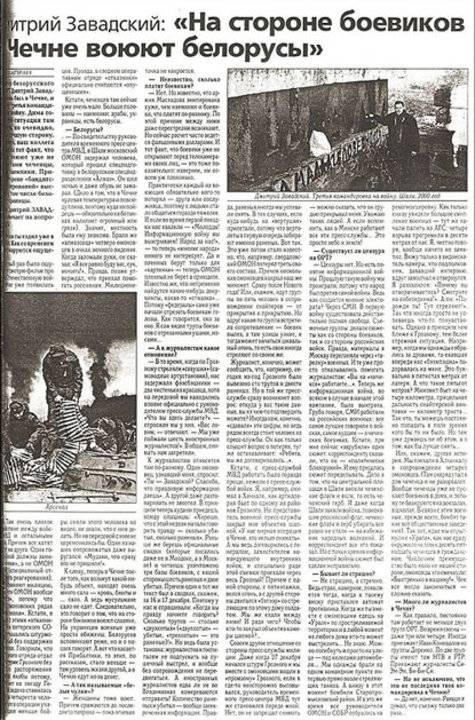
Neither Dzmitry's colleague, nor his family believe in the official version, according to which that were officers of the MIA's special subdivision "Almaz" who abducted and murdered Zavadski out of revenge for the interview.
People believe that the charge and the trial of Zavadski's case were fabricated in order to hush up the fuss surrounding the abduction. Performers, who had previously committed other crimes ordered by the regime, but not involved in the disappearance of Dzmitry Zavadski, were sent to prison because they had fallen out of favor.
Dzmitry Zavadski's case stands next to other high-profile disappearances of 1999-2000: disapeparance of the former Interior Minister Yury Zakharanka, former CEC head Viktar Hanchar and his friend businessman Anatol Krasouski.
The European Union and the United States imposed sanctions against former interior ministers Uladzimir Naumau and Yury Sivakou, former Security Council Secretary Viktar Sheiman and former commander of special forces brigade of the MIA's Internal Troops Dzmitry Paulichenka because of the suspicion of their involvement in these disappearances.