
Lithuanian Defense Minister: Lukashenka Got Into Trap, Which He Was Building For EU Countries
13- 20.08.2021, 14:11
- 29,186
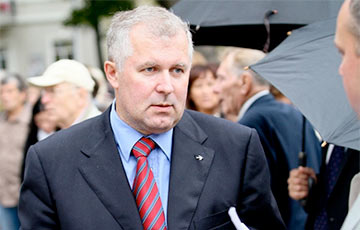
PHOTO: DELFI
Thousands of illegal immigrants are roaming the forests of Western Belarus.
The situation at the border has stabilized after the decision to turn back the illegals. Now, Minsk is concerned about what to do with those refugees who remain in Belarus. Lithuanian Defense Minister Arvydas Anušauskas said this in an interview with Delfi.
- For our part, we can say that, yes, the situation has indeed stabilized. Now our institutions are dealing with those illegals who live in Lithuania. That is, we have to decide on their further stay; the migration service prepares documents, checks them, and follows all procedures prescribed for this situation. But I wouldn't say that the situation in Belarus has stabilized, because several thousands - probably about four or five thousand illegal immigrants - are still roaming the forests of western Belarus, living in hotels, their money, we know, is running out. The Belarusian side forcibly - the law enforcement officers - take them to the border, force them to cross the Lithuanian border. We, certainly, do not allow that. But, in any case, we see that Lukashenka himself has got into the trap that he was building for the countries of the European Union. And I think it's a question what will happen to these people, what situation they will find themselves in," said the Minister.
At the same time, the Minister notes that Lithuania is ready for any development on the border and informs its NATO and EU allies about the situation.
- That is, our partners know what is happening on the border and on the other side. In real time. I think that's important so that all the countries, our partners, NATO countries and the European Union would be in the same information field.
Anušauskas also said that there is an active construction of the restrictive border fence.
- The length of the fence is increasing by more than half a kilometer every day. And it is being built in very difficult conditions, which means peat bogs and swamps, places to which access was quite limited even for the border guards. And it was quite difficult to patrol these areas.