

Bayraktar & Neptun: New Details Of Missile Cruiser 'Moskva' Destruction Revealed
37- 22.04.2022, 19:01
- 45,866
The tactics of the Ukrainian army turned out to be more thoughtful than the enemy could have foreseen.
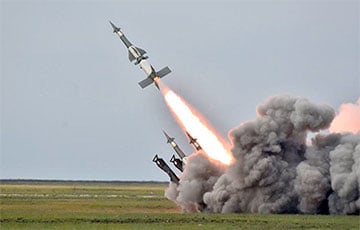
Moskva was hit by two Ukrainian-made Neptun anti-ship missiles. Once launched, they fly low over land, making themselves difficult for anti-missile radars to detect.
However, the Neptuns have another problem - unlike most other anti-ship missiles, they move slower than the speed of sound.
Thus, the cruiser's air defense systems would probably have had time to react to the threat if only missiles threatened the ship.
However, the tactics of the Ukrainian army turned out to be more thoughtful, notes The Economist. The publication spoke with a Ukrainian colonel, who wished to remain anonymous, and the man shared some details of the operation.
Shortly before the attack, Ukrainian forces launched Bayraktar drones, which gained fame in the early days of the war, into the sky. The presence of several drones at once distracted the operators on the ship.
Another problem was missile radars. As soon as the systems detect that the ship is "highlighted" by target designation radars, an alarm is triggered, and personnel can prepare to repel a missile attack. However, due to the fact that the Bayraktars transmitted the position of Moskva even before the launch of the missiles, the Neptuns' radars worked for only 2-3 minutes before the strike, while the entire flight could have been five times longer. This significantly prevented the Russian troops from preparing to repel a missile strike.
Russia clearly underestimated the threat. Apparently, Moskva acted practically independently, and therefore had virtually no support from other ships of the Navy.
The very design of the ship also made it vulnerable. The vaults contained P-1000 Vulkan anti-ship missiles - shrapnel from Neptune's impact could have ignited their rocket fuel or detonated one or more warheads, resulting in additional damage.