

FPV Drone Manages To Destroy 12-Tonne Russian Mi-8 Helicopter For First Time In History
2- 1.08.2024, 7:53
- 23,982
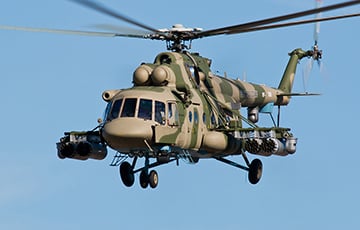
The virtuoso strike was carried out in Donetsk region.
Ukrainian forces use more than 100,000 FPV drones a month along the entire front line, which is more than a thousand kilometres long. They crash into armoured vehicles, find enemy infantry and also attack Russian howitzers as counter-battery fire. The other day one of the quadrocopters apparently shot down a Russian helicopter for the first time.Forbes
writes about it.
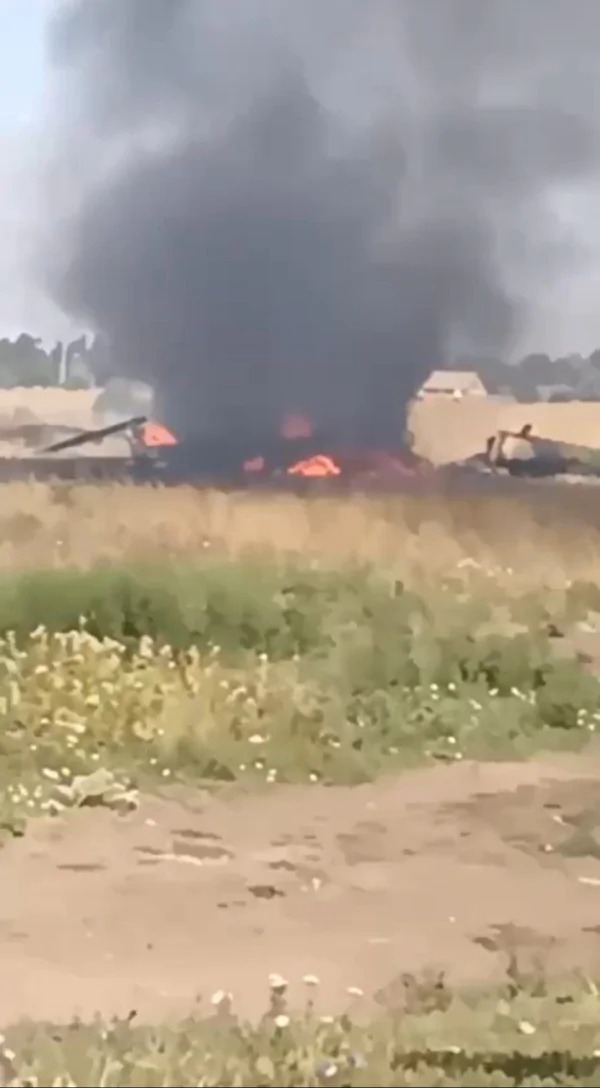
On the photos and video published on social networks - the transport Mi-8 is burning on the territory of the occupied Donetsk region.
‘Eternal flight brothers. Speedy recovery to the survivors,’ wrote one of the Russian war bloggers.
According to the authors of the publication, this was the goal of the AFU since September, and the threat was so serious that some Russian helicopters had to accompany others.
‘Apparently, it took 10 months before a Ukrainian drone operator finally hit a Russian helicopter. Obviously, there were months of misses: this is because the helicopter reaches speeds of over 240 km/h at an altitude of several thousand metres. That's too fast and too high for a drone operator - without virtuoso skills or unprecedented luck - to hit a helicopter accurately with a kilogram drone,’ the US publication notes.
The Ukrainian drone pilot is highly skilled and lucky, or both. He spotted the 12-tonne drone, which is used for attacks, transport and evacuation, when it was still close to the ground.
‘Caught a Rosguard eight. Caught at the moment of takeoff,’ a Russian Telegram channel said.
FPVs usually only have 1kg of explosives, and the firepower is not enough to disable a helicopter when it hits the propeller.
Ukrainian operators have learnt how to hit the most vulnerable parts of Russian vehicles. Drones fly into the open hatches of APCs, under the extra layer of armour of so-called skull tanks and into the doors of fortified dugouts.
The helicopter propeller is noticeably larger than the hatch of an APC, and it is easier to hit it. The distance from the front line where this incident took place - about 16 kilometres - is impressive. According to journalists, the help of a second drone, which was several kilometres away from the first one and was relaying short-range signals, may have been needed here. This is a complex operation requiring precise co-operation.
‘The Russian army has hundreds of helicopters and so far they have lost about a hundred. One helicopter will not have catastrophic consequences. But now that the Ukrainians have shot down their first helicopter, they may redouble their efforts,’ the publication said.
Taking into account the number of FPVs that Ukraine uses on the front line, we can say that the threat to Russian helicopters will increase significantly, the journalists also noted.

Bank's name: Bank Millennium S.A.
Address: ul. Stanislawa Zaryna, 2A, 02-593, Warszawa
IBAN: PL97116022020000000216711123
SWIFT: BIGBPLPW
Name of the account holder: Fundacja “KARTA ‘97”
Purpose/title of payment: Donation for statuary aims
You can contact us by the e-mail charter97@gmail.com