
The Telegraph: Europe Is Finally Waking Up To The Russian Drone Invasion
7- 5.10.2025, 12:46
- 6,566
Who will act faster?
The West is waking up to the Russian drone incursion. A wave of incidents across Europe threatens to escalate, writes The Telegraph.
Around 11:30 p.m. on Sept. 9, about 20 drones crossed into Polish airspace from Belarus, an incident that nearly triggered a clash with NATO and just the beginning of a series of disturbing incursions over Europe.
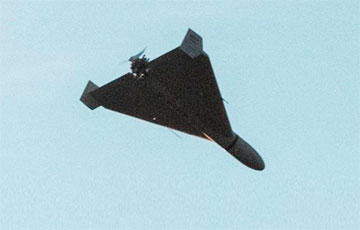
Many of the detected vehicles were cheap Gerbera drones based on Iran's Shahed design; at least four drones were shot down by Polish and allied fighters. Russia denies allegations of deliberate NATO border crossings, but other incidents have since been reported - notably intrusions into Romanian airspace and numerous unidentified sightings over various European countries.
Scale of Incidents
Drone reports in recent weeks have come from Germany, Belgium, France, Norway, Sweden, Finland, Lithuania and Denmark. On Thursday, Munich airport was temporarily closed due to a drone sighting. Danish Prime Minister Mette Frederiksen has already linked a number of sightings to Moscow and called for a strong response, although concrete evidence of Russian responsibility has yet to be made public by some countries.
It is suspected that some of the drones may have been launched from "shadow fleet" tankers - vessels used to circumvent sanctions. France last week temporarily stopped a Boracay ship passing through the Baltic Sea during a wave of drone sightings.
Advertising
Russian Geranium UAVs (modified Shahed-136) are produced in large batches: according to reports, a factory in Alabuga is running production around the clock. These drones are often used as kamikaze strike drones, capable of delivering devastating strikes over long distances.
European implications: from passive surveillance to active defense
European leaders increasingly understand: the threat is real, and it must be contained systemically. At a week-long meeting in Copenhagen, they discussed the idea of a "wall of drones" - a network of radar, sensors and interception systems similar to Israel's Iron Dome. No such continental system exists now. The UK in particular is primarily defended by the RAF and a few destroyers.
The economic dilemma is obvious: shooting down a cheap drone with a missile costing millions is ineffective. So governments and private companies are looking for affordable solutions - cheap interceptors, lasers, electronic suppression, interceptor drones and other technologies.
Startups and market response: speed vs. bureaucracy
In response to the wave of attacks, new defense startups are springing up. Companies like Helsing, Kraken and Cambridge Aerospace offer low-cost interceptors, unmanned patrol boats and other platforms. Investment in the defense technology sector in 2025 is already at record levels, and some entrepreneurs are calling for a "Manhattan Project" to rapidly create mass autonomous defense vehicles.
At the same time, there is a significant gap between the pace of innovation in the private sector and the slow government procurement system. To meet the threat, experts say, governments must learn to buy "in months, not years" - An example is Taskforce Kindred, which is rapidly procuring equipment for Ukraine.
Ukraine and Russia: drone scale on both sides
As the war in Ukraine shows, drones are dramatically changing the battlefield, with both sides producing millions of vehicles. Russia has allegedly produced hundreds of thousands (the Kremlin claims more than a million in previous years), and Ukraine has also ramped up production in large volumes.
Waves of disposable or cheap drones depleting air defense systems are a reality on the battlefield in Ukraine. Meanwhile, ballistic and cruise missiles continue to be the most destructive.
Rising defense spending and rapid industrial mobilization raise difficult political questions: how to finance increased production without compromising social programs; how to ensure defense policy cohesion in the EU, where the defense industry is fragmented; and whether European manufacturing capacity will be sufficient to scale up quickly if necessary.
The future will be determined by who acts quickly

Bank's name: Bank Millennium S.A.
Address: ul. Stanislawa Zaryna, 2A, 02-593, Warszawa
IBAN: PL97116022020000000216711123
SWIFT: BIGBPLPW
Name of the account holder: Fundacja “KARTA ‘97”
Purpose/title of payment: Donation for statuary aims
You can contact us by the e-mail charter97@gmail.com