Polygraph, Legend And Escape: How The SBU Pulled Off The Audacious "Web"
- 10.12.2025, 11:00
- 4,024
The WSJ revealed the details.
The SBU conducted one of the most complex covert operations in modern warfare history - a large-scale drone attack on Russian military airfields, during which dozens of airplanes were destroyed or damaged. The details of the special operation "Spider's Web" became known for the first time through the testimonies of the participants, writes The Wall Street Journal.
It all started when a Russian truck driver panicked and called the logistician Artyom Timofeev, a Ukrainian who lived in the Russian Federation. The cab roof on the back of his truck suddenly moved off, revealing the hidden cargo. The man shouted into the receiver:
"There are drones under the roof."
Timofeev pretended not to know anything, but in fact it was he who was the key link of the Ukrainian Security Service in Russia.
In Kiev at that moment nervously watched the development of the situation: if the driver raised the alarm or told someone about the discovery, the operation could have failed. They urgently invented a plausible legend for him - that these were hunting cabins with drones to track animals. Soon the driver sent a photo: the roof was in place. The operation continued.
How the "Web"
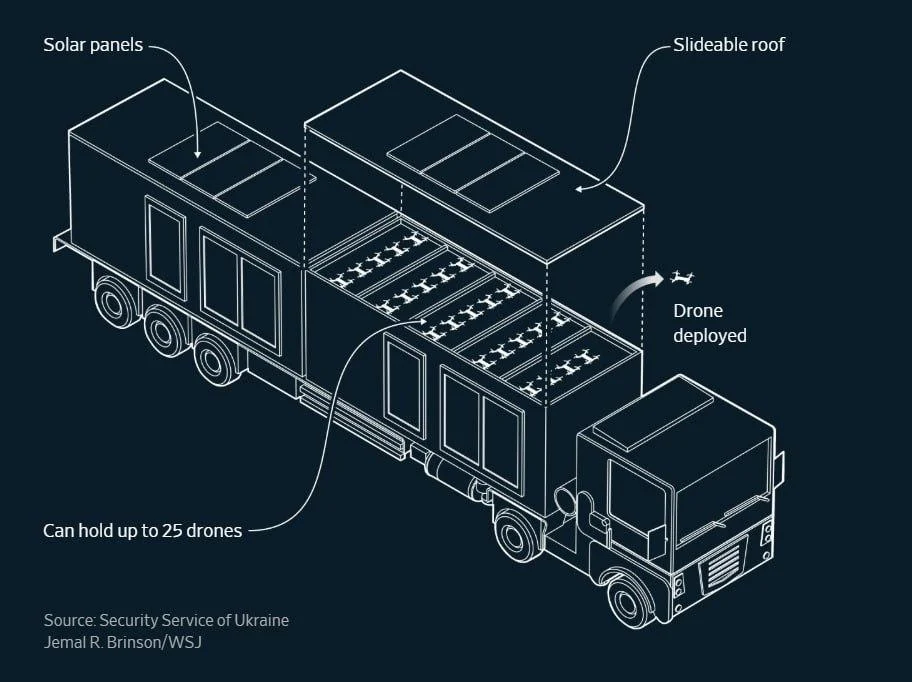
The SBU created a complex logistical system to deliver to Russia a hundred drones and eight special prefabricated cabins disguised as houses. They were smuggled across the border, taking advantage of corruption schemes by Russian customs officials. The parts were assembled already on the territory of the Russian Federation - Timofeev and his wife were in charge of this.
The cabins were equipped with solar panels and batteries, the drones with communication systems, which allowed them to be controlled from Kiev. Only a few people knew the whole picture of the operation.
Five trucks set off in different directions across Russia in late May. On June 1, more than 100 drones simultaneously took off from there and attacked four Russian airfields. Within an hour, Ukrainian operators had destroyed or disabled dozens of planes. According to SBU estimates - 41 aircraft were shot down or damaged, more than a dozen were destroyed.
Timofeevs - the family that became the center of the operation
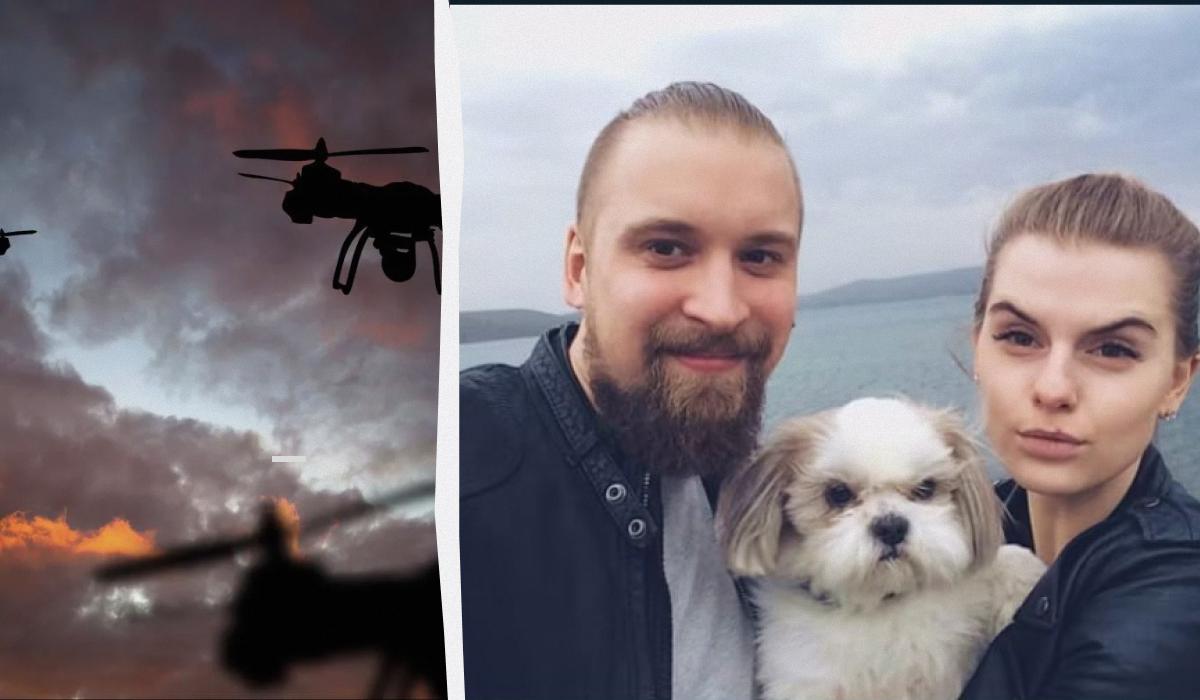
Artyom and Ekaterina Timofeevs are Ukrainians who moved to Russia after the 2014 economic crisis. They were fluent in the language and had Russian passports, which helped them avoid suspicion. Before the operation, they were taken to Lviv and tested with polygraphs.
In Chelyabinsk, Timofeev set up a logistics company, hired drivers, set up a warehouse and discreetly supervised the deployment of the "Web." The drivers had no idea what they were transporting.
Fleeing and the aftermath
After the attack, Russian authorities put Timofeev on the wanted list - but it was too late. Days before the operation, he and Ekaterina had crossed the border into Kazakhstan under the guise of traveling, taking only their most valuable possessions - including a Scottish straight-eared cat and a Shih Tzu dog.

Bank's name: Bank Millennium S.A.
Address: ul. Stanislawa Zaryna, 2A, 02-593, Warszawa
IBAN: PL97116022020000000216711123
SWIFT: BIGBPLPW
Name of the account holder: Fundacja “KARTA ‘97”
Purpose/title of payment: Donation for statuary aims
You can contact us by the e-mail charter97@gmail.com