U.S. To Spend $800 Million To Support Ukraine Over Next Two Years
3- 8.12.2025, 8:46
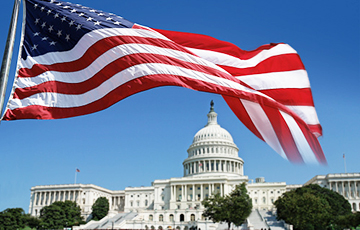
U.S. lawmakers have unveiled the final text of the defense policy bill.
On Sunday, December 7, US lawmakers unveiled the final text of a defense policy bill that provides for record spending on national security, as well as aid to Ukraine.
It was reported by Reuters and Fox News.
The bill provides for $901 billion in military spending for fiscal year 2026, according to media reports. That's $8 billion more than what U.S. President Donald Trump requested in May of this year.
The document also provides for aid to Ukraine.
"The bill extends funding for the Ukraine Security Assistance Initiative at $400 million a year for fiscal years 2026 and 2027," Fox News writes.
In addition, the U.S. Congress will require more frequent reporting of allied contributions to Ukraine to track how European partners are supporting Kiev.
Republican media also point out that the document would impose an obligation on the Pentagon chief to report to the U.S. House of Representatives and the Congressional Senate on the suspension or termination of intelligence provided to Ukraine.
Republican leadership aides say the House of Representatives will vote on the bill in the coming days.
"This legislation includes important provisions passed by the House of Representatives that will ensure our military remains the world's deadliest and can out do any adversary," House Speaker Mike Johnson said.
He added that the document would further Trump's agenda by "ending the Pentagon's woke ideology, securing the border, revitalizing the defense industrial base, and revitalizing the military ethic."
The massive 3,000-page document calls for a 4 percent pay raise for military personnel, but does not include a bipartisan effort to boost housing, which some lawmakers wanted included in the final version of the bill.
In addition to the document's typical provisions to buy military equipment and increase competitiveness with countries like China and Russia, the bill focuses on cutting programs that Trump has criticized. Among those are diversity, equality and inclusion initiatives.
In addition, the bill would repeal the 1991 and 2002 AUMF executive orders that authorized the U.S. to expel Saddam Hussein from Kuwait and authorized the 2003 invasion of Iraq. Lawmakers from both parties have been pushing for years to repeal those authorizations, arguing that they were no longer needed after the Hussein regime was toppled.

Bank's name: Bank Millennium S.A.
Address: ul. Stanislawa Zaryna, 2A, 02-593, Warszawa
IBAN: PL97116022020000000216711123
SWIFT: BIGBPLPW
Name of the account holder: Fundacja “KARTA ‘97”
Purpose/title of payment: Donation for statuary aims
You can contact us by the e-mail charter97@gmail.com