


Regime's Plans Regarding BelNPP Fated To Fail
26- 10.02.2025, 13:41
- 23,562
The Baltic states have said goodbye to BRELL.
On 8 February 2024, the Baltic States finally left the BRELL energy ring that unites Belarus, Russia and the Baltic States into a single energy system. This massive event is called the ‘energy break’, and it will completely change the situation in the region.
The Baltic states decided to disconnect from the Moscow-controlled system back in 2018. After Russia's invasion of Ukraine, the process accelerated, and in February 2025, Lithuania, Latvia and Estonia will be connected to the European grid.
Euroradio reports on what BRELL is, where the electricity will now come from in the Baltic States and what the long-lasting consequences for the BELNPP will follow.
What is BRELL?
The BRELL power ring (Belarus, Russia, Estonia, Latvia, Lithuania) has been operating since 2001. It united the power grids of these countries, allowed to maintain a stable frequency and helped in case of accidents. However, the system was controlled from Moscow, which made the small European countries energy dependent.
How will the Baltic States be Supplied with Electricity?
After leaving BRELL, the Baltic States will operate through the LitPol Link system, a transmission line between Lithuania and Poland. An additional Harmony Link project will also be used, which will provide a link to the European energy market.
How does the BelNPP Come into the Picture?
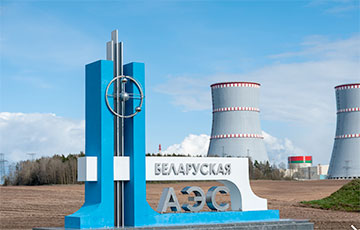
The Belarusian authorities hoped to sell electricity from their nuclear power plant to Lithuania and Latvia. From the very beginning, Lithuania opposed the Belarusian nuclear power plant, considering it unsafe.
After the Baltic states were disconnected from BRELL, the physical possibility to supply BelNPP electricity to Europe disappeared. In recent years, 16 power lines connecting these countries to Russia and Belarus have been dismantled, including submarine cables in the Baltic Sea. In order to start the export, technical solutions, infrastructural changes, and, most importantly, the political will of the EU will be needed, which is impossible without the change of regime in Belarus.
The BelNPP generates a surplus of electricity, but there is no one to sell it to. At the moment, Belarus does not supply electricity to Ukraine. Moreover, Ukraine was planning to conduct a test disconnection from the power grids of Russia and Belarus to prepare for synchronising with the European energy system. The war has forced this to be done in emergency mode.
Russia and Belarus will be left with surplus electricity on their own. Previously, surplus electricity was redistributed in the BRELL system; now this mechanism is not working.
It is obvious that Lukashenka's regime needs to look for new partners. One of the options is to sell electricity to Russia or try to negotiate with China, which will not be easy. The infrastructure and transmission lines will have to be built over huge distances.
How does Belarus React?
Official Minsk has a negative perception of the Baltic States' withdrawal from BRELL. Belarusian and Russian propaganda scares residents with the consequences of being disconnected from the Russian energy system. State media say that ‘the Baltic States will turn into a black hole in Europe’ and will be left without light as soon as the first accident occurs.
However, experts believe that leaving BRELL will increase the energy security of the region. According to official forecasts, the increase in electricity prices for Baltic residents will not exceed 5 per cent.

Bank's name: Bank Millennium S.A.
Address: ul. Stanislawa Zaryna, 2A, 02-593, Warszawa
IBAN: PL97116022020000000216711123
SWIFT: BIGBPLPW
Name of the account holder: Fundacja “KARTA ‘97”
Purpose/title of payment: Donation for statuary aims
You can contact us by the e-mail charter97@gmail.com