

CNN: Conflict Is Brewing Between Iran And Russia
18- 10.08.2025, 8:45
- 25,902
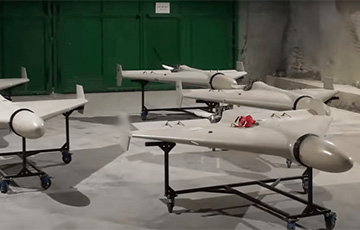
Moscow has deceived an ally.
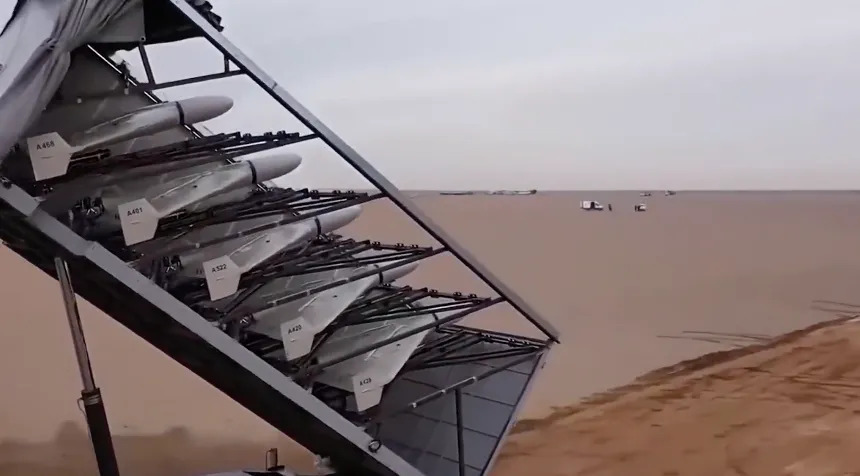
Russia has built the country's largest factory to produce Iranian Shahed-type drones. Now Moscow has left Tehran without control over production, developing its own drone technology.
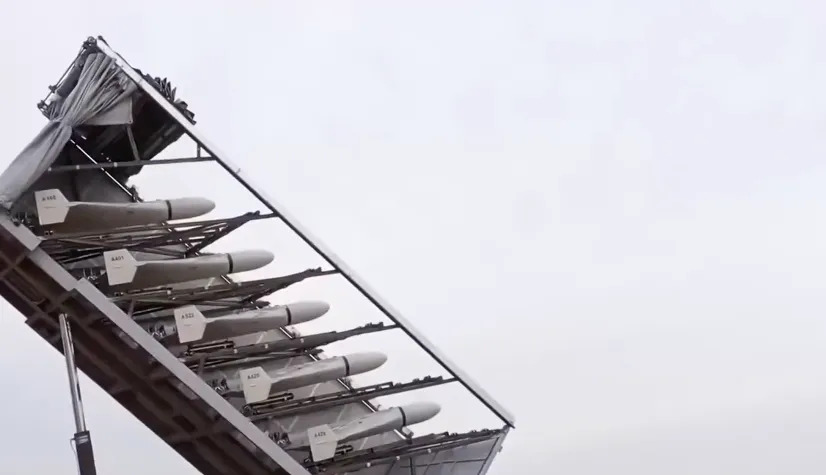
This is reported by CNN. The plant in question is the Alabuga plant, 600 miles east of Moscow in Tatarstan. A growing number of Iranian Shahed-136 attack drones (known in Russia as Geraniums) are being produced there, but the man behind the facility believes it could be one of his greatest achievements.
"This is a completely finished facility," said General Director Timur Shagivaleev in a documentary about Russia's largest drone factory, explaining that most of the components for the drone are now made locally. "Aluminum rods come in, engines are made from them; microelectronics are made from electrical chips; fuselages are made from carbon fiber and fiberglass - it's a completely finished object."
A Russian journalist in the same film remarked that this is "finally something no one else has." Analysts believe that about 90% of Shahed-136 production now takes place in Russia, indicating that Iranian technology is deeply integrated into the Russian military-industrial system.
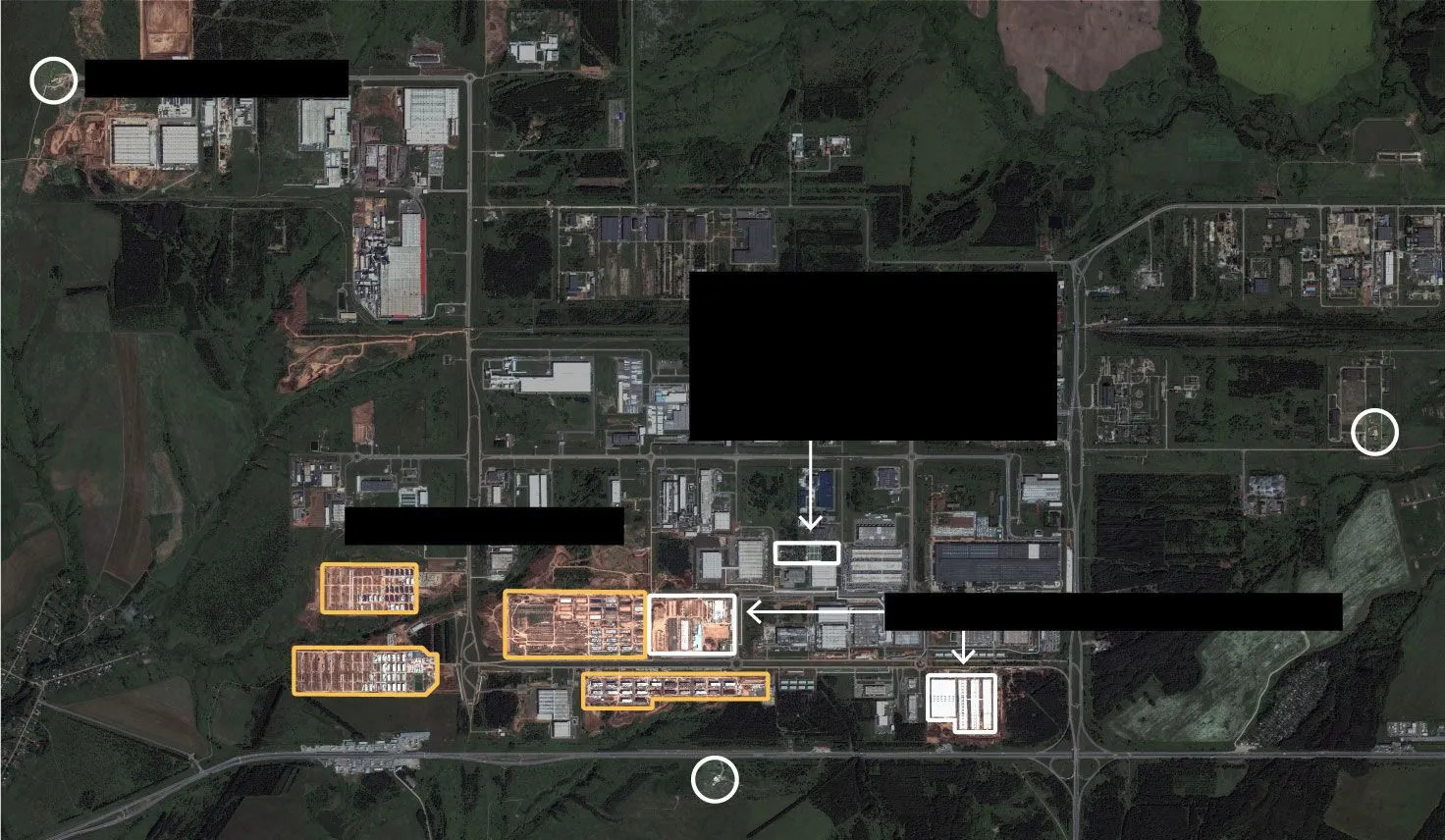
Bearing this in mind, satellite images from July 12, 2025 show the Alabuga facility continuing to expand, with new production facilities, several new warehouses, and dormitories for workers, which will allow it to exponentially increase production. They also spotted three air defense positions there to protect the facility from attacks.
Analysts spoken to by CNN believe this growth will allow Russia to potentially export an updated and battle-tested version of the drone it originally imported from Iran, perhaps even to Tehran itself.
A conflict is brewing between Iran and Russia
At the same time, Western sources are reporting a breakdown in cooperation between Moscow and Tehran. The Iranian leadership is unhappy that Russia is not fulfilling all its commitments and limiting support not only to UAVs but also to missiles and other assets, despite its own military problems and sanctions.
This discontent actually raged during Israel's 12-day bombing campaign against Iran's nuclear weapons program in June, during which Russia's statements of condemnation were seen as paltry support for a country that has been helping Moscow since the start of its full-scale invasion of Ukraine.
"Iran may have expected Russia to do more or take more steps without being obliged to. They may not intervene militarily, but they may step up operational support, particularly with arms supply, technological support, intelligence sharing, etc.," the expert said.
Russia's distant approach, however, came as no surprise to a Western intelligence official CNN spoke to, who claimed it demonstrated the "purely transactional and utilitarian nature" of Russian cooperation with Iran.
"This apparent disengagement demonstrates that Russia never intervenes beyond its immediate interests, even when a partner - in this case an important drone supplier - is under attack," the experts said.
What is known about the strategic partnership between Russia and Iran
After launching a full-scale invasion of Ukraine in February 2022, Russia began purchasing Shahed attack drones from Iran. Already in early 2023, the parties signed a $1.75 billion contract to organize production of the drones on Russian territory.
The plan called for the production of 6,000 devices by September 2025, but that number was assembled almost a year earlier. According to the Ukrainian Defense Ministry, the Alabuga plant is now producing more than 5,500 drones monthly, and doing so more efficiently and more cheaply than before.
Ukrainian intelligence reported that in 2022, one drone cost Russia an average of $200,000, and in 2025 - about $70 thousand.The drones were also modernized: they received improved communications, longer-lasting batteries and more powerful warheads, which makes them more difficult to intercept.
Western intelligence estimates that Iran initially approved the localization of about 90% of Shahed-136 production in Russia, but the modernization and full integration of the development into the Russian military-industrial complex came as a surprise to Tehran. This led to Iran's gradual loss of control over the end product, which is now predominantly made in Russia.
"This evolution marks Iran's gradual loss of control over the end product, which is now largely produced locally and independently," the source explained. They added that Moscow's ultimate goal is to "fully master the production cycle and free itself from future negotiations with Tehran."...
Analyst Ali Akbar Dareini describes Moscow-Tehran relations as a combination of cooperation and competition, emphasizing that the Russian side seeks to get more while giving up the minimum. According to him, Iran has provided Russia with drones, technology and a production base not for free, but is not getting the full return.
In the process of expansion, sources say Alabuga has failed to fulfill its obligations to its Iranian partners. In addition to losing control of the final product, Iranian authorities and companies, particularly Sahara Thunder, have complained that some payments have not been made, in part because of the stifling international sanctions under which the Russian economy has been under for more than three years.
An additional source of discontent has been the blocking of the transfer to Iran of Russian aeronautical technology promised as part of a military-technical agreement. CNN reports that it has requested a comment from Alabuga management, but there has been no response yet.
Iran has withdrawn from the international sphere since the military conflict with Israel
The ceasefire between Israel and Iran has caused Tehran to largely step back from the international sphere to regroup, reorganize and rebuild what was destroyed during the conflict. And in addition to the well-publicized damage to Iran's nuclear facilities, Israel has attacked several other Iranian sites.
With this as a backdrop, former UN inspector David Albright believes the expansion of Russia's Alabuga plant could pave the way for the shipment of upgraded Shahed drones back to Iran. He noted that after destroying some of Iran's production facilities and heavy use of drones, the country needs to replenish its stockpile quickly.
"Some [Iranian] drone production facilities have been bombed and they've produced a lot of [drones], so to build up the stockpile, they could do that," Albright said. "And then Iran could reverse engineer or get the technology to produce better quality Shahed. I think that's very dangerous."
It's also possible that other military hardware could be reaching Tehran. Open-source flight tracking data show that a Gelix Airlines Il-76 military cargo plane flew from Moscow to Tehran on July 11.
The Il-76 is a heavy transport aircraft that is often used by the Russian military to transport troops and military equipment, and Gelix Airlines has been associated with transporting military equipment in the past. The plane spent about three hours on the ground before returning to Moscow.
CNN could not confirm what was on board, but Iranian media reported that it was the last components of Russia's S-400 air defense system.
These latest developments underscore Dareini's core belief about the relationship between the two countries: while there may be tensions, in the end Iran will also benefit from the partnership.
"Iran has received and very likely will receive everything it needs for its own security. Whether it is military hardware, economic cooperation, technology or whatever it needs," the expert said].

Bank's name: Bank Millennium S.A.
Address: ul. Stanislawa Zaryna, 2A, 02-593, Warszawa
IBAN: PL97116022020000000216711123
SWIFT: BIGBPLPW
Name of the account holder: Fundacja “KARTA ‘97”
Purpose/title of payment: Donation for statuary aims
You can contact us by the e-mail charter97@gmail.com