


The Times: Europe May Hit Russia Where It Hurts
8- 13.08.2025, 10:33
- 9,420
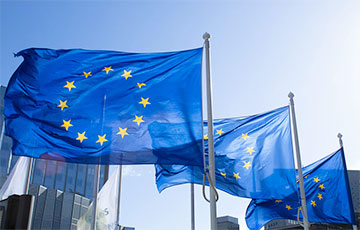
The EU holds trump in its hands.
Russia is in its fourth year of an invasive full-scale war against Ukraine. U.S. President Donald Trump is trying to solve the problem with diplomacy, while Europe holds more than 260 billion euros in frozen Russian assets, which could be a trump card.
The The Times writes that Brussels is funneling interest from those assets to aid Kiev. Meanwhile, Ukraine's president, Vladimir Zelensky, and his supporters are calling for their complete confiscation, which has become a point of contention in Europe and beyond.
The assets were originally mostly in the form of sovereign bonds, but by now they are mostly cash or have been reinvested in securities. The assets are spread across various Western jurisdictions and managed by several clearing houses.
The majority of these funds, some €300 billion, are held in Europe. About 190 million euros are held at the Belgian clearing house Euroclear, and up to 20 billion euros at its French rival Clearstream. That far exceeds the 70 billion euros in private assets belonging to some 2,000 Russian citizens that have been frozen by the sanctions coalition.
Theoretically, each country holding Russian assets could decide to confiscate them and transfer them to a fund for Ukraine. The funds could then be invested more aggressively to generate higher returns and support Kiev.
It is worth noting that Belgium levies a 25 percent tax on the "windfall" profits Euroclear receives from Russian assets, including interest and stock dividends, with the proceeds going into a main European fund to help Ukraine. So far there have been three tranches of payments of about 1.5 billion euros each.
Confiscation is a threat to Europe
There are both legal and political doubts about asset confiscation. Politically, some Western states believe it would be wiser to keep them as a bargaining chip for future cease-fire negotiations or to finance Ukraine's eventual reconstruction. Others, including the European Central Bank, warn that asset confiscation could damage Europe's reputation as a safe place to do business and scare off investors.
The UK government said it had frozen £25 billion worth of Russian Federation assets as of May - the total amount owned by organizations and individuals hit by the sanctions. It is noted that assets belonging to the Central Bank, the National Welfare Fund and the Russian Finance Ministry have been "frozen" separately.
The UK could pass laws legalizing the confiscation of these assets, and there are no forces in place to prevent this, even if it violates international law. But such a move could damage London's international legitimacy.
Yachts and other assets of Russians
European governments have additionally frozen thousands of private assets, including luxury yachts, mansions and sports cars owned by some 2,000 Russian citizens. Many are registered to family members, trusts or shell companies, making it harder to prove ownership.
Private assets have become less important in the overall debate because they are much smaller than state assets, and confiscation of private property is difficult because it requires clear legal grounds linking the assets to criminal activity. Without solid evidence, confiscation will violate property rights that are protected by domestic law and international human rights agreements. Legitimate owners may challenge confiscation in court, leading to lengthy and complex proceedings.

Bank's name: Bank Millennium S.A.
Address: ul. Stanislawa Zaryna, 2A, 02-593, Warszawa
IBAN: PL97116022020000000216711123
SWIFT: BIGBPLPW
Name of the account holder: Fundacja “KARTA ‘97”
Purpose/title of payment: Donation for statuary aims
You can contact us by the e-mail charter97@gmail.com