


Bloomberg: Russia Has Reduced Sabotage Activity In Europe
- 3.08.2025, 9:43
- 5,546
Because of the "amateurishness" of the performers.
In 2025, Western intelligence agencies are recording a marked decrease in the number of sabotage attacks in Europe that are linked to Russia. These include arson, attempts to damage communication cables, cell towers and other acts of sabotage on infrastructure, writes Bloomberg, citing European and American officials.
In the first five months of the year, there were 11 such incidents - compared to more than 30 in all of 2024. This decline in activity may indicate that the Kremlin has begun to rein in its hybrid campaign that previously encompassed Europe, the interlocutors said.
One reason, the sources said, is that Moscow has realized that entrusting subversive activities to random mercenaries and criminal elements is fraught with disruptions, setbacks and even international scandals. Some executors acted inadequately and went beyond their original tasks. There were even cases when "amateur" activists organized arson and attacks in the hope of receiving approval or payment from Russian handlers. As a result, the Kremlin began to demand that the perpetrators record their actions on video - as proof that the task had been completed.
The decline in Russian sabotage activity coincided with new U.S. efforts through diplomatic channels: in late 2024, after a fire at a DHL warehouse in Britain, Washington warned Moscow through closed contacts that attacks on civilian logistics (including cargo flights to the United States) would not be tolerated.
Also, according to Western sources, one reason for the temporary downturn could be Putin's reluctance to irritate Donald Trump, who at the start of his second term favored a quick peace deal on Ukraine. Meanwhile, Russia has reallocated much of its intelligence and sabotage resources from Europe to the Ukrainian front - apparently because of the difficulty of advancing on the battlefield, despite Putin's public statements about a supposed "strategic advantage."
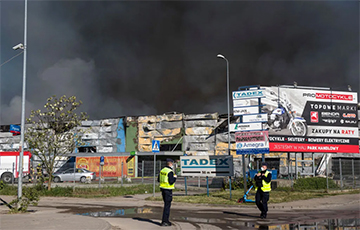
In the meantime, Western intelligence agencies warn: just because there are fewer instances of sabotage does not mean the threat has disappeared. Hybrid attacks continue - especially in Eastern Europe. In July, three British citizens received real sentences for setting fire to a London warehouse that supplied Ukraine with satellite equipment. Polish Prime Minister Donald Tusk directly blamed Russian intelligence services for setting a fire at a major shopping center in Warsaw in 2024. Acts of vandalism, GPS jamming and an attempted assassination attempt on the head of a German defense company were also recorded.
President of Finland Alexander Stubb earlier said that Russia was waging two wars at the same time: conventional - in Ukraine, and hybrid - against Europe, trying to destabilize the situation and break the security system.
Stricter legislation in a number of EU countries, including Britain, has resulted in real and long sentences for involvement in sabotage. This discourages potential "recruits," who previously could be hired for a couple hundred euros without any protection or guarantees. Nevertheless, despite the decline in sabotage, there are still cases of cyberattacks and attempts at classic espionage - and they continue to arrive on the desks of the intelligence services almost daily.

Bank's name: Bank Millennium S.A.
Address: ul. Stanislawa Zaryna, 2A, 02-593, Warszawa
IBAN: PL97116022020000000216711123
SWIFT: BIGBPLPW
Name of the account holder: Fundacja “KARTA ‘97”
Purpose/title of payment: Donation for statuary aims
You can contact us by the e-mail charter97@gmail.com