


Belarusians, Who Live Abroad But Come To Their Homeland, Have Been Summoned To The KGB
39- 1.09.2025, 10:08
- 25,948
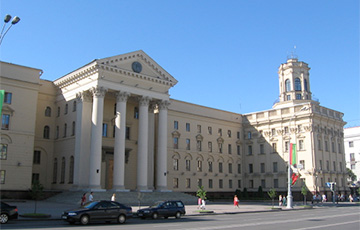
Even those who didn't participate in the protests.
Belarusians, returning home from abroad, began to be summoned for preventive talks. The line has reached even those who did not participate in protests after the presidential elections in Belarus in 2020 and did not criticize the authorities, reports "Deutsche Welle".
What are the law enforcers asking Belarusians?
A resident of Hrodna region told DW that upon her arrival home, she was summoned by phone to the local KGB department for a conversation. "I've been living abroad for a long time, rarely, but I still come to Belarus - to my relatives, for documents," she said. - There were no questions to me at the border, I didn't participate in protests, so I was very surprised when I was summoned.
The interviewee admits that the KGB officer immediately warned: attendance is mandatory, otherwise I'll be prosecuted. During the conversation, according to the woman, she was questioned in detail about what she does abroad, with whom she communicates, whether the local security services tried to recruit her, whether she reads resources banned in Belarus, what communities she subscribes to, how she feels about the current government and why she prefers to live abroad.
Calling the KGB by phone - is it legal?
A Belarusian lawyer explained to DW, under the law "On the Basics of Crime Prevention," a citizen is obliged to appear for such a conversation, and they can be called even by phone or by message in messenger. Failure to appear may result in an administrative case under Article 23.4 of the Administrative Code, which threatens a fine of 2 to 50 basic units (84-2100 rubles, that's 24-600 euros) or administrative arrest.
"During a preventive conversation, a law enforcement officer tells about the public danger of an offense, what consequences it may have, and persuades the person not to break the law," explains the expert. - Usually such conversations are held with citizens who have already committed an offense. But formally, the reason may be a "reason to believe" that a person may break the law.
The lawyer says that the law in Belarus establishes only an approximate duration of preventive conversation - within one hour, but in practice, the conversation may last longer. "During a preventive conversation, you can't conduct interrogation, but there can be a covert operational activity - for example, audio recording of the conversation, it should be taken into account," says the interlocutor. - According to the law, the examination of the phone can be either with the consent of its owner, or by order of the prosecutor. In practice, people, fearing that they may be detained, give their cell phone for examination. Therefore, it is better to take care in advance that the phone does not contain materials that the law enforcement agencies can use for political persecution."
"All my answers were recorded," she continues. - Then an employee asked if I knew what treason was. I replied that I had only heard of it in Soviet movies. Then he read out from a sheet of paper what actions could be considered treason, and what kind of responsibility for this would be threatened. And I had to sign a document saying that all this was explained to me. According to the interlocutor, she had the impression that "the staff was carrying out some kind of prevention plan." "Everything was quite dry and formal," she says.
It is known that Minsk KGB is also summoned for similar conversations, with special attention paid to those who come to Belarus rarely, a few times a year. The topic for conversation is the same - warning about the responsibility for treason. We are talking about Article 356 of the Criminal Code. Treason is understood as "giving away state secrets, espionage, switching to the enemy during the war or other deliberate assistance to a foreign state or organization (or their representatives) in activities aimed at harming the national security of Belarus. The punishment is imprisonment from 7 to 15 years, for officials or law enforcers - from 10 to 20 years, or life imprisonment or the death penalty.

Bank's name: Bank Millennium S.A.
Address: ul. Stanislawa Zaryna, 2A, 02-593, Warszawa
IBAN: PL97116022020000000216711123
SWIFT: BIGBPLPW
Name of the account holder: Fundacja “KARTA ‘97”
Purpose/title of payment: Donation for statuary aims
You can contact us by the e-mail charter97@gmail.com