
The Kremlin's "shadow" Tanker Fleet Has Begun Delaying Wages
2- 1.09.2025, 18:53
- 6,804
Details.
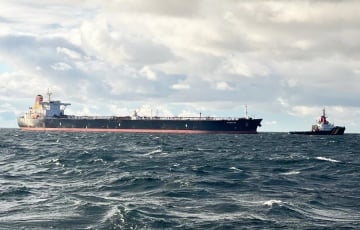
The Lesotho-flagged tanker Unity, part of the Kremlin's "shadow" fleet, was detained in the port of Murmansk. The reason was the appeal of the Russian Seafarers' Union, which told about the crew's complaints about wage debts, non-working satellite communications and serious violations in the ship's documentation. The port control inspection refused to let Unity go until the discrepancies were eliminated and liabilities were paid. As of August 13, the total amount owed to 20 seafarers was 4.9 million rubles and $28,500, reports The Moscow Times.
The seafarers reported that one part of the crew works under contracts with Argo Tanker Group LLC, which is not the shipowner, and the other with FMTC ShipCharter LLC. Moreover, some contracts contain references to a collective agreement with the Russian Seafarers' Trade Union, which was not actually concluded. Until August 2025, the tanker sailed under the flag of Gambia. Due to the change of registration to Lesotho, the seafarers had fears that their contracts were no longer valid and they would not be able to apply to the mutual insurance club (P& I) if the shipowner was unable to pay wage debts.
The Agro Tanker Group's office is located in Moscow City, and it is owned by ATG Holding JSC and is engaged in fuel sales, according to SPARK data. The company has been under US sanctions since January. The tanker Unity transports Russian oil at a price above the established ceiling. In 2025, the ship came under sanctions from the UK, the European Union, Australia, Canada and Switzerland as part of Russia's "shadow fleet".
In the meantime, overall wage arrears are growing in Russia. According to Rosstat, by the end of July, this amount jumped twice year-on-year, increasing from 523 million rubles to 1.04 billion rubles. The Federation of Independent Trade Unions of Russia (FNPR) cited a figure of 1.7 billion rubles (+25% year-on-year). According to the organization, the number of employees at risk of dismissal also increased by 1.5 times and the number of idle jobs by a third.
The main reason for the growth of wage debts in the FNPR called the high key rate of the Central Bank, which hits the ability of enterprises to borrow for operating expenses, and a multiple reduction in the volume of orders.

Bank's name: Bank Millennium S.A.
Address: ul. Stanislawa Zaryna, 2A, 02-593, Warszawa
IBAN: PL97116022020000000216711123
SWIFT: BIGBPLPW
Name of the account holder: Fundacja “KARTA ‘97”
Purpose/title of payment: Donation for statuary aims
You can contact us by the e-mail charter97@gmail.com