
FT: US To Increase Pressure On India And China For Funding Putin's War Machine
4- 12.09.2025, 8:21
- 2,910
This should tempt Moscow to negotiate with Ukraine.
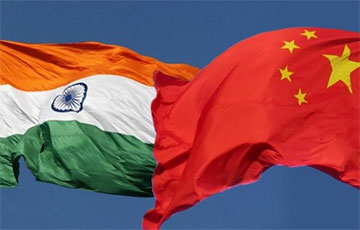
The US is urging G7 countries to force India and China to impose higher tariffs on the purchase of Russian oil. This should tempt Moscow to negotiate with Ukraine.
This is reported by Financial Times.
It is noted that during a video call on Friday, finance ministers of the Group of Seven (G7) leading economies will discuss the US proposal for a new package of measures while Donald Trump steps up efforts to broker a peace deal in Ukraine.
This week, the US president called on the EU to impose tariffs of up to 100% against India and China, but is now expanding the initiative to G7 allies.
A US Treasury Department spokesman said "Chinese and Indian purchases of Russian oil are funding Putin's war machine and continuing the senseless murder of the Ukrainian people."
"Earlier this week, we made it clear to our European allies that if they are serious about ending the war in their region, they must join us in imposing high tariffs that will be lifted the day the war ends," he said.
The U.S. Treasury Department spokesman added that "President Trump's Peace and Prosperity Administration is ready, and our G7 partners need to act with us."
He declined to name the specific size of the planned tariffs, but FT sources familiar with the situation said the US was proposing a volume between 50% and 100%.
It's complicated with China
FT recalled that in August, the US raised tariffs on imports from India to 50% because of Russian oil purchases. In April, Trump sharply raised tariffs on imports from China, but lowered them in May after strong market backlash.
EU officials realize that imposing such high tariffs against two key trading partners will be difficult because of the economic consequences and the likely backlash from Beijing.
But Brussels hopes to conclude a trade agreement with New Delhi within weeks in an attempt to forge closer ties with India.
The EU hopes to convince the US that it is possible to achieve similar pressure with other measures, such as tougher sanctions against Russian energy producers and postponing until 2027 the deadline by which Commonwealth member states must stop buying Russian oil and gas.
Three European officials said this was Trump's way of trying to pressure Hungary and Slovakia, two countries with pro-Russian leaders who continue to buy Russian oil and have previously vetoed tougher EU sanctions.
At the same time, the FT noted that Brussels is already discussing the possibility of sanctions against China for buying cheap Russian oil and gas.
Liquefied Natural Gas and Canada
EU Energy Commissioner Dan Jorgensen met with U.S. Energy Secretary Chris Wright on Thursday to discuss replacing Russian liquefied natural gas with U.S. gas.
"We should get rid as soon as possible of the dependence we still have ... on Russian energy resources," he said.
The EU still buys about a fifth of its gas from Russia, compared with 45 percent before the full-scale invasion of Ukraine in 2022.
Canada, which holds the G7 presidency and hosted the group's last summit in Alberta in June said it had called the meeting "following discussions with the United States."
It said the meeting "will discuss further measures to increase pressure on Russia and limit its military machine."
"The G7 is strongly opposed to Russia's illegal and unjustified war," said a spokesman for Canadian Finance Minister John Fragos.
A Canadian government official, on condition of anonymity, told the publication that the talks would include proposals for "tariffs on countries that continue to finance Russia's war machine."
FT noted that Ottawa also faces a dilemma over such a move.
In June, Canadian Prime Minister Mark Carney began the process of restoring relations with India after a two-year gap.
Similar moves have been made toward Beijing as Canada diversifies its economy, easing its dependence on the United States.
Trump's "energy" sanctions
In July, US President Donald Trump did not rule out imposing 100 percent secondary sanctions on countries that buy Russian energy.
The restrictions were to go into effect if Russian dictator Vladimir Putin reneges on a peace deal with Ukraine.

Bank's name: Bank Millennium S.A.
Address: ul. Stanislawa Zaryna, 2A, 02-593, Warszawa
IBAN: PL97116022020000000216711123
SWIFT: BIGBPLPW
Name of the account holder: Fundacja “KARTA ‘97”
Purpose/title of payment: Donation for statuary aims
You can contact us by the e-mail charter97@gmail.com