

ISW: Ukrainian Strikes On Russian Refineries Have Two Consequences
- 17.09.2025, 9:42
- 4,670
Analysts have assessed the scale of the problems for the Kremlin.
Ukrainian drones continue to carry out long-range strikes against Russian energy facilities. Such operations have two consequences: increasing pressure on the aggressor's ability to finance the war in Ukraine and exacerbating chronic gasoline shortages in the Russian Federation itself and in the occupied territories.
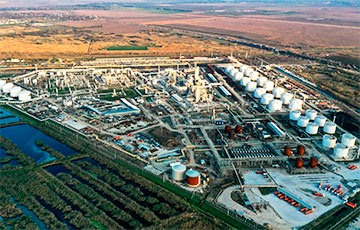
An analysis by Institute for the Study of War (ISW) says. In particular, the latest successful attack by the Special Operations Forces on September 16 hit the Saratov oil refinery, resulting in several explosions and a fire.
Ukrainian long-range strikes continue
The Saratov oil refinery produces gasoline, diesel, fuel oil and other petroleum products, has a capacity of 4.8 million tons and provides fuel for the Russian military. According to Ukraine's General Staff, Russian troops are assessing the damage.
Reuters noted, citing three industry sources, that state-owned Transneft has warned producers of possible production cuts after a series of Ukrainian drone strikes on key export ports and refineries. According to the two sources, Transneft has already restricted unspecified oil companies from storing crude in its own pipeline system and warned that producers would have to hand over smaller volumes of crude in the event of further damage.
Three other Reuters interlocutors noted that the strikes could force Russia, which accounts for about 9 percent of global oil production, to eventually reduce its volumes.
"Reuters noted that Russia lacks significant capacity to stockpile oil reserves, and Russian industry sources said that Russia's refineries and refineries have not been able to keep up with the new drone strikes," the sources said. It is one of Russia's largest refineries, and the fire that broke out after the attack forced authorities to halt its operations.
According to Reuters, the damaged unit accounts for nearly 40 percent of the refinery's total refining capacity, which is about 20 million tons a year. Sources specified that the impact burned the furnace and other equipment, and repairs could take up to a month. In the meantime, the refinery plans to increase the load on other units in order to maintain about 75% of its normal refining volumes.
"ISW continues to assess that Ukraine's ongoing strike campaign targeting critical Russian energy infrastructure, particularly against refineries, is creating an intensifying impact on Russia's ability to finance the war in Ukraine and exacerbating chronic gasoline shortages in Russia and occupied Ukraine," the analysts said.

Bank's name: Bank Millennium S.A.
Address: ul. Stanislawa Zaryna, 2A, 02-593, Warszawa
IBAN: PL97116022020000000216711123
SWIFT: BIGBPLPW
Name of the account holder: Fundacja “KARTA ‘97”
Purpose/title of payment: Donation for statuary aims
You can contact us by the e-mail charter97@gmail.com