

Foreign Affairs: EU Needs Decisive Action
1- 21.09.2025, 12:33
- 1,886
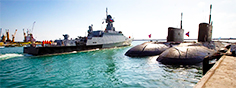
How to raise new money for Europe's defense.
EU leaders recognize the need for a major increase in defense spending, but face difficulties in implementation. Washington requires NATO allies to spend up to 5% of GDP on defense, but it is important for Europe to strengthen security for its own defense, amid declining U.S. support, writes Foreign Affairs (translated by Charter97.org).
The main problem is the fragmentation of the defense industry. Different countries produce different versions of similar equipment, leading to duplication and poor competitiveness. Even the largest European companies - Thales, Leonardo and Rheinmetall - are inferior to American corporations.
The EU is trying to change the situation. The Readiness 2030 initiative envisages mobilization of almost $940 billion, including through borrowing. However, these sums are not enough without industry consolidation. Against the background of growing threats, Europe must use its own financial resources - the private savings of EU residents are estimated at $39 trillion. To turn them into defense potential, reforms are needed - creation of a single capital market and simplification of investment rules.
The image of the defense industry remains a serious barrier. European banks and investors often avoid investing in arms companies due to the pressure of public opinion and obstacles of laws. The European Investment Bank still prohibits direct financing of arms production, although in March it relaxed the rules for dual-use projects.
Experts suggest creating an EU Savings and Investment Union, which would allow capital to move freely across the continent. In parallel, the issue of pan-European "defense bonds" capable of raising up to €800 billion is being discussed. Such a mechanism has already proved effective during the pandemic and could quickly strengthen the defense sector.
Without decisive steps, the EU risks falling further behind in the military sphere. Industry consolidation, new sources of financing and joint projects should be the key to restoring European defense capabilities.

Bank's name: Bank Millennium S.A.
Address: ul. Stanislawa Zaryna, 2A, 02-593, Warszawa
IBAN: PL97116022020000000216711123
SWIFT: BIGBPLPW
Name of the account holder: Fundacja “KARTA ‘97”
Purpose/title of payment: Donation for statuary aims
You can contact us by the e-mail charter97@gmail.com