

Foreign Affairs: Common Case Against Russia Paves The Way For Peace In The South Caucasus
1- 22.09.2025, 14:10
- 1,994
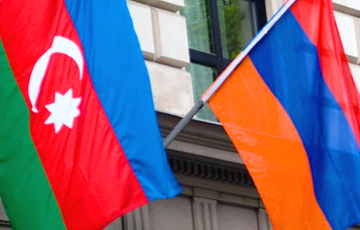
Armenia and Azerbaijan seek to free themselves from Moscow's influence.
On August 8, the presidents of Armenia and Azerbaijan signed a preliminary peace agreement at the White House with the support of the United States. Against the backdrop of decades of conflict and two wars in Nagorno-Karabakh, the event was an unexpected step toward stabilizing the region, writes Foreign Affairs (translated by Charter97.org).
The sides agreed to avoid further armed clashes and initiated a 17-point plan to normalize diplomatic relations. A key element was the opening of a transportation corridor through Armenian territory to connect Azerbaijan with its enclave of Nakhichevan. Control of the route remains with Armenia, and use will provide unimpeded access for Azerbaijan.
The two countries are now seeking to free themselves from the influence of Moscow, which has traditionally been a security guarantor but is losing credibility due to the war in Ukraine and a number of incidents, including the shooting down of an Azerbaijani passenger plane and interference in Armenian politics. This factor has created a unique opportunity for the U.S. to mediate.
Despite the importance of the agreement, it remains fragile. The rights to return refugees and accountability for war crimes are unresolved. Details of the corridor and traffic security also need to be agreed upon.
The success of the agreement depends on active U.S. and EU involvement in financing and building infrastructure, providing diplomatic support, and coordinating with Turkey. If the project succeeds, the South Caucasus could emerge from a longstanding cycle of conflict, establishing a new balance of regional security.

Bank's name: Bank Millennium S.A.
Address: ul. Stanislawa Zaryna, 2A, 02-593, Warszawa
IBAN: PL97116022020000000216711123
SWIFT: BIGBPLPW
Name of the account holder: Fundacja “KARTA ‘97”
Purpose/title of payment: Donation for statuary aims
You can contact us by the e-mail charter97@gmail.com