
FT: Collapse In Oil Revenues Has Putin Cornered
1- 7.09.2025, 14:03
- 7,882
Unpleasant decisions are coming.
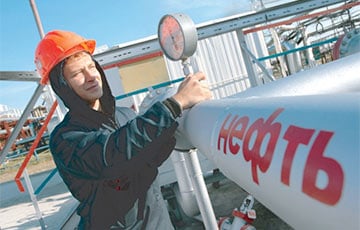
Moscow is forced to cut some non-military spending as early as this month amid collapsing oil and gas revenues and a growing deficit, the Financial Times writes.
Even a brief surge in revenues in July did not save the situation: with a strong ruble, lower oil prices and slowing growth, the hole in the budget is widening.
According to the FT, non-priority items will go under the knife - from unprofitable sanatoriums and soccer clubs to part of infrastructure projects.
Senator Anatoly Artamonov estimated the effect at "up to 2 trillion rubles", the funds are planned to be redirected to "defense and security", but in fact - to war.

Why money is in short supply
War spending has been doubling and even tripling in some months since 2022 - a "risky strategy", the FT's interlocutors admit. Oil and gas revenues collapsed by 20% between January and August, while the deficit for the first half of the year reached 4.9 trillion rubles ($53 billion) (~2.2% of GDP) against a plan of 0.5% of GDP.
The costs to the economy are rising in parallel: staff shortages, cross-border payment failures, accelerated inflation; railroads are overburdened by the "turn to the east," and the coal industry is suffering its biggest losses since the 1990s.
What does the Kremlin want?
At the WEF, Putin said that "Russia can afford" a larger deficit. Siluanov reported that he was preparing "proposals to fill the budget," but in reality there are two pillars: borrowing (the interest burden has fallen since the key rate dropped from 21% to 18%) and the National Wealth Fund.
Half of the National Wealth Fund has already been spent, and some assets abroad have been frozen, so it is more profitable for the authorities to borrow than to eat the rest.
The illusion of "enough money for everything" is over. As Alexandra Prokopenko (of Carnegie) notes, the authorities are now forced to prioritize, and the first to be cut will be civilian spending. In practice, this means poorer regions, frozen projects and growing budget dependence on debt and commodity prices.


Bank's name: Bank Millennium S.A.
Address: ul. Stanislawa Zaryna, 2A, 02-593, Warszawa
IBAN: PL97116022020000000216711123
SWIFT: BIGBPLPW
Name of the account holder: Fundacja “KARTA ‘97”
Purpose/title of payment: Donation for statuary aims
You can contact us by the e-mail charter97@gmail.com