


MAZ Is Being Squeezed Out Of Russia
9- 13.01.2026, 12:31
- 2,984
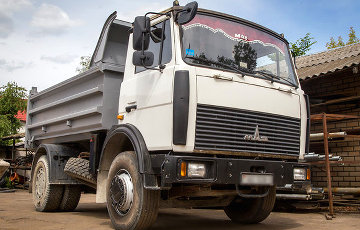
Sales were down 42.8%.
The Russian market turned out to be much less hospitable for MAZ than a year earlier. According to the results of 2025, sales of trucks of Minsk Automobile Plant in Russia decreased by almost half - by 42.8% compared to 2024. In absolute figures, it is 3,274 vehicles sold, which allowed the brand to take only the sixth line of the rating.
At the same time, the fall in MAZ sales was less deep than the collapse of the market as a whole. According to ASM-Holding, sales of trucks of all categories - including special and specialized models - in Russia for the year decreased by 51%, to 61,556 units.
The best in 2025 were domestic manufacturers: sales of new trucks of the Russian market were down 51%, to 61,556 units.
The best in 2025. But the segment of foreign cars experienced a real shock - minus 62%, only 35 thousand units sold. Despite this, the positions of Chinese brands on the market remained extremely strong.
The leader is still KAMAZ, the second place was taken by Chinese SITRAK. Four manufacturers, not related to Russia, were included in the top 5, which clearly showed that attempts to oust Chinese companies from the market did not yield any noticeable result.
A little reason for optimism for MAZ appeared in December. In the last month of the year 415 trucks were sold - the decrease compared to December 2024 amounted to 28.3%, which is noticeably softer than the average annual figures. However, it is still too early to talk about the market turning upward.
In the bus segment the situation looks a bit more stable. MAZ sold 499 buses on the Russian market - only six vehicles less than a year earlier, which corresponds to a decline of about 1%.
Nevertheless, in general, the bus market in Russia in 2025 also fell: sales fell by 35% and amounted to 12.8 thousand units. For Minsk, such figures obviously do not look encouraging, especially in view of the launch of a new bus plant with a capacity of about 3 thousand vehicles per year, for which a higher demand was expected.

Bank's name: Bank Millennium S.A.
Address: ul. Stanislawa Zaryna, 2A, 02-593, Warszawa
IBAN: PL97116022020000000216711123
SWIFT: BIGBPLPW
Name of the account holder: Fundacja “KARTA ‘97”
Purpose/title of payment: Donation for statuary aims
You can contact us by the e-mail charter97@gmail.com