


Three Basic Conditions For Sustainable Peace In Ukraine
- 2.01.2026, 13:21
- 1,056
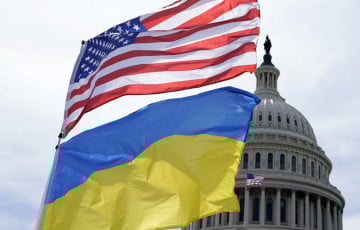
The country's security depends on strength, not promises.
U.S. President Donald Trump's proposed 28-point peace plan for Ukraine has evoked associations with former U.S. President Woodrow Wilson's Fourteen Points, an idealistic program for postwar world order after World War I. However, experts warn that this historical parallel is more disturbing than inspiring, writes Modern Diplomacy (translated by Charter97.org).
According to analysts, the main drawback of such initiatives is the lack of an enforcement mechanism. Peace plans that are not backed by real military force and automatic sanctions for violations risk becoming only a temporary truce. In the case of Ukraine, the problem lies not in the lack of negotiations, but in the structural imbalance of power between Russia and Ukraine.
The experience of the last ten years confirms this. The 1994 Budapest Memorandum, under which Ukraine gave up nuclear weapons in exchange for security guarantees, did not prevent the annexation of Crimea. The Minsk agreements also failed because they did not provide for real accountability for their violation.
Experts emphasize that sustainable peace is possible only if three conditions are met. Ukraine must have sufficient military capacity to deter aggression; Russia must bear the long-term costs that make a new war unprofitable; and any agreements must not perpetuate Kiev's vulnerability, for example through imposed neutrality or territorial concessions.
A successful settlement will not look like a "final peace treaty" but a long-term process based on deterrence and rebalancing of power. Ukraine's integration into Western defense and industrial-military systems plays a key role in this.
Negotiations can stop hostilities, but only force can prevent a new war. History has already shown that peace without real guarantees is an illusion.

Bank's name: Bank Millennium S.A.
Address: ul. Stanislawa Zaryna, 2A, 02-593, Warszawa
IBAN: PL97116022020000000216711123
SWIFT: BIGBPLPW
Name of the account holder: Fundacja “KARTA ‘97”
Purpose/title of payment: Donation for statuary aims
You can contact us by the e-mail charter97@gmail.com