

Pentagon: Contrary To IRGC Claims, Strait Of Hormuz Remains Open
- 3.03.2026, 11:24
- 2,634
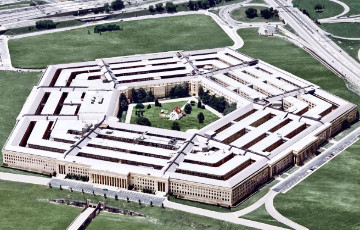
This follows data from U.S. Central Command.
The Strait of Hormuz remains open to civilian shipping despite the Islamic Revolutionary Guard Corps' (IRGC) announcement to close the water route. This follows data from U.S. Central Command (CENTCOM) cited by Fox News correspondent Jennifer Griffin.
"Iran is not patrolling the strait, and so far there are no signs of mines. 80% of their oil goes to China. Mining the strait would damage Iran and its key ally," Griffin wrote on social media X.
Before that, an adviser to IRGC commander Ibrahim Jabari said Iran would "incinerate" all foreign vessels that attempt to pass through the Strait of Hormuz.
Since Feb. 28, when the U.S. and Israel launched a military operation against Iran, Tehran has attacked five oil tankers in the strait flying the flags of the Marshall Islands, Gibraltar, Honduras and the United States.
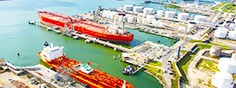
According to data from the MarineTraffic vessel tracking system, there were no tankers in the Strait of Hormuz as of the evening of March 2. At the same time, a cluster of vessels was observed at its entrance - off the UAE coast and between Oman and Iran. In total, more than 250 vessels carrying oil, oil products and LNG were at the roadstead or moving near the waterway. In addition, about 70 bulk carriers and container ships were observed at the entrance to the strait.
Ormuz Strait is the most important energy artery of the planet: about 20% of the world's oil supplies and up to 30% of liquefied natural gas (LNG) pass through it. Before the actual closure of the route by Iran, 200-300 ships a day passed through it, providing supplies of energy resources from the Persian Gulf countries to Asia and Europe.
On the background of statements about the closure of the strait, the cost of Brent crude oil in trading on March 2 rose by 13% and reached $82.37 per barrel - a record value since mid-January 2025. However, it then corrected to $78.1 (+8%). At the same time, the price of gas in Europe jumped more than 50% to 48.85 euros per MWh, or $591.5 per 1,000 cubic meters. The last time gas cost this much was in early February last year.

Bank's name: Bank Millennium S.A.
Address: ul. Stanislawa Zaryna, 2A, 02-593, Warszawa
IBAN: PL97116022020000000216711123
SWIFT: BIGBPLPW
Name of the account holder: Fundacja “KARTA ‘97”
Purpose/title of payment: Donation for statuary aims
You can contact us by the e-mail charter97@gmail.com