

"Give Putin A Paddle In The Face And Take Away China's Oil Donor."
3- 3.03.2026, 14:24
- 6,838

The expert named the probable motives for Trump's actions in Iran.
American journalist and military observer Roman Bochkala said that US President Donald Trump's actions against Iran may pursue several strategic goals at once - from pressure on Russia to weakening China's energy position. Attacks on infrastructure in the region have already affected global energy markets and could be a prologue to a wider confrontation.
The expert analyzed the consequences of attacks on facilities in the Persian Gulf. Roman Bochkala wrote about it in Telegram channel.
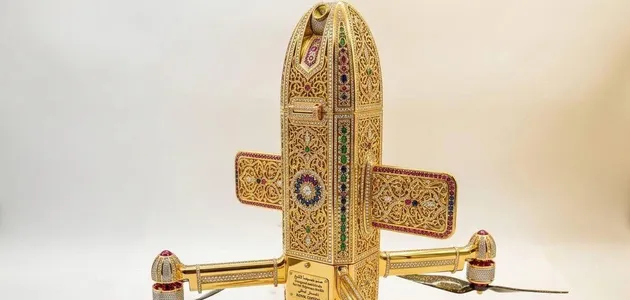
After a drone strike on a major gas facility in Qatar, which provides about a fifth of the world's liquefied natural gas production, gas prices have expectedly risen. Such destabilization has exposed the vulnerability of even the richest states in the region to new methods of warfare.
Val probable motives for Trump's actions in Iran
Bochkala attributes the attacks on Qatar, Kuwait, Bahrain and the UAE not only to religious or ideological contradictions between Shiite Iran and Sunni monarchies, but primarily to a desire to create leverage in the global energy market. Rising oil and gas prices are part of a broader game.
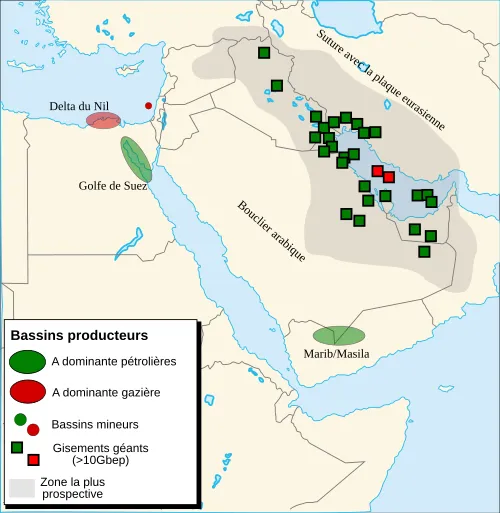
The expert also suggests that in the short term, the Gulf states may demand that the U.S. strengthen its defenses under existing agreements or insist on de-escalation of strikes against Iran. In the longer term, they will have to invest in counter-drone systems, drawing on the experience of modern warfare that Ukraine and Russia now have.
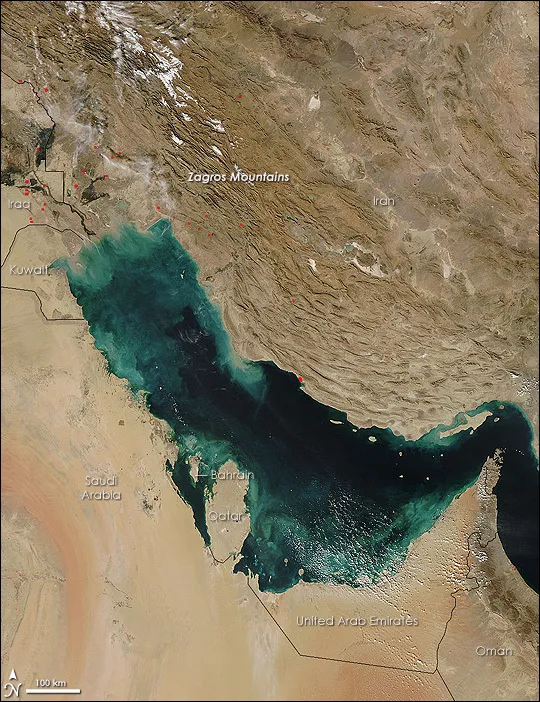
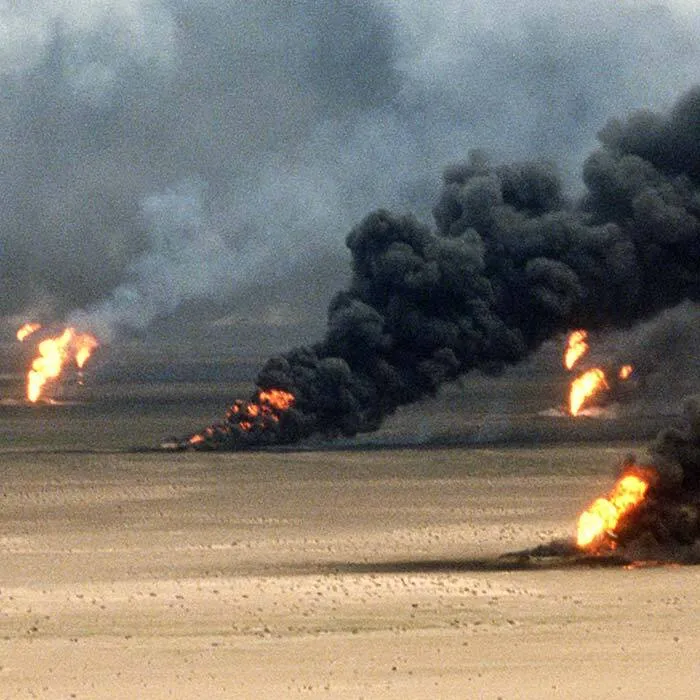
Separately, Bochkala raises the question of the possibility of a ground operation. Despite the controversial experience of the Desert Storm campaign in Iraq, he does not rule out a ground scenario. He cites recent exercises by U.S. Marine units in the region and the potential international legitimization of action in response to Iranian aggression as arguments in favor of this.
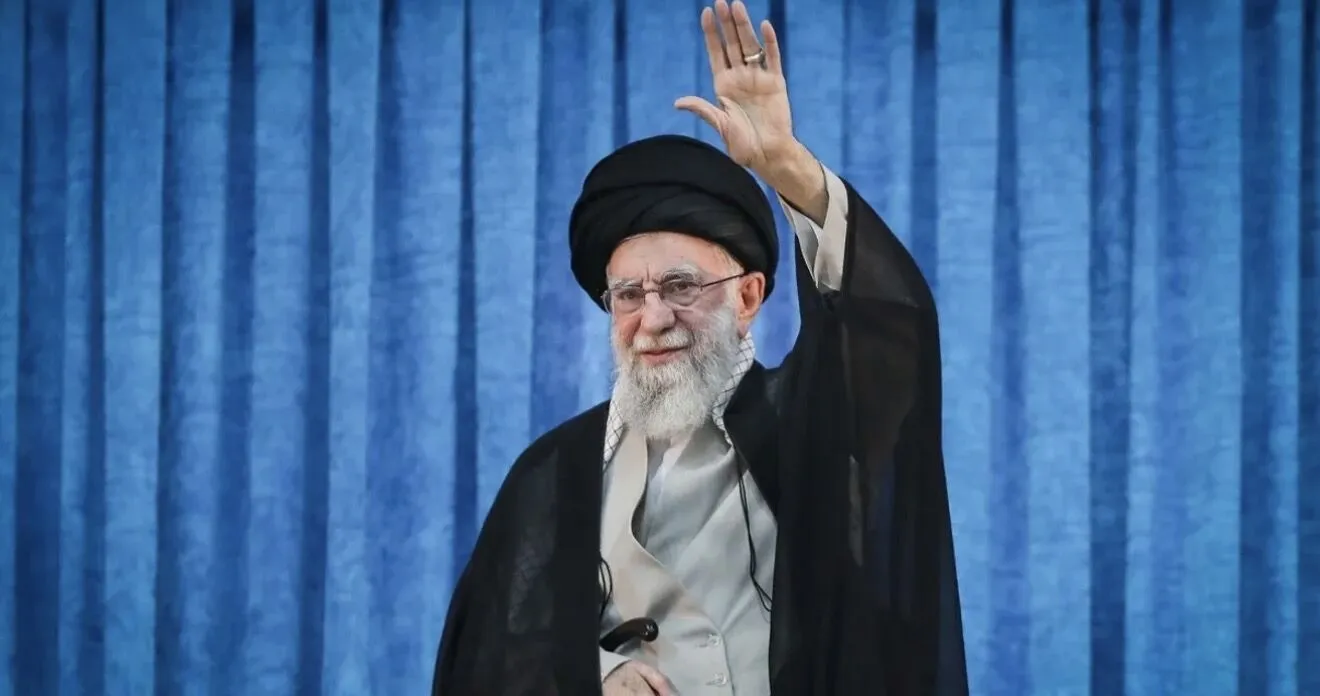
The domestic factor will also be crucial. After the elimination of Iran's supreme leader Ali Khamenei, it is possible that part of society will consolidate around the spiritual leadership, especially given the influence of the Islamic Revolutionary Guard Corps, which has a significant force and mobilization resource.
Bochkala cites among Washington's possible motives an attempt to weaken Moscow's position after it lost allies in the Middle East and Latin America, as well as a blow to the energy interests of Beijing, which buys Iranian oil at reduced prices.
The current escalation could thus go far beyond the regional conflict and become an element of a global redistribution of influence.

Bank's name: Bank Millennium S.A.
Address: ul. Stanislawa Zaryna, 2A, 02-593, Warszawa
IBAN: PL97116022020000000216711123
SWIFT: BIGBPLPW
Name of the account holder: Fundacja “KARTA ‘97”
Purpose/title of payment: Donation for statuary aims
You can contact us by the e-mail charter97@gmail.com