

Lukashenka Regime’s Six Failures In Relations With Iran
4- 24.07.2022, 12:56
- 7,206
How did the attempts of cooperation between Minsk and Tehran end?
The other day, Russian leader Vladimir Putin visited Iran. From the leadership of this country, he heard words of support for the invasion of Ukraine. Representatives of the two states blamed the West for unleashing the conflict.
In addition, Russia's Gazprom and the National Iranian Oil Company NIOC signed a $40 billion deal that includes, among other things, the development of two gas and six oil fields.
In this regard, the question may arise: why is the Lukashenka regime not developing relations with Iran, which also found itself under severe Western sanctions?
The udf website provides an answer, telling how all previous attempts at cooperation between Minsk and Tehran sadly failed.
Extraction and supply of Iranian oil
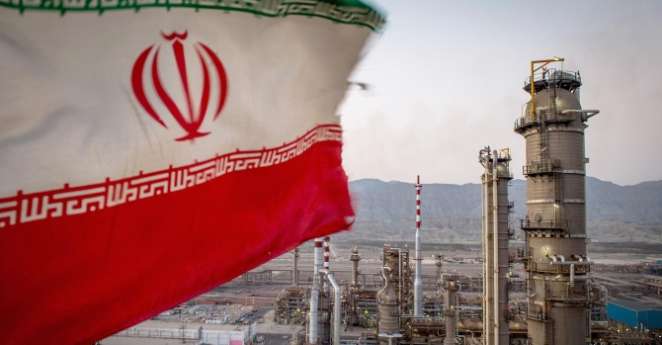
Back in 2007, Aliaksandr Lukashenka said that an agreement had been reached that the Belarusian company would be able to produce oil in Iran. But in practice, it never came to that. In 2013, the project for the development of the Jofeir field by Belorusneft was closed.
In 2016, they again started talking about Iranian oil, this time exclusively in the context of supplies. Two experimental batches even arrived in Belarus. But the logistics made the project too expensive: the raw materials had to be delivered to the ports of Ukraine or Latvia, and transported from there by trains.
Iranian car release
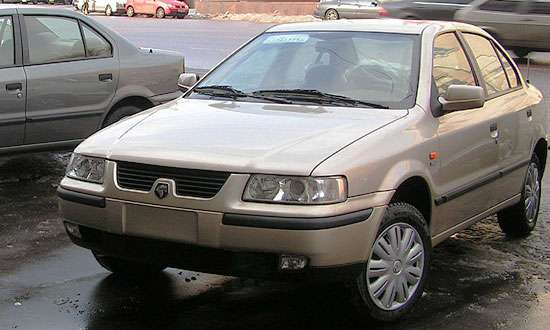
However, the loudest failure was the production of the Samand car in our country. This model in many elements resembled the Peugeot 405, the production of which was discontinued back in 1995.
In 2007, the Belarusian authorities entered into an investment agreement with the Iranian company Iran Khodro. But cars were almost never produced at the facilities of the Unison CJSC near Minsk, their production was discontinued in 2013.
Officially, the reason for the failure was called “a conflict of interests of the main shareholders”.
The construction of the Iranian embassy
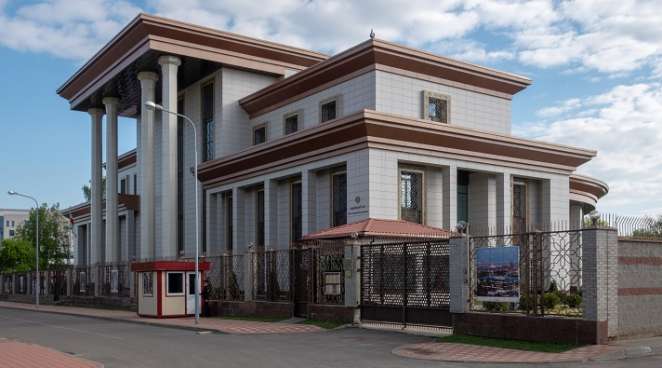
At the peak of relations between Minsk and Tehran, the Belarusian capital decided to build a luxurious Iranian embassy. They began to build it in 2011 and promised to complete the construction in a year. But in practice, it turned out to be a long-term construction — even such a small project was implemented with moans and groans.
A new embassy was opened on the Staravilenski tract only in 2015.
Air communication between Minsk and Tehran
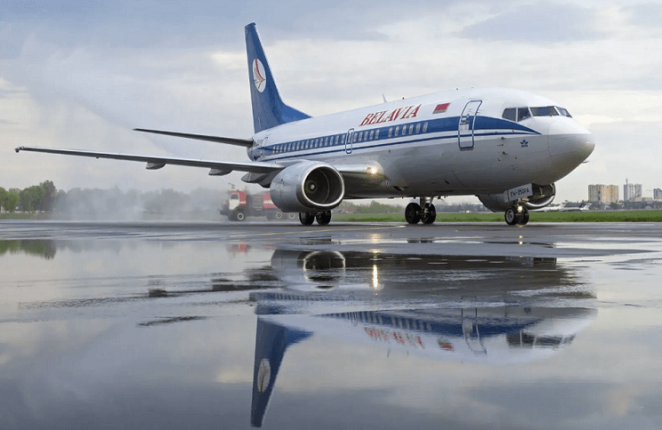
Belavia aircraft began flying to Iran in 2010. Atypical tourists were delighted: it became possible to reach an exotic country in a few hours. But in 2017, air traffic ceased.
A variety of reasons were named: lack of demand and lack of workload of flights, some “technical problems”, Western sanctions.
For about two years now, both sides have been talking about their interest in restoring air traffic, but so far things have not gone beyond words.
The construction of “Magnit”
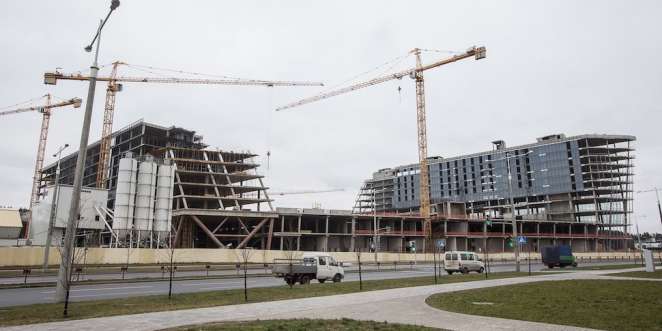
One of the most grandiose Iranian projects in Belarus was approved by Lukashenka, who signed a corresponding decree in 2009. The Kayson company was supposed to build a multifunctional complex “Magnit” at the intersection of Independence Avenue and Kalinouski Street, for 250 million euros.
It was planned that the complex would be erected in 2014. Then the terms were extended several times. In recent years, the Belarusian authorities seemed to be irritated by the long-term construction on Independence Avenue.
At the beginning of this year, Head of the “council of the republic” Natallia Kachanava delivered an ultimatum to the Iranians: if there will be no progress, the object will go to state developers. And on Friday, July 22, Lukashenka instructed to build a Belarusian shopping center on the site of Magnit. In other words, the authorities fulfilled their threat.
Falling turnover

In general, the best way to characterize the relations between the two countries is to look at the trade turnover. Despite the fact that Lukashenka made his first visit to Iran back in 1998, a decade later, the trade between the states amounted to only about $100 million.
In 2009, Lukashenka said: Belarus has identified Iran as its main partner in the region, and mutual trade should be increased to a billion dollars.
And now attention: the trade turnover between Belarus and Iran in 2021 amounted to $33 million. That is, not only did it not grow, but also decreased several times after the task set by the authorities.