

Putin Recruited Schröder And Some German Elites
25- 30.01.2024, 10:22
- 24,494
A sensational book was published in Germany.
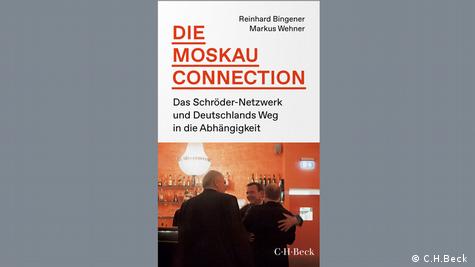
How could Germany fall into such a great gas dependence on Russia and show so much naivety in assessing the Putin regime? This was the largest foreign policy mistake of Germany since its founding in 1949, according to two journalists of the German newspaper Frankfurter Allgemeine Zeitung (FAZ). They wrote a book about who made it and how, which immediately became a bestseller. The C.H.BECK Munich, a reputable German publishing house, published it under the title "The Moscow Connection. The Schröder Network and Germany's Path to Dependency" ("Die Moskau-Connection. Das Schröder-Netzwerk und Deutschlands Weg in die Abhängigkeit"), according to DW.
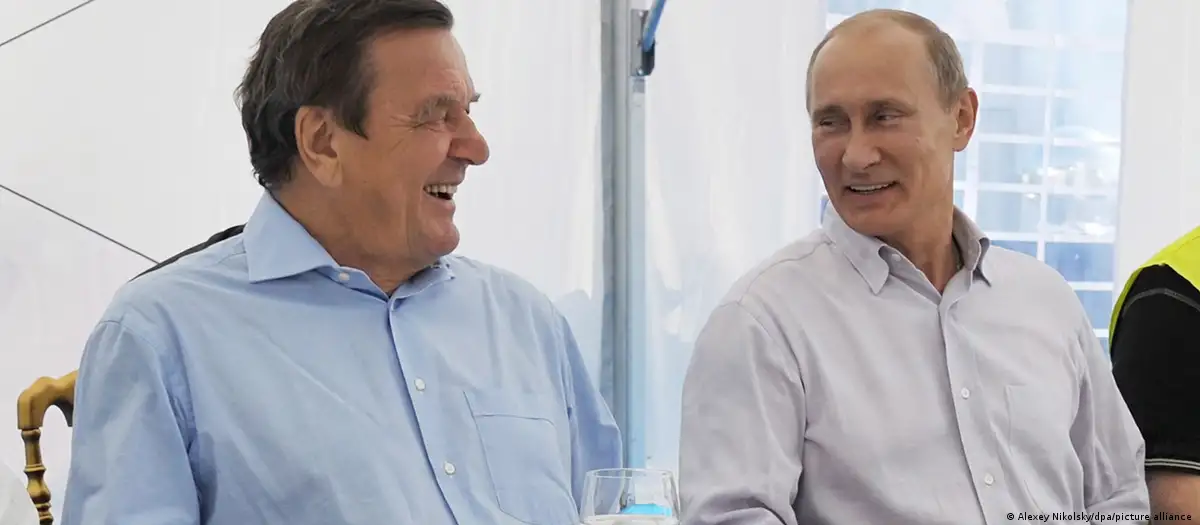
Putin has "people from St. Petersburg", Schroeder has "people from Hanover"
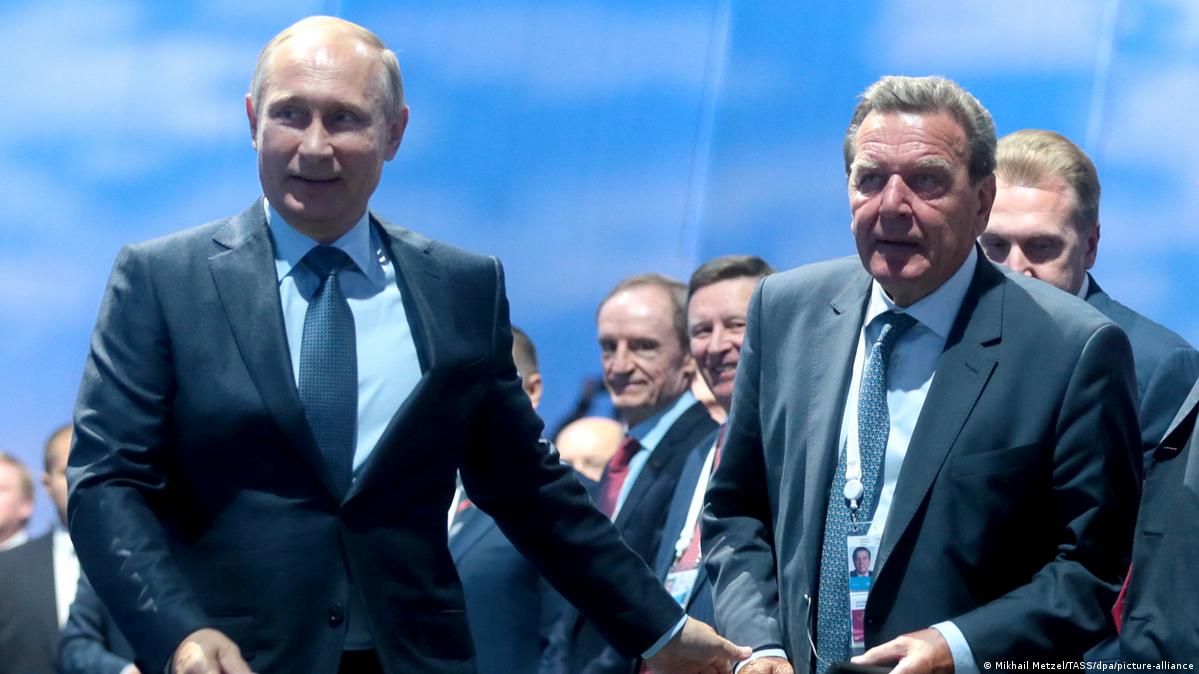
From the subtitle and the photo on the cover, it is immediately clear that the key figure of the book is the former German Chancellor and leader of the German Social Democrats, Gerhard Schröder. The authors described his role in promoting the interests of the Kremlin from two sides. Markus Wehner was the FAZ correspondent in Moscow for five years, since then he has been working in the Berlin office of the newspaper, in 2016 in the book "Putin's Cold War" he strongly warned about the growing aggressiveness of the Russian regime. He developed the topic as an international journalist and as an expert on German politics at the federal level.
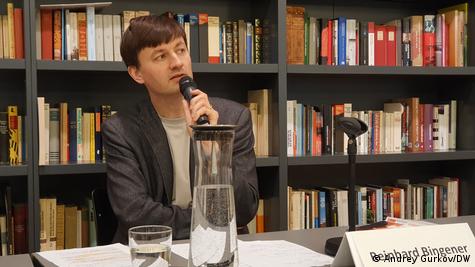
Reinhard Bingener has been working as a correspondent for FAZ in Hanover, the capital of the West German state of Lower Saxony, for almost a decade. It would seem, and here is one of the German regions, when it comes to Putin, geopolitics, Gazprom, the two Nord Streams and the war in Ukraine? The great merit of the book: it showed how great is the role of the entire Social Democratic Party of Germany (SPD), especially its Lower Saxon party organization, in the fact that Putin's Russia has achieved such a significant influence on the politics and economy of Germany in the past two decades.
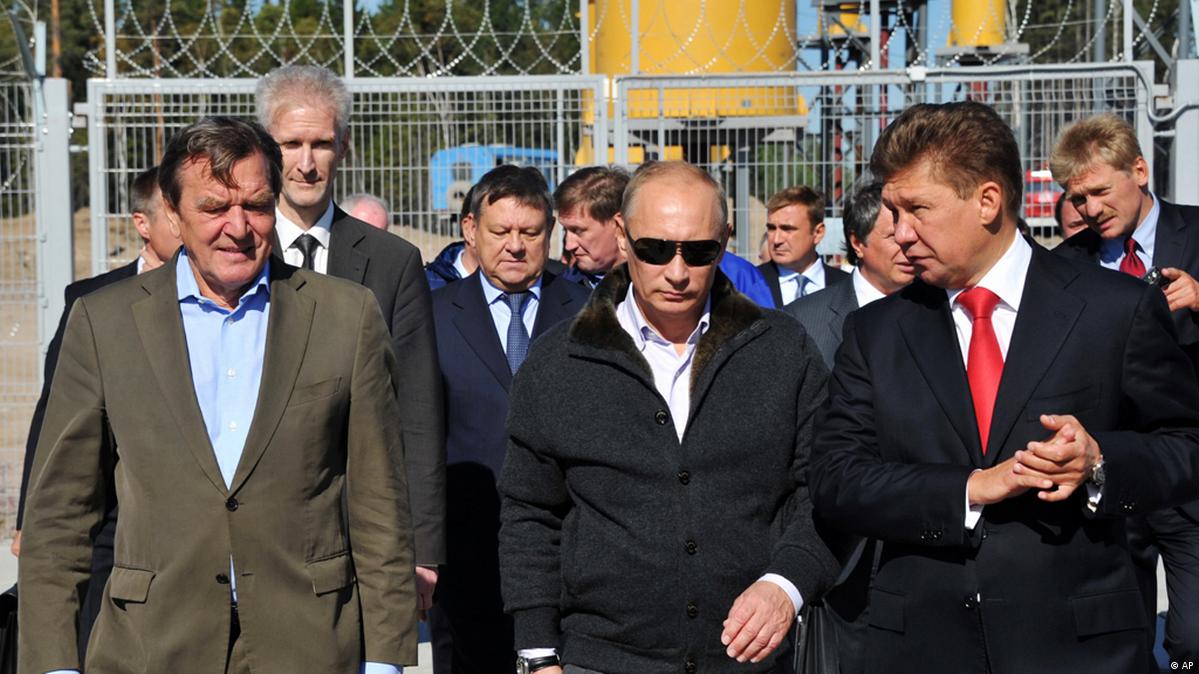
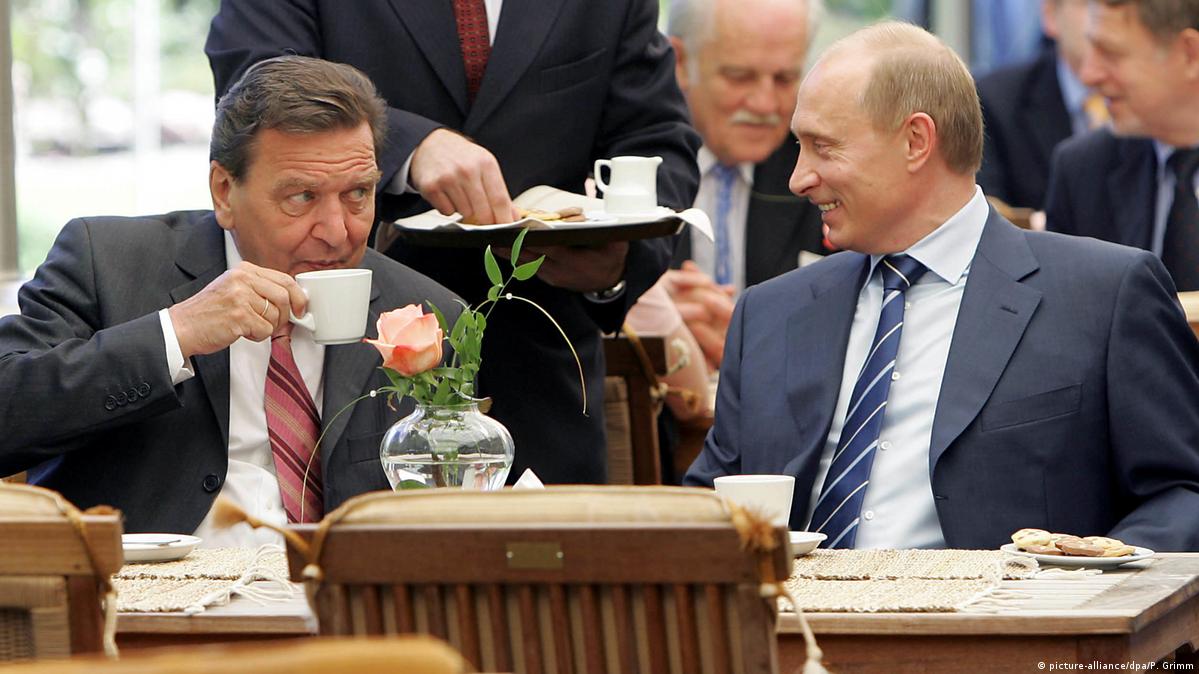
What the "those from St. Petersburg" turned out to be for Putin, the "people from Hanover" became for Schröder. If one had the Ozero co-op, the other had a VIP box at the stadium of the football club Hannover 96, where the unbreakable friendship between the party members gaining power and big businessmen was fixed. “Whether it was Hanover, Berlin or Schwerin, Schröder had his people everywhere. His inner-party power did not end with his chancellorship," the authors of the book emphasize.
Encyclopedia of Russian SPD relations.
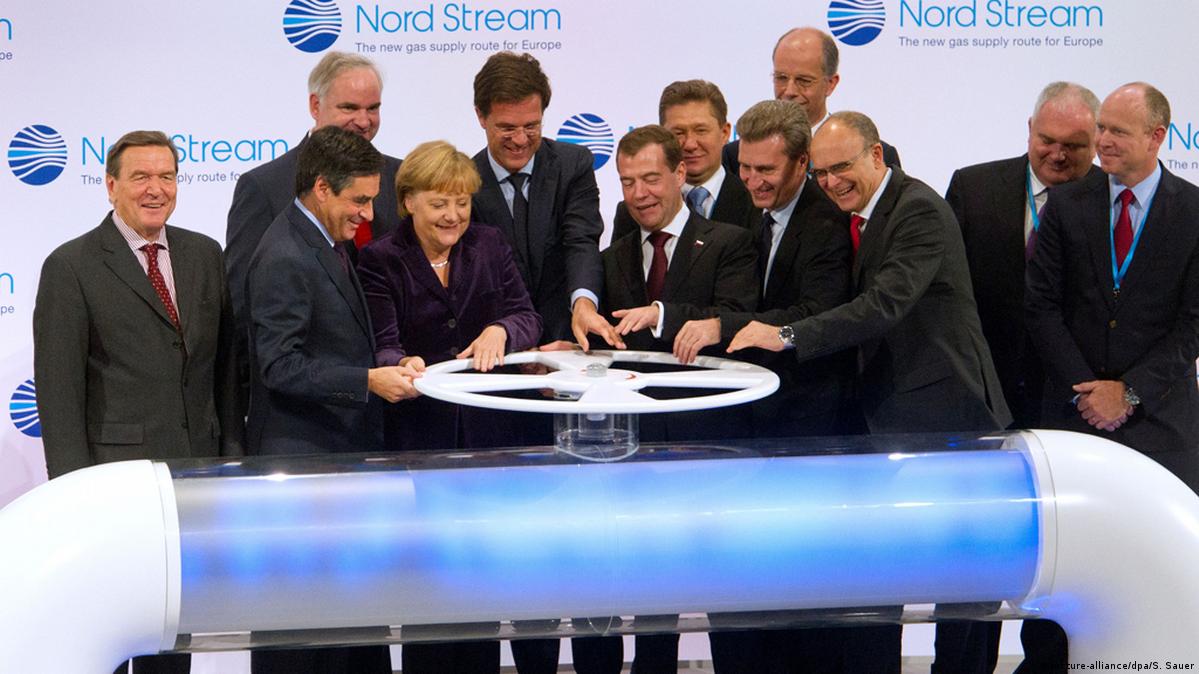
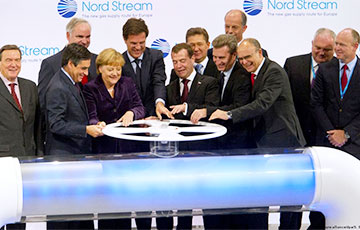
There are no new sensational revelations, the absolute majority of facts were known before - and about how Schroeder promoted numerous Hanoverian comrades to leading party and state posts, how for some of them cooperation with Russia became the business model of their firms, how the leading social democrats held positions in various German-Russian organizations and lobbied for the interests of Russia there, in particular, actively opposing the EU sanctions after 2014, how a fake environmental fund was created in Schwerin, designed to actually ensure the completion of the construction of Nord Stream 2.
However, in the book "The Moscow Connection" literally thousands of disparate facts are methodically collected and systematized for the first time. The result was a kind of "encyclopedia" of Russian contacts with German social democrats. This is such an impressive bunch of information that the Swiss newspaper NZZ in its review suggested: “German readers probably wondered what country they still lived in.”
It was Reinhard Bingener who was responsible for the detailed description of all these "Schröder networks" in the book. He also focused on them at a meeting with readers held in Cologne at the Forum named after Lev Kopelev. The journalist of the conservative FAZ pointed out what is said in the book: a considerable part of the responsibility for mistakes in the energy and foreign policy of Germany is also borne by the parties of the conservative CDU/CSU bloc, led by long-term German Chancellor Angela Merkel. But their role requires a separate study, and in this book the authors focused on the SPD, although they cite a number of examples of pro-Russian statements and actions of German conservatives.
Corruption, anti-Americanism and the cult of "Eastern politics".
The meeting in Cologne was broadcast online, and one of the questions to the journalist was asked in German by a viewer from Ukraine. He asked how to explain the pro-Russian attitude of the German Social Democrats: ideological attitudes, political short-sightedness or corruption.
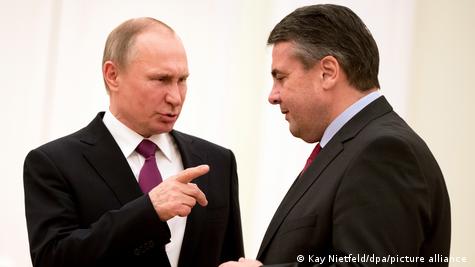
"Everything is usually described by corruption abroad, we in Germany look at it a little differently," replied Reinhard Bingener. Thus, Schröder's political views from an early age are distinguished by "potential anti-Americanism". "Anti-Americanism is deeply rooted in the entire Social Democratic Party," the journalist added. At the same time, the SPD was literally "fixed on Russia" for a long time, which is associated with a sense of guilt for the crimes of the Hitler regime and with the mythologization of the real successes of the Eastern policy of the outstanding party leader Willy Brandt in the 1970s.
As for corruption, Reinhard Bingener continued, it probably took place, but it still needs to be proved, and "here the possibilities of journalists are limited." Moreover, Schröder has repeatedly sued the media in the past. In addition, you can bribe, as shown on many pages of the book, in a variety of ways: offer profitable or honorary positions, give orders to friendly companies, provide them with profitable links, or, for example, donate money to a scientific institute, the head of which will then write a highly laudatory biography of Schröder.
Nobody wants to investigate the past.
A parliamentary commission could shed additional light on the past, which, for example, has the right to demand access to the data of special services, but none of the parties in the Bundestag has the desire to create it, the journalist noted. The Social Democrats and Conservatives do not want it, since they have been in power for a long time in the last two decades and, accordingly, are responsible for fundamental mistakes in relations with Russia. The Greens and Liberals could demand an investigation, but they don't want to destroy the current ruling coalition with the SPD.
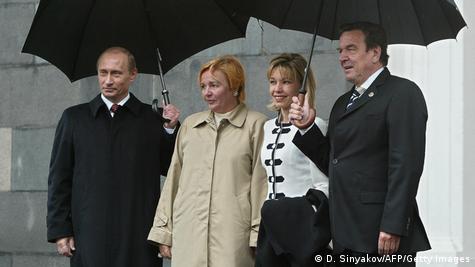
"Putin found the right approach to Schröder, managed to press the right buttons," says Reinhard Bingener. As one example, he cited the mediation of the President of Russia in the adoption by Schröder and his wife Doris of two children from St. Petersburg.
By recruiting a former chancellor (primarily, presumably, posts at Gazprom and Rosneft), the Kremlin gained “access to his extensive network of contacts that go far beyond German social democracy,” the book reads. There the word "recruitment" (Anwerbung) is used.
Schröder's men headed key ministries.
The main asset of the former chancellor was still a huge influence in the SPD, in which he assigned his people to positions at different levels, the journalist noted. Thus, the "people from Hanover" include Frank-Walter Steinmeier, the current President of Germany, and in the past - the Minister of Foreign Affairs, who maintained particularly close relations with his Russian counterpart Sergei Lavrov. "It was Schröder who created Steinmeier as a politician," Reinhard Bingener stressed at a meeting with readers in Cologne.
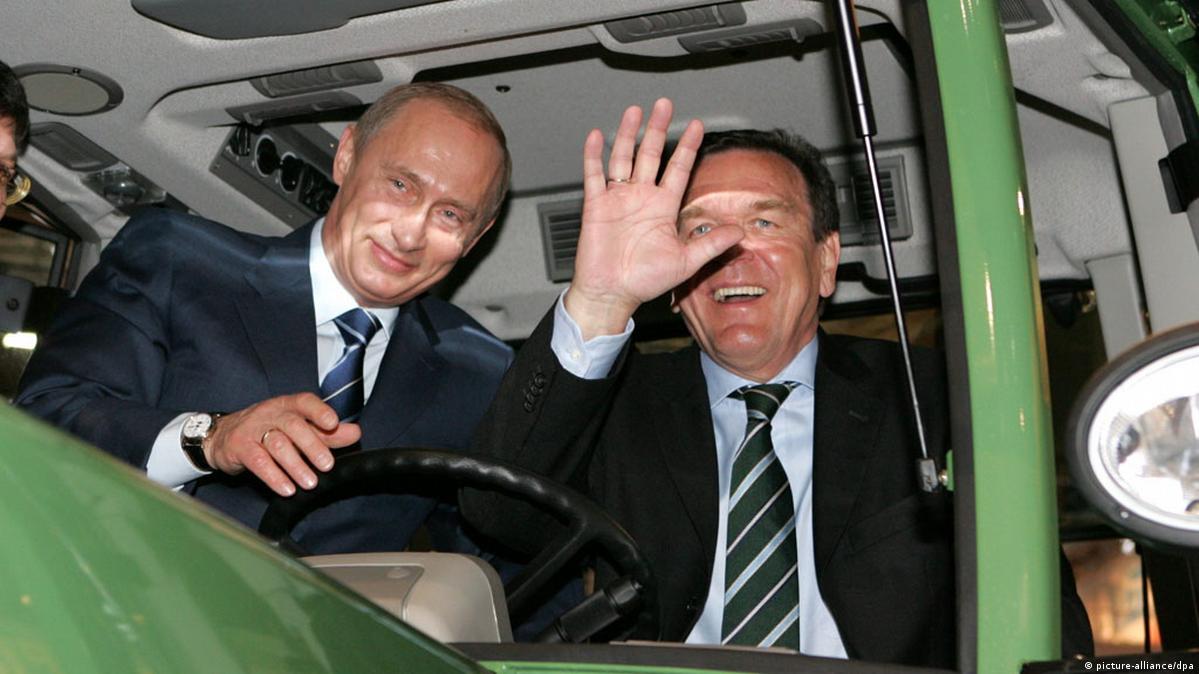
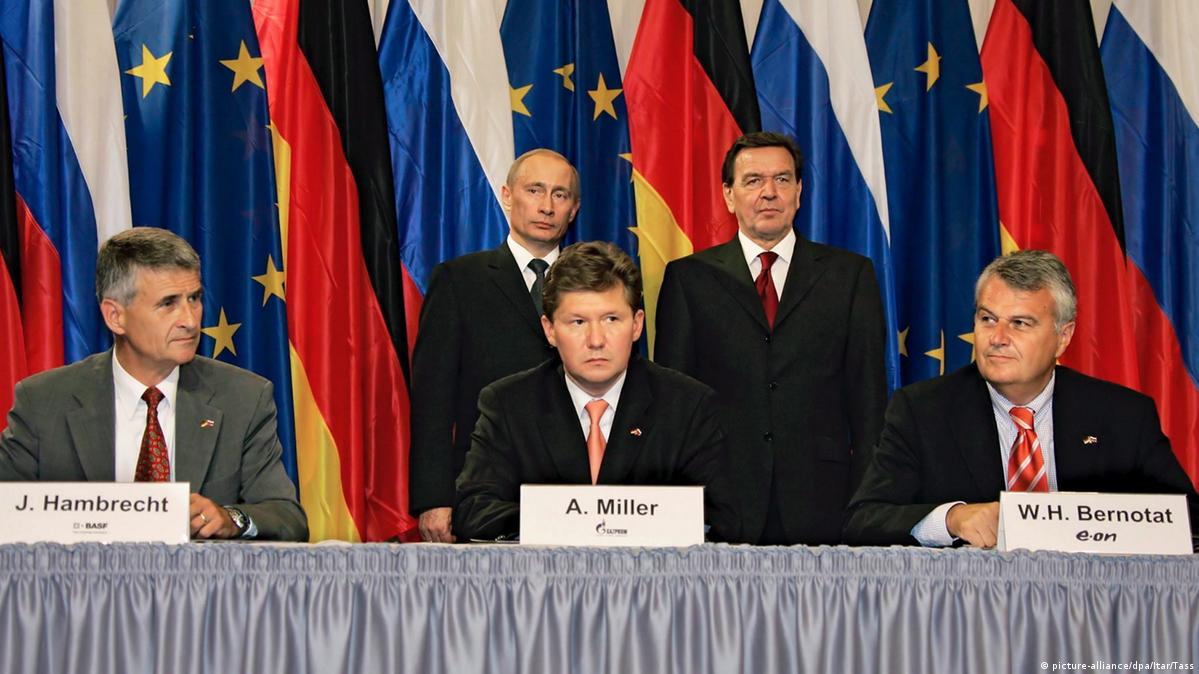
Another "one from Hanover" - Sigmar Gabriel, who became chairman of the SPD, Vice-Chancellor of Germany and also the Foreign Minister later. It was in 2013-2017, when he was still Minister of Economy, that the share of Russian gas in German imports began to grow rapidly and in a matter of years increased from less than 35% to almost 55%. It was Gabriel who permitted in 2015, a year after the annexation of Crimea, to transfer several German gas storage facilities to Gazprom, including the largest UGS facility in the entire European Union, Rehden.
"Despite the fact that they were wrong for decades, almost all the Social Democrats managed to get away with it," Reinhard Bingener stated at a meeting with readers. When asked by one of them how strongly the current social-democratic chancellor of Germany was connected with Russia, the co-author of the book "The Moscow Connection" answered that Olaf Scholz did not maintain close contacts with the Kremlin, but did not oppose them within the party. At the same time, "he actually played a positive role" when, in the course of the internal party struggle, he put an end to the political career of Sigmar Gabriel.
When asked by DW how the German Social Democrats can act after the war in Ukraine ends and Putin ceases to be the President of the Russian Federation, Reinhard Bingener replied that the attitude towards Russia both in Germany and in the SPD has changed significantly: "I do not think that in two years someone will say: let's start the gas pipeline again." If we talk about Schröder, who on May 9, together with right-wing and left-wing populists, again, as if nothing had happened, came to a meeting at the Russian Embassy in Berlin, then the FAZ journalist honestly admitted: "His behaviour remains a mystery to us." The book reads that this may be a mixture of willfulness, greed and stubbornness.