

WSJ: European Defense Startups Are Booming
- 24.10.2025, 15:29
- 2,562
Against the backdrop of the war in Ukraine.
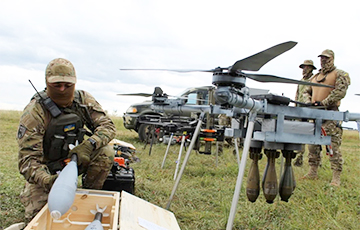
Russia's invasion of Ukraine, tense relations between the U.S. and Europe, and growing concerns about China have led to an explosion of military-tech startups in Europe. At the same time, many entrepreneurs couldn't imagine working on military or security projects before, writes The Wall Street Journal.
"Investing in defense was worse than doing porn sites," said Karl Rosander, a serial entrepreneur from Sweden who previously built e-commerce and podcast startups before taking control last year of Nordic Air Defense, a company that makes low-cost drone interceptors.
According to analysts at Dealroom.co and the NATO Investment Fund, venture capital investment in European startups focused on defense, security and resilience will exceed $8 billion this year, up from $5.4 billion last year and less than $500 million in 2015.
Beyond the rise is a combination of money and fear. In June, NATO governments pledged to more than double their defense and security spending, and investors see an opportunity.
At the same time, the amount of money available to European military technology startups remains small compared to the trillions of dollars needed for European security and is not yet enough to fund the rapid growth of early-stage companies, founders and financiers say:
"The lack of a single major customer in Europe is also holding back newcomers in the spheres of U.S. security startups in recent years, including Palantir and Anduril, have benefited from contracts with the Pentagon, which controls a huge budget. In Europe, military and security spending is spread across more than 30 countries, each with its own priorities and timelines."
European engineers and entrepreneurs previously sought the U.S. because of generous funding and a love of innovation. But U.S. national security rules restrict foreign ownership or control of military enterprises or classified technology.
Security-conscious European techies are increasingly choosing to stay put and help defend their homeland, the WSJ notes.
"Defense startup leaders are driven not just by opportunism but by conviction," said Sten Tamkivi, an Estonian serial entrepreneur and partner at Plural Platform, a fund investing in the sector.
At the same time, Markus Federle, a German venture capitalist building the Tholus Capital fund focused on defense and resilience technologies, said Europeans have been shaken by this year's events, but the change in mindset remains limited.
"Defense is still very new to Europe," he said. He sees growing interest but noted that deals are slow to close and "the system needs more money."

Bank's name: Bank Millennium S.A.
Address: ul. Stanislawa Zaryna, 2A, 02-593, Warszawa
IBAN: PL97116022020000000216711123
SWIFT: BIGBPLPW
Name of the account holder: Fundacja “KARTA ‘97”
Purpose/title of payment: Donation for statuary aims
You can contact us by the e-mail charter97@gmail.com