


NATO Has Developed A 4,400-page Defense Plan For War With Russia
4- 1.11.2025, 11:10
- 3,966
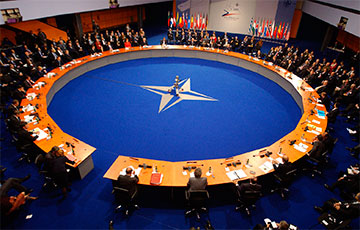
Moscow has already begun "Phase 0" in preparation for conflict with the Alliance.
There is growing confidence among military and NATO officials that war with Russia is inevitable. Not only military experts are talking about "Phase Zero" in the confrontation with Russia. There is also serious anxiety inside NATO, writes Welt. At the same time, experts note that the danger of a Russian attack will increase significantly after the war in Ukraine is over.
"No one knows how long the war in Ukraine will last. But the danger of an attack on NATO territory, especially in the Baltic States, will be greatest after the war in Ukraine is over. We are already in Phase Zero," a former senior NATO general told the publication.
Alliance is also concerned about the reorganization of some Russian military districts. This reform will lead to an increased presence of Russian troops on the borders with NATO countries, the head of Estonia's foreign intelligence service, Kaupo Rosin, told Welt.
"We see that these units are quickly transferred to Ukraine after one or two weeks of training for combat operations. But sooner or later they will come back," he emphasized.
For NATO, the deployment of enemy troops close to the border poses a problem: Russian armed forces could launch a quick attack in the event of a crisis, and the warning time for the defensive alliance would be very short. Therefore, NATO is making intensive preparations to prevent a Russian attack, and work has already begun on implementing secret defense plans.
According to the publication, NATO Supreme Allied Commander Europe Christopher T. Donahue presented a 4,400-page comprehensive defense concept ("Eastern Flank Deterrence Line Concept") to military representatives of 32 NATO member states nine days ago in Brussels.
"Drones and autonomous weapons play a key role in Donahue's concept, as does the deployment of more heavier weapons along NATO's eastern border, as well as better networking between armed forces for data sharing," the publication notes.

Bank's name: Bank Millennium S.A.
Address: ul. Stanislawa Zaryna, 2A, 02-593, Warszawa
IBAN: PL97116022020000000216711123
SWIFT: BIGBPLPW
Name of the account holder: Fundacja “KARTA ‘97”
Purpose/title of payment: Donation for statuary aims
You can contact us by the e-mail charter97@gmail.com