

The Telegraph: Trump And Zelensky Prepare For Crucial Peace Plan Talks
- 25.11.2025, 8:33
- 3,754
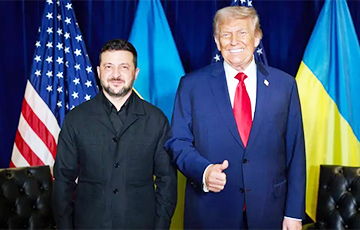
Photo: Getty Images
The presidents could meet in Washington this week.
During talks in Geneva, US and Ukrainian representatives agreed on a new 19-point plan to end the war. However, the most politically sensitive issues will be decided by US and Ukrainian presidents Donald Trump and Vladimir Zelensky in direct talks.
As The Telegraph writes, direct talks could begin as early as this week, with unconfirmed reports suggesting Zelensky may visit Washington. Key stumbling blocks have been the issue of territory swaps and a new security relationship between the US, NATO and Russia.
The 28-point peace plan required Ukraine to give up significant territory, including areas that have not even been captured by Russian forces.
The issue has been "bracketed" so that Trump and Zelensky can agree at a later date. However, the US president is expected to hold talks with Vladimir Putin before then, The Telegraph writes.
The Kremlin rejected a European counterproposal for a US-Russian plan on Monday.
A European source familiar with the latest talks told The Telegraph that there was still a lot of work to be done on the plan and that caution should be exercised due to the lack of Russian agreement.
British Prime Minister Keir Starmer and French President Emmanuel Macron have called a "Coalition of the willing" meeting in Geneva to report on the talks, but their aides are not known to have seen the latest plan.
It is unlikely that Starmer, Macron and other European leaders will join Zelensky during the White House meeting, The Telegraph writes:
"Instead, EU leaders, who held their summit on Monday, agreed to accelerate plans to provide Ukraine with 140 billion euros from frozen Russian assets. Diplomatic sources said this was due to low confidence that the peace talks in Geneva would lead to an immediate ceasefire."
Ursula von der Leyen, the European Commission president whose top aide was involved in the talks, said there was "good progress" in Geneva.
At the same time, German Chancellor Friedrich Merz expressed doubts about progress, saying, "The next step should be for Russia to join the negotiating table."

Bank's name: Bank Millennium S.A.
Address: ul. Stanislawa Zaryna, 2A, 02-593, Warszawa
IBAN: PL97116022020000000216711123
SWIFT: BIGBPLPW
Name of the account holder: Fundacja “KARTA ‘97”
Purpose/title of payment: Donation for statuary aims
You can contact us by the e-mail charter97@gmail.com