

Atlantic Council: Russia Should Be Punished
6- 26.11.2025, 18:16
- 5,282
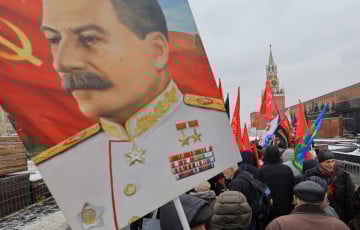
The Kremlin's impunity is the main obstacle to peace in Ukraine.
Experts note that the discussion of security conditions is only the tip of the iceberg. Far more important are the historical and ideological reasons for Russian aggression, which directly affect the prospects for any peace process, writes Atlantic Council (translated by Charter97.org).
Russian violence against Ukraine has deep roots. For centuries, Russian authorities - from Peter I to Putin - have sought to suppress Ukrainian identity: banning the language, persecuting church and cultural leaders, and imprisoning supporters of independence. This policy culminated in the Holodomor of the 1930s, which killed at least four million Ukrainians. Raphael Lemkin, creator of the term "genocide," called the destruction of the Ukrainian nation a "classic example" of Soviet genocide.
Modern warfare is a continuation of this imperial logic. Every shelling of Ukrainian cities, every deportation of children and destruction of cultural sites is embedded in an ideology that views people as a resource to strengthen the state. According to the Ukrainian prosecutor's office, more than 178,000 war crimes are already under investigation. International experts characterize Russian atrocities as "systemic" and present "everywhere Russian troops have been.
The impunity that has accompanied Russian crimes for centuries has allowed imperial ideology to revive and intensify. Today, the Kremlin makes no secret of its ambition to absorb Ukraine, utilizing its resources and population in a further confrontation with the West. The frightening slogan "We can do it again," popular after 2014, reflects this ideology of expansion.
To ensure long-term peace, the international community must not only stop the current crimes, but also secure worldwide condemnation of the imperial doctrine that makes war possible. Without this, Russia will remain convinced that it can indeed "do it again."

Bank's name: Bank Millennium S.A.
Address: ul. Stanislawa Zaryna, 2A, 02-593, Warszawa
IBAN: PL97116022020000000216711123
SWIFT: BIGBPLPW
Name of the account holder: Fundacja “KARTA ‘97”
Purpose/title of payment: Donation for statuary aims
You can contact us by the e-mail charter97@gmail.com