

Tankers Of Putin's Shadow Fleet Started To Be Scrapped
1- 26.11.2025, 22:39
- 8,160
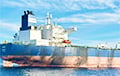
Floating scrap metal turns into real scrap metal.
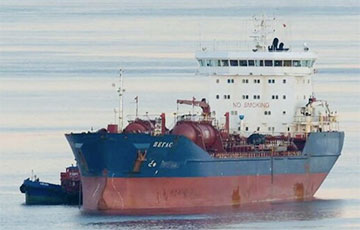
More and more old tankers, which Russia has assembled for oil exports to circumvent Western sanctions, are running out of life and require scrapping. As a result, floating scrap metal is turning into real scrap, undermining the capabilities of the shadow fleet, which is forced to sell the under-sanctions vessels at a discount and look for something to make up for the losses.
The average age of ships in the shadow fleet is 20 years, with 60 percent of the ships 20 years old or older, according to S&P Global. And because the tiny companies that own them are "unlikely to be able to buy shiny new ships even if they really wanted to, these ships are often on their last legs," writes Elizabeth Brough, a senior fellow at the Atlantic Council and author of "Goodbye Globalization," in Politico. After several years in the shadow fleet, these tankers, which were better off scrapped when they were bought, "are simply too old to sail, especially since they undergo only the most superficial maintenance," Brough says.
In November, the Eagle S tanker, which gained notoriety for anchoring several submarine cables in the Gulf of Finland late last year, began to be dismantled in the Turkish port of Aliaga. It was detained by the Finnish Coast Guard and the captain and two of his subordinates were brought to court. The tanker, according to Finnish authorities, was also carrying spy equipment.
The 19-year-old Eagle S was flying the Cook Islands flag and had been carrying Russian oil since early 2023.
Estimates of the size of the shadow fleet vary. S&P Global estimates that up to 80% of tankers carrying Russian oil do not have a recognized policy from companies in international third-party liability insurance (P&I) clubs. S&P Global has identified 561 tankers with deadweight of almost 50 million tons, which is engaged in the transportation of Russian oil. Another 193 (almost 33 million tons), according to the agency, are switched between different sanctioned countries, including Iran and Venezuela.
The service life of many ships in the shadow fleet has already been exceeded, so "these rusty troughs" don't last long before they have to be scrapped, Brough points out. Officially, 409 ships have been scrapped in 2024; they are most safely dismantled in Denmark, Norway and the Netherlands, relatively safely in Turkey, but two-thirds are dismantled in Southeast Asian countries, most notably India, Pakistan and Bangladesh, where safety standards are generally not enforced. Many shadow tankers are under Western sanctions, making it difficult for their owners to sell their vessels for scrap because transactions are usually conducted in U.S. dollars.
The result is a shadow market for scrapping shadow fleet vessels, Brough writes. As in the case of Russian oil, which is sold at a significant discount, the owners of such tankers also have to give a discount to buyers. It is not known how the payments are made, but it is probably not done in dollars or cryptocurrency, the researcher notes.
She suggests that Western governments give the owners of such ships the opportunity to officially sell them on condition that they provide detailed information about the structure of the shadow fleet and promise to get out of this business.

Bank's name: Bank Millennium S.A.
Address: ul. Stanislawa Zaryna, 2A, 02-593, Warszawa
IBAN: PL97116022020000000216711123
SWIFT: BIGBPLPW
Name of the account holder: Fundacja “KARTA ‘97”
Purpose/title of payment: Donation for statuary aims
You can contact us by the e-mail charter97@gmail.com