

WSJ: Zelensky Has Developed A Successful Strategy For Responding To Trump's Peace Plan
11- 14.12.2025, 9:59
- 8,562
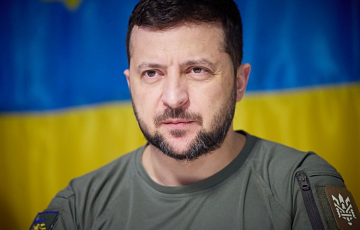
It boils down to a simple "yes, but..." and involves pressuring partners.
Ukrainian President Vladimir Zelensky, with the support of his European allies, has developed a strategy to respond to US President Donald Trump's peace plan to make it acceptable to Ukraine without rejecting it in a way that alienates the American leader. That strategy essentially boils down to a simple "yes, but..." and involves pressuring partners on specific issues, particularly on mechanisms for implementing the most contentious points, writes The Wall Street Journal.
Zelensky is willing to hold elections, but that would require a ceasefire. He says Russia can maintain involvement in the Zaporizhzhya nuclear power plant, which it now occupies, but Ukraine and the U.S. must control the situation. The size of the Ukrainian army could be limited, he admits, but within the current size.
"This approach allowed Zelensky to support Trump's peaceful vision, but not at the expense of political credibility within the country," the publication notes.
The Territories Question
The U.S.-proposed agreement calls for turning the remaining territory of the Donetsk region into a "free economic zone" or "demilitarized zone," from which Ukraine would withdraw its troops and Russian military would be denied access.
Instead of ruling out this option entirely, Zelensky demanded more details. For example, if Ukraine withdraws, what would prevent Russian forces from advancing? Or what would prevent Russia from infiltrating the zone under the guise of civilians to control it?"
"You can't guarantee that we as Ukraine will accept this, but when you talk to us about a compromise, the compromise you offer must be fair," Zelensky said.
While Zelensky has used this negotiating tactic before. For example, when the Trump administration pushed for an agreement to grant the U.S. access to Ukraine's mineral resources, Kiev secured more favorable terms by refusing to sign it immediately.
Elections and the WPPP
Zelensky, who was offered an election in the peace plan, chose the pragmatic path. He said this week that he was ready to hold the vote, but only if parliament presented a legitimate path and partners - most notably the United States - secured a cease-fire for the duration of the election.
The lack of clarity in the proposal on how the U.S. plans to demilitarize Europe's largest nuclear power plant and create a consortium to jointly manage the facility also gave Zelensky an opportunity to renegotiate the terms.
Ukraine opposes putting the Zaporizhzhya nuclear plant under Russian control, Zelensky said. But if the deal includes the United States in management, details of joint work at the plant would need to be worked out, he added.
Ukrainian political analyst Vladimir Fesenko said Zelensky's method of pressuring partners on specific issues, including mechanisms for implementing the most controversial points, allowed him to continue constructive negotiations without conceding on key issues.
"We just need to psychologically withstand this pressure, make a small pause and say that we are ready to discuss," Fesenko said. "And then let's sit down and discuss each specific item."
"And then let's sit down and discuss each specific item.

Bank's name: Bank Millennium S.A.
Address: ul. Stanislawa Zaryna, 2A, 02-593, Warszawa
IBAN: PL97116022020000000216711123
SWIFT: BIGBPLPW
Name of the account holder: Fundacja “KARTA ‘97”
Purpose/title of payment: Donation for statuary aims
You can contact us by the e-mail charter97@gmail.com