

US Blocks Scheme To Swap Lukoil Shares For Its Foreign Assets
- 16.12.2025, 13:31
- 1,840
The U.S. Treasury Department warned participants in the process.
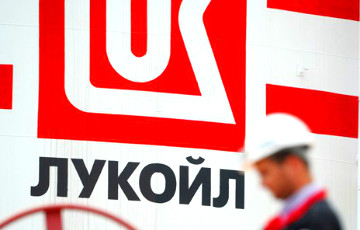
The U.S. Treasury Department has turned down a group of investors led by U.S. bank Xtellus Partners who had requested permission to acquire Lukoil's foreign assets, Reuters reports, citing four sources familiar with the situation (translation - moscowtimes.ru).
Xtellus has been competing with Exxon Mobil, Chevron, as well as UAE-based International Holding Company, Hungary's MOL and US-based Carlyle, which have shown interest in Lukoil's assets. Among them are refineries in Bulgaria, Romania and the Netherlands, a network of 2,000 gas stations in Europe, Central Asia, the Middle East and America, as well as production capacities in Azerbaijan, Kazakhstan, Uzbekistan, Iraq, Egypt and the UAE, Latin America, West and Central Africa.
The Xtellus offer envisioned a cashless exchange of Lukoil shares held by U.S. investors for the Russian company's foreign assets and the return of the securities to the Russian giant. According to a Reuters source, the U.S. Finance Ministry notified the participants in the process that the use of sanctioned securities in the deal was prohibited.
The investor group now intends to seek a higher-level review of the decision and apply for a license to access those shares, Reuters' interlocutors said.
The United States imposed blocking sanctions against Russia's second-largest oil producer in October, setting a deadline of Nov. 21 for the sale of foreign assets valued at $22 billion. The deadline was later pushed back to December 13 and then to January 17, 2026.
According to the US Treasury Department, any transactions with Lukoil's foreign assets must comply with US national security and foreign policy objectives, prevent Lukoil from making excess profits, block the flow of funds until the sanctions are lifted, and ensure a complete severance of ties with the Russian oil company. If Lukoil fails to reach an agreement before the U.S. deadline, its foreign assets could be placed in limbo and seized by local authorities.

Bank's name: Bank Millennium S.A.
Address: ul. Stanislawa Zaryna, 2A, 02-593, Warszawa
IBAN: PL97116022020000000216711123
SWIFT: BIGBPLPW
Name of the account holder: Fundacja “KARTA ‘97”
Purpose/title of payment: Donation for statuary aims
You can contact us by the e-mail charter97@gmail.com