

"People Need To Be Rescued": Press Conference Of Released Political Prisoners In Vilnius
16- 22.12.2025, 13:11
- 13,736
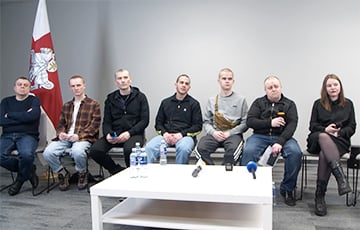
(updated) What former prisoners of conscience told.
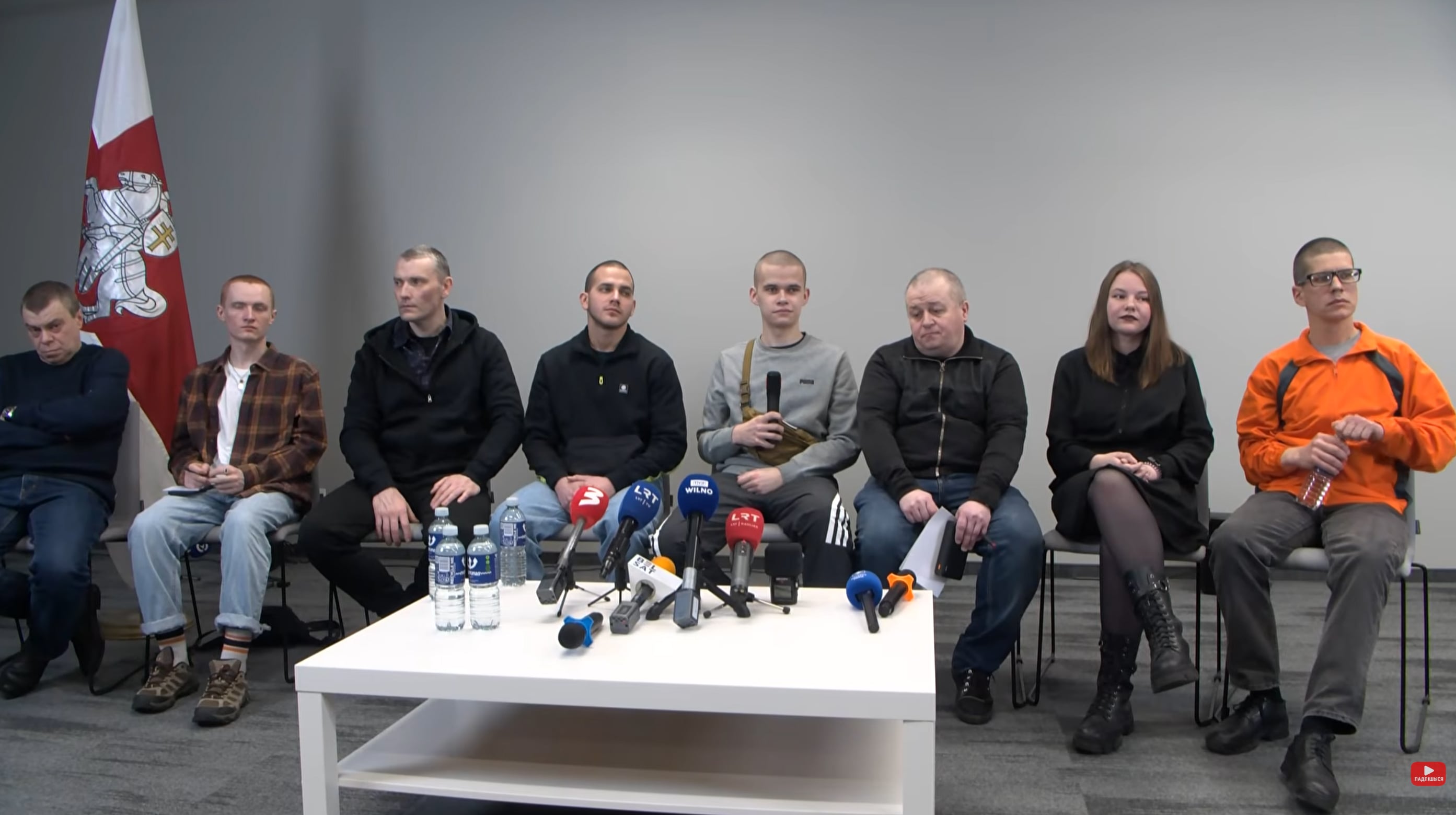
On December 13, after the meeting between Alexander Lukashenko and U.S. Special Envoy to Belarus John Cole, Belarus released 123 political prisoners. All of them were taken abroad, most of them to Ukraine. Then the prisoners of conscience left for Poland and Lithuania.
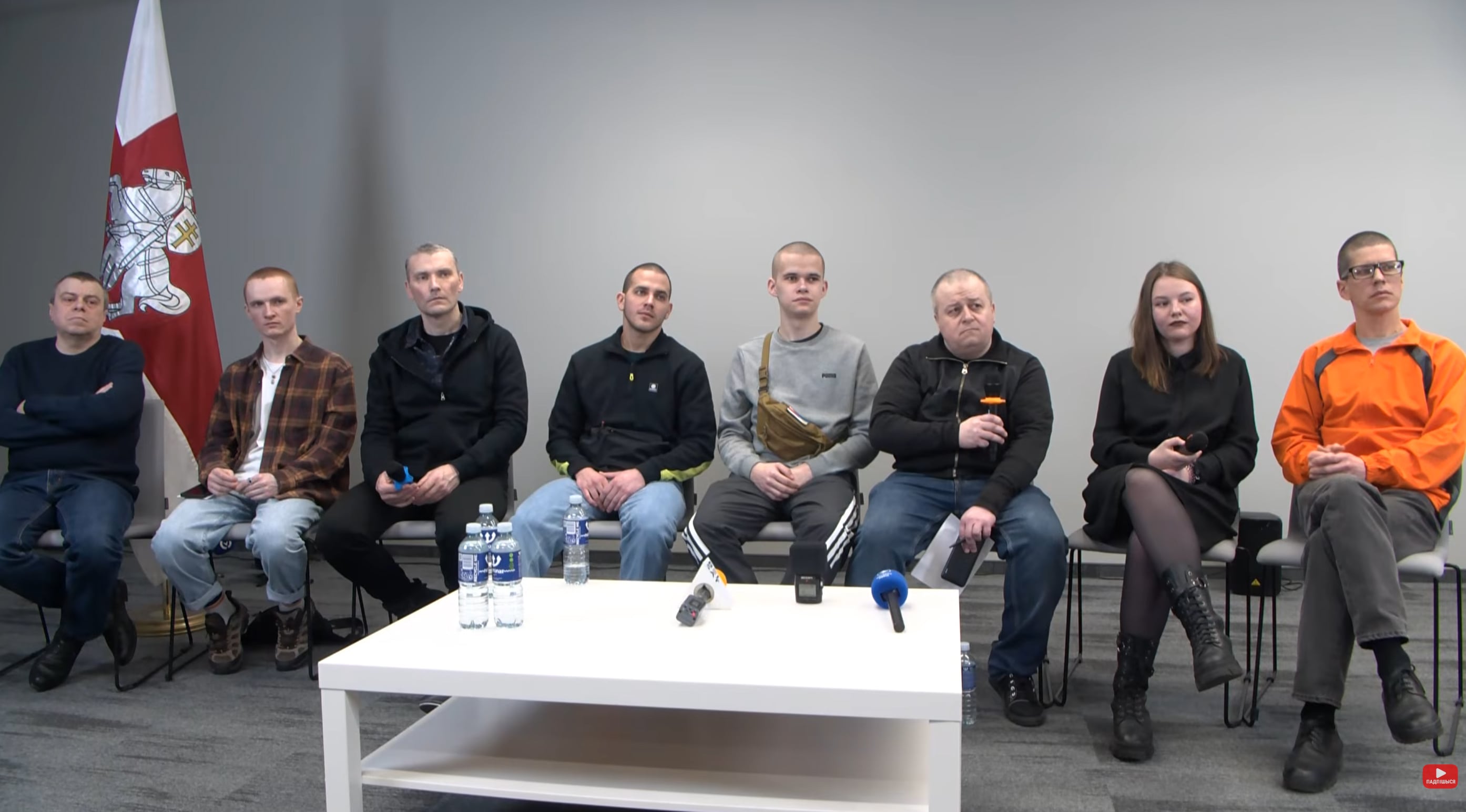
Today, December 22, the political prisoners who left for Vilnius answered journalists' questions.
The website Charter97.org carried the text broadcast.
14:36 The press conference has ended. Political prisoners are urging not to stop efforts to free those in Belarusian prisons.
14:35 News quickly spread in the colonies that Belarusian opposition leader Nikolai Statkevich refused to leave Belarus.
"This is a flint, a truly ideological man who is drowning for his cause," a political prisoner said.
14:34 Some of the political prisoners were running out of prison terms.
"I had five months left, I was making plans what I would do in Belarus," said Sergei Rudenkov.
14:28 "I don't see any special logic in releasing me. It's a lottery, I was lucky," said ex-political prisoner Sergei Pavlovitsky
14:26 Prisoners of Belarusian colonies work for the Russian army. They make boxes for shells and bullets.
"They work undercover, allegedly the order comes from the Belarusian side," said Maxim Sennik.
14:21 "We were sweeping puddles. People passed by and didn't understand what we were doing," Anna Kuris said about working in detention.
14:19 "We sewed work suits for construction organizations from Russia," said a political prisoner. Most released prisoners worked in sewing shops.
"At best, they paid 40 rubles a month," the prisoner of conscience said of earnings in the colony.
14:13 "This is an endless article, it can be used all the time and you can add time," Maxim Sennik said about Article 411.
14:08 "In Prison No. 8, the main torture is the use of Article 411 (disobedience to the demands of the administration of the correctional facility - ed.). As horrible as it sounds, many political prisoners are now simply in life imprisonment, because it is very easy to use this article. They need to be saved," said ex-political prisoner Labkovich.
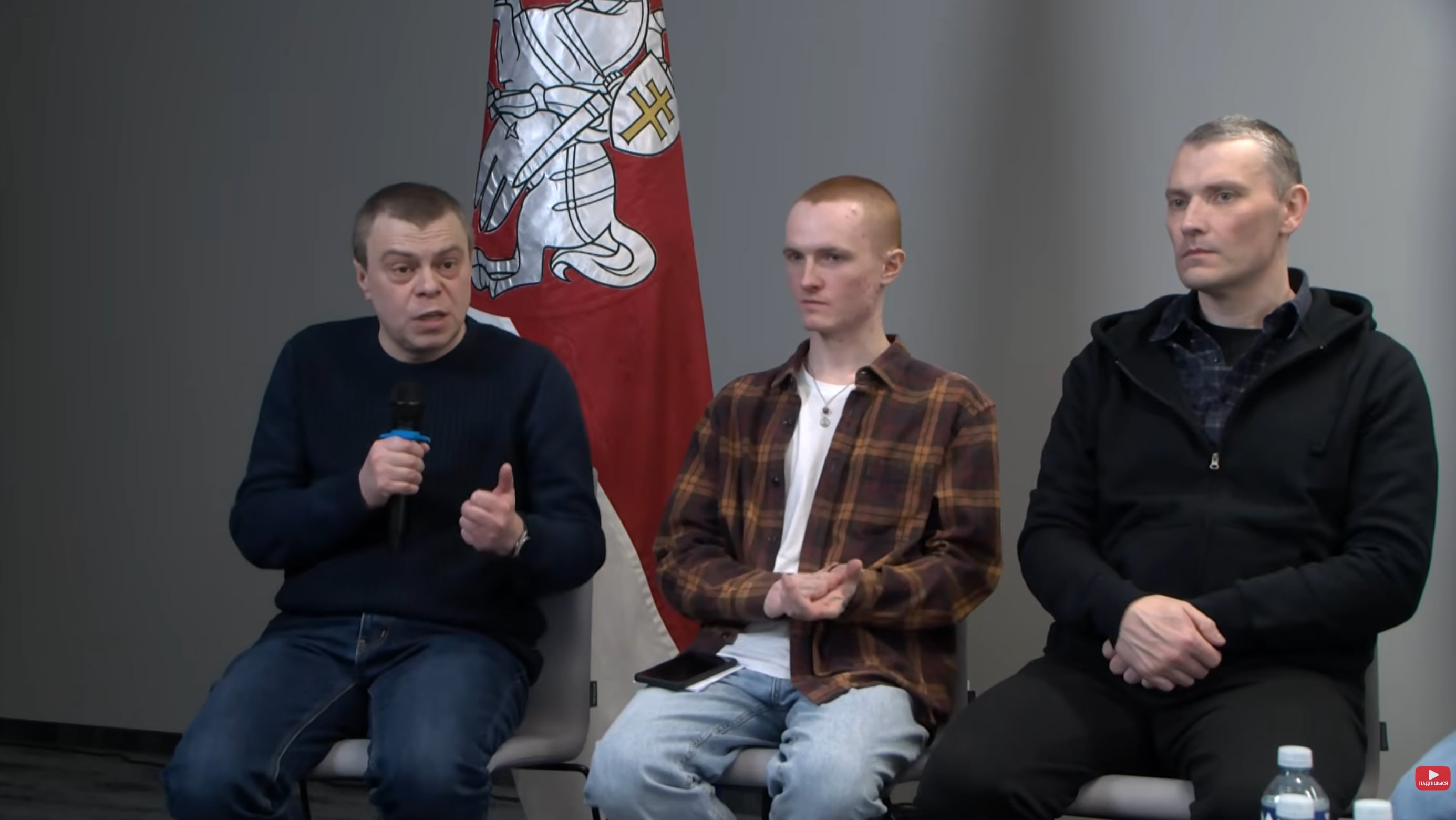
14:06 "The stories of political prisoners need to be told. It is very important to document stories of crimes. Even if this information is still closed to journalists, it should be available to specialists," Labkovich said.
He also told political prisoners to contact human rights activists and tell about cases of torture so that the lukashists are punished.
14:00 Vladimir Labkovich said about torture in prisons:
- Conditions are terrible. I have been to many places. If we talk about colony #17, I was told that "your friends are making a sacred sacrifice out of you, and we will help them in this." It was very difficult for me to sit in solitary confinement, I sat in them for weeks. There was physical abuse, moral and mental abuse - every day.
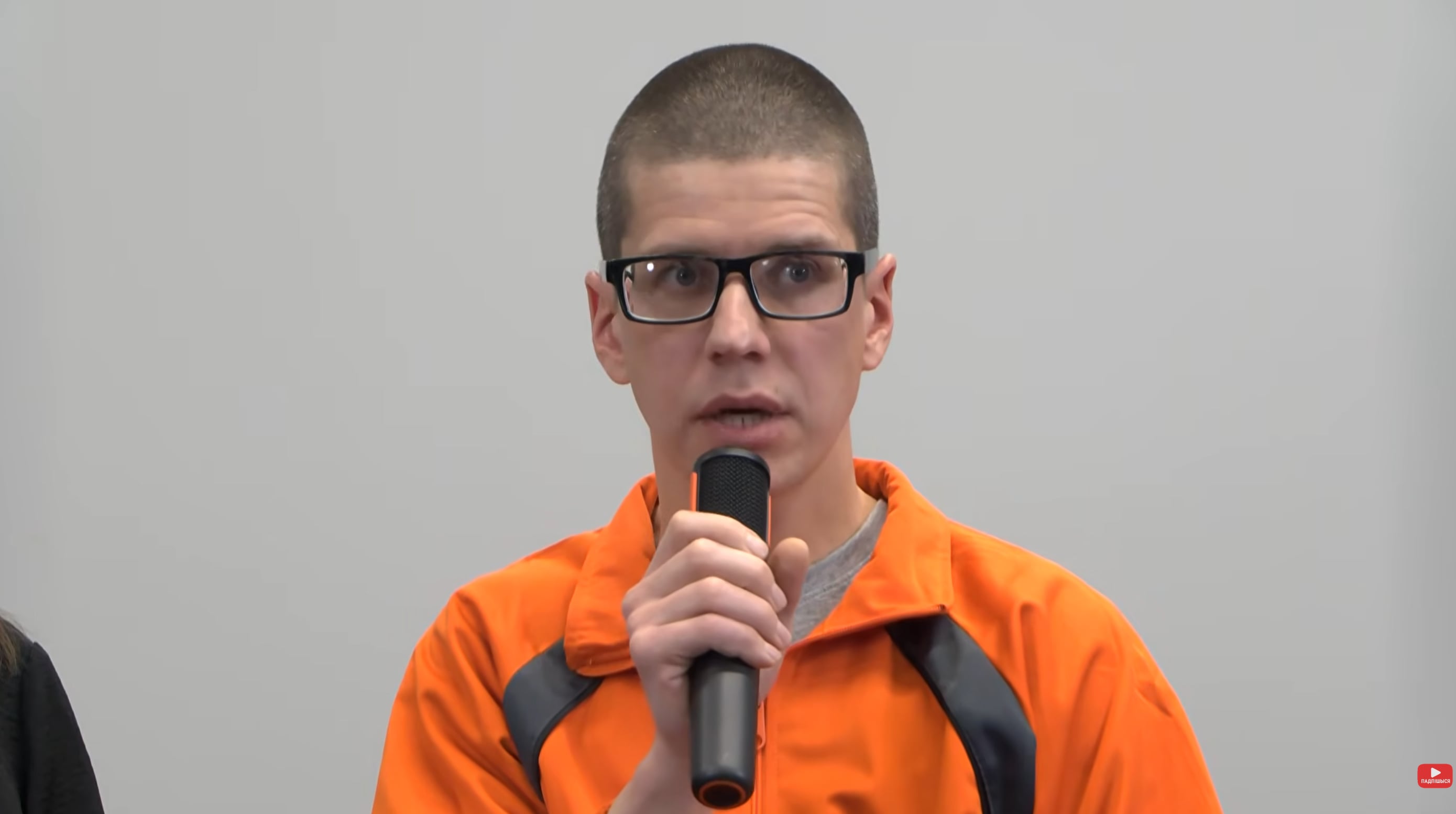
13:56 "First they suggested that I work for the KGB. This was when they put me in the KGB in Grodno. I was offered to go abroad and collect information. I refused," said Maxim Sennik.
The political prisoner also said that in the colony he started having problems with cellmates because of snoring. He was beaten so much that he started asking for a SHIZO. Because of the cold, he started having health problems.
13:52 "I'm still in shock that people just want to help you," Anna Kuris said.
13:47 Vladimir Labkovich recalled his colleagues from the Human Rights Center "Viasna" who are now in prison - Valentin Stefanovich, Marfa Rabkova.
13:46 Then journalists took the floor. The first question was addressed to Alexei Kaplich - at the time of detention he was under 18 years old.
"I enter the office - immediately a bag on my head, the interrogation was on the day of detention and lasted until 4 a.m. I lived in the office for 12 days, none of my relatives knew where I was and what was happening to me," he said about the detention at the airport in Minsk.
13:42 Sergei Pavlovichsky said that it was after his release that he truly understood what solidarity is. He thanked the US, Ukraine and European countries for their help:
- It's grandiose. I even told the political prisoners: "Get ready, you will have to give interviews after your release." I urge: don't stop, do everything so that we win. There is only a small part of people who are imprisoned here. My daughter was given a present on the eve of her birthday - I am free. Other children have not been given one yet. Let's help them.
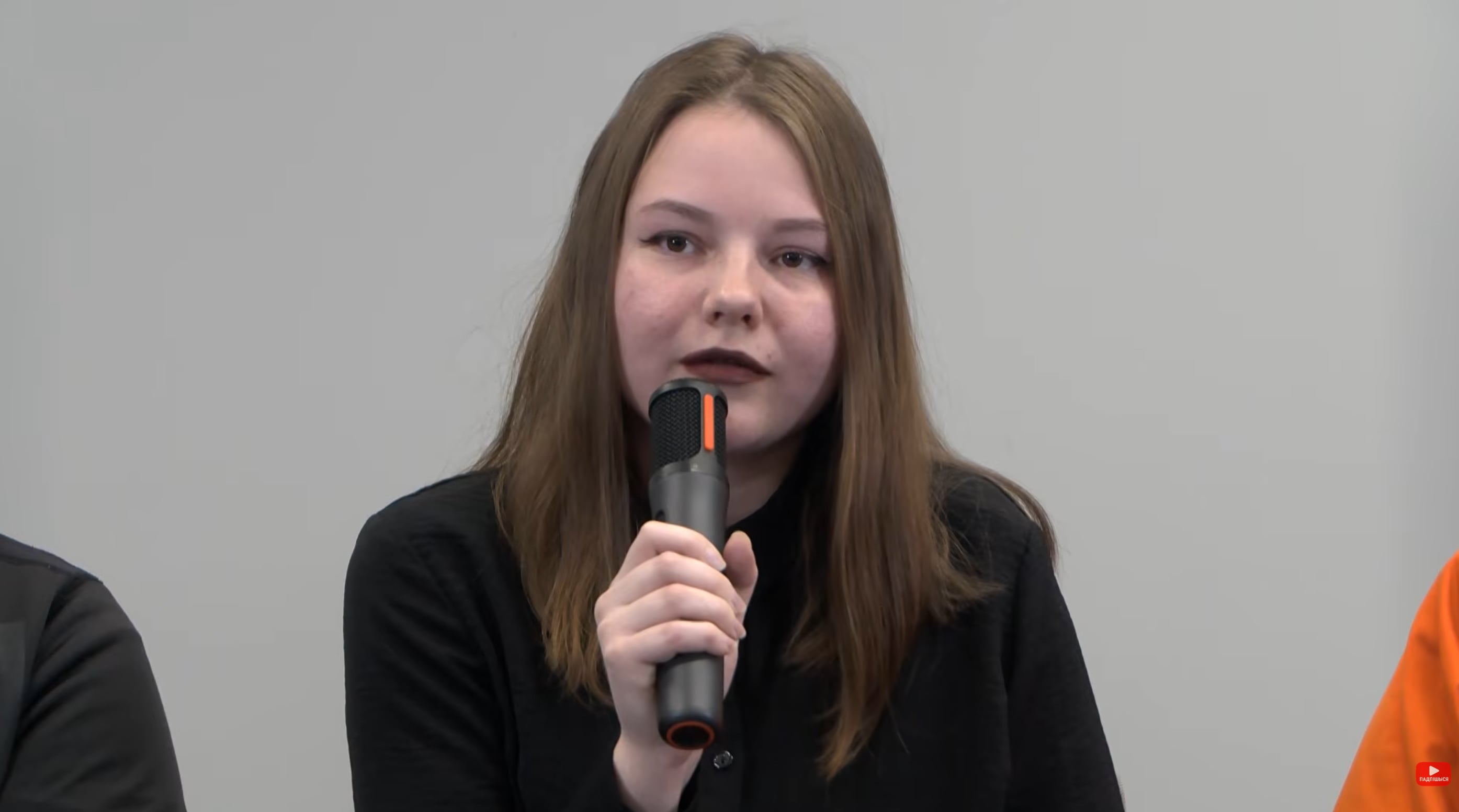
13:35 "I will not be able to sit silently while I know that people, my friends, are imprisoned in Belarus. We must attract public attention and do everything possible to make sure that people who are sitting because 'someone wanted it that way' go free," urged Anna Kuris.
13:35 Former Grodno Azot worker Sennik Maxim said that many political prisoners sat with him. Some of them were sent for "chemistry":
- I was in the SHIZO and SCT. There were health problems. They kept me in bestial conditions, it was very cold. The cells were in very bad conditions, the walls were just horrible. I was treated like cattle.
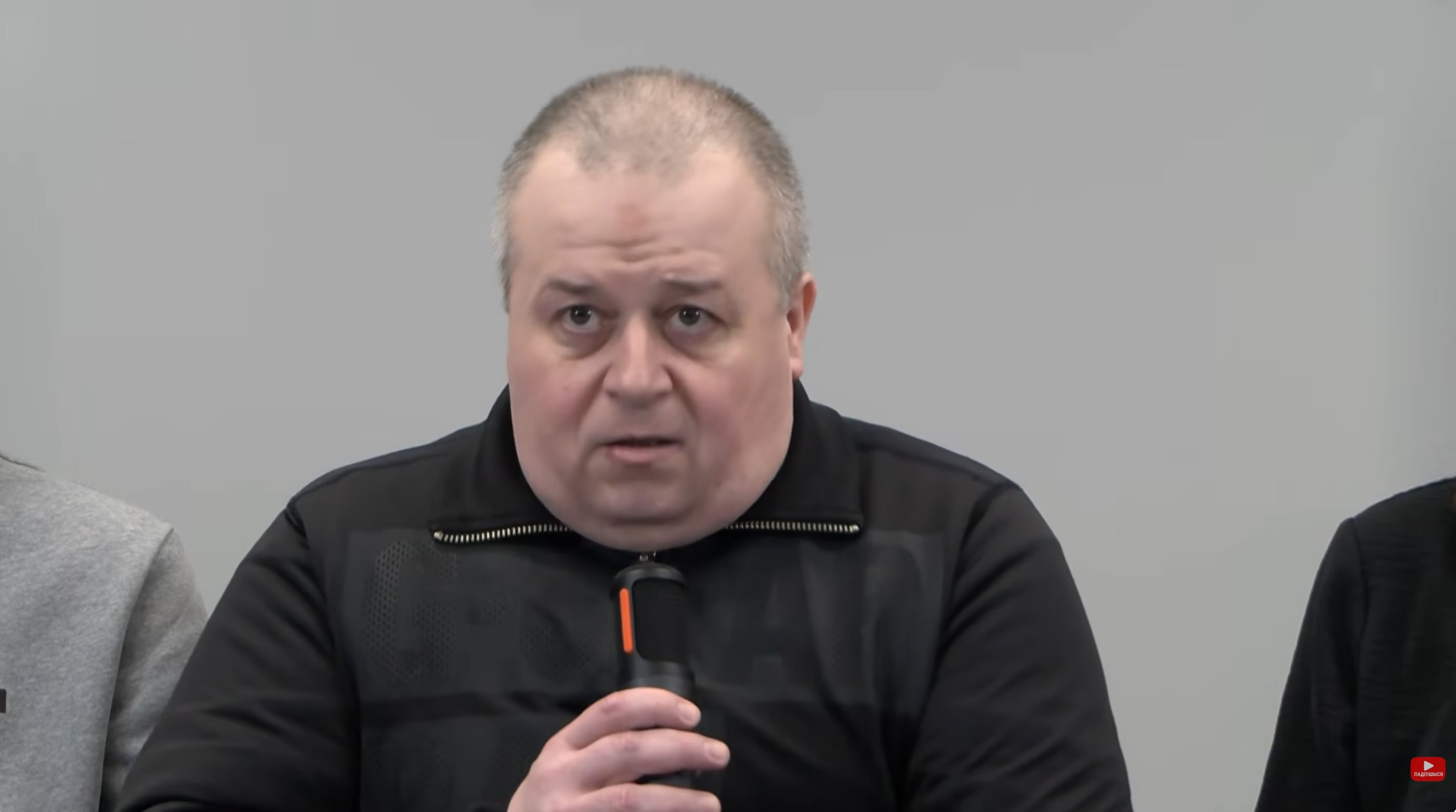
13:33 "On March 30 I was detained, on March 31 I was detained at Minsk airport. I was on my way to defend Ukraine," said Alexei Kaplich.
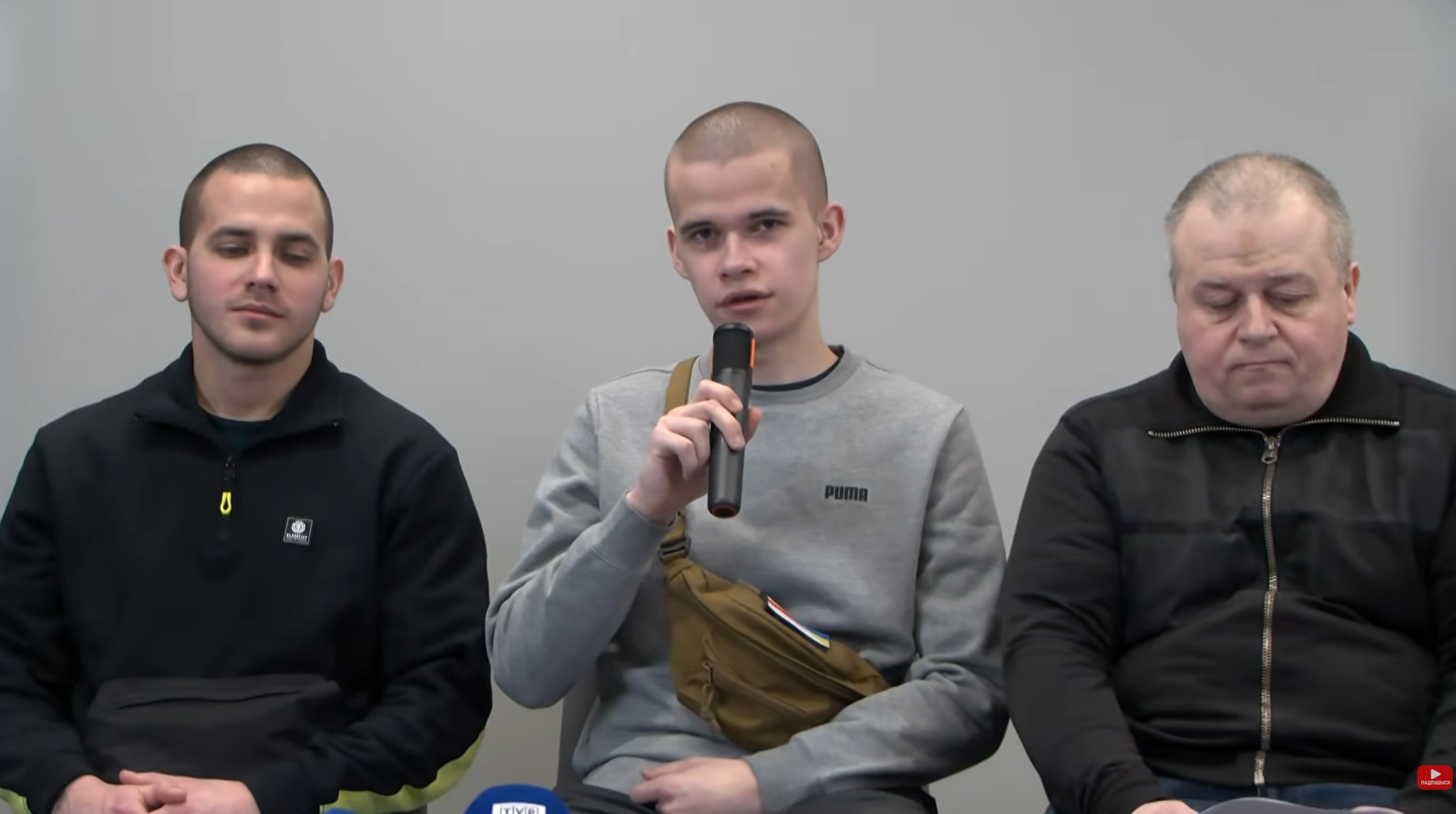
13:30 "I hope that this is only the beginning of the release of political prisoners, because many of our friends remain in prison," said Sergei Rudenkov.
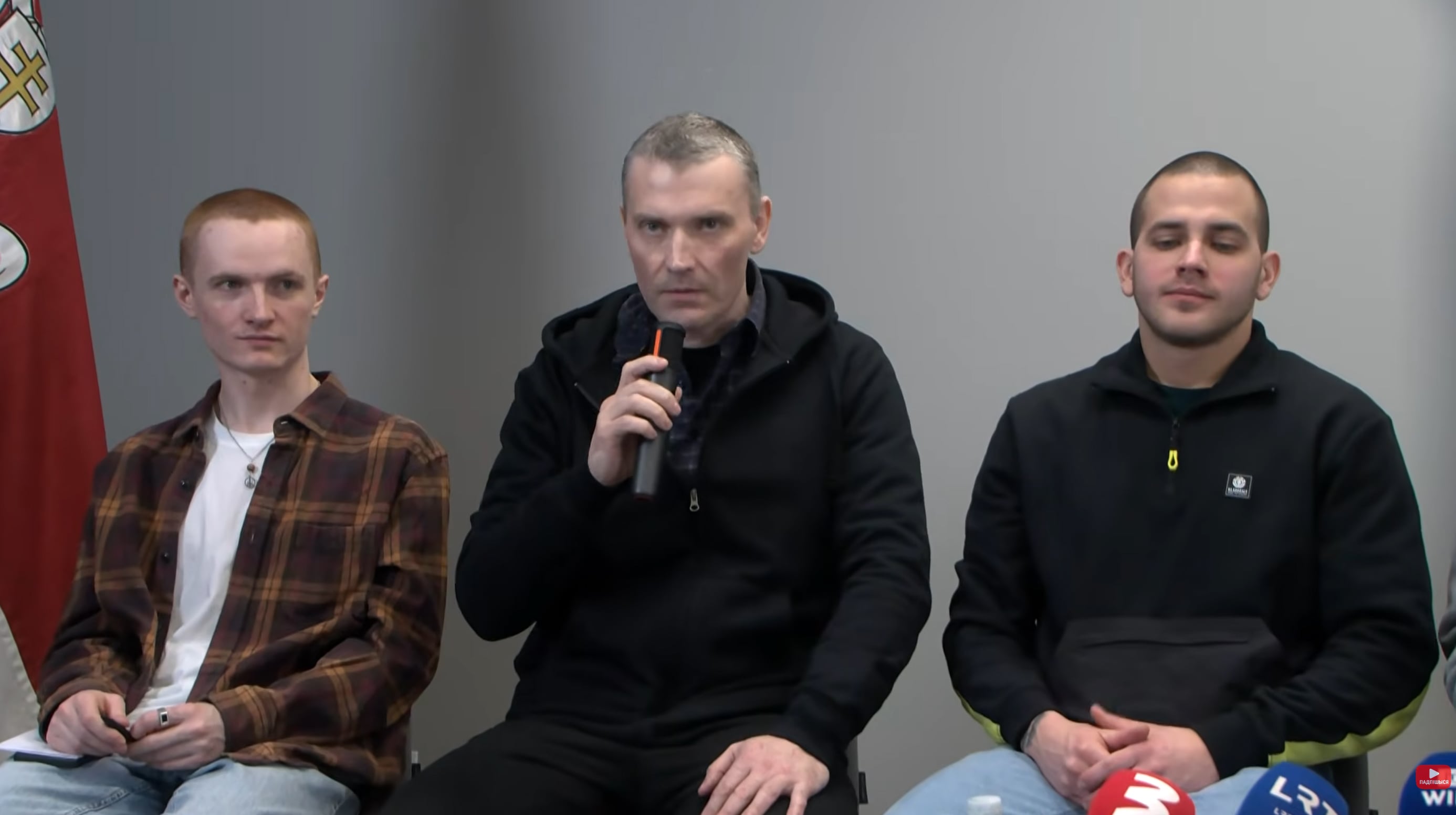
13:27 The political prisoner expressed special words of gratitude to volunteers from Belarus and Ukraine:
"It is important to release all political prisoners and stop repression. I am very concerned that the number of political prisoners is increasing every day. Every friend of mine who is in a pre-trial detention center or 'industrial zone' should be released."
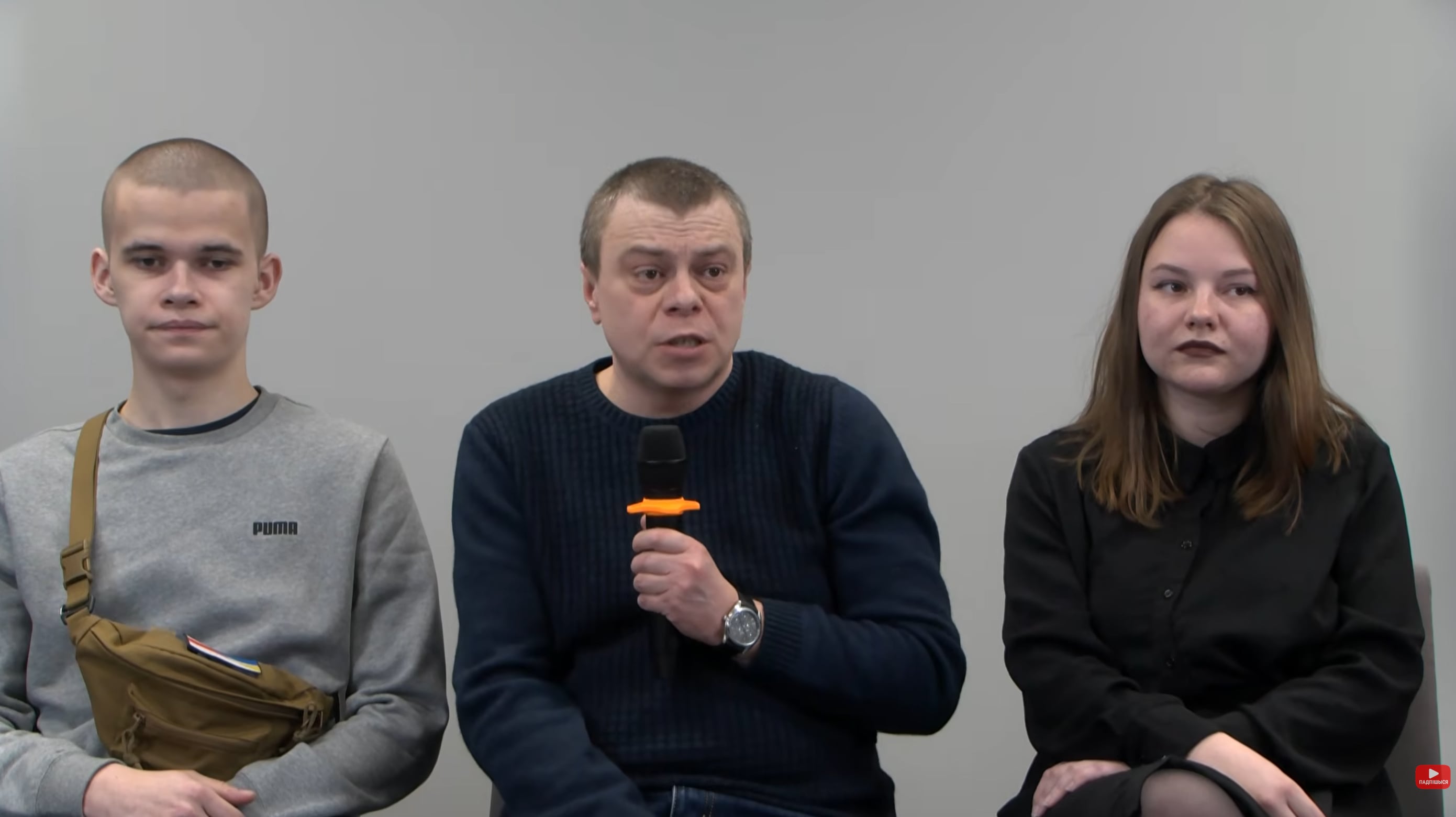
13:21 "The conditions of release were dramatic. The Ukrainian side gave us care and support, thank them," the former political prisoner says.
13:21 Viasna human rights activist Vladimir Labkovich took the floor. He thanked Trump "as a person who authored the process of releasing political prisoners." He expressed hope that the process will continue and all prisoners of conscience will be released.
13:11 The press conference was started by Svetlana Tikhanovskaya.
She expressed words of gratitude to US President Donald Trump, his team, as well as Ukrainian President Vladimir Zelensky, who participated in the release of political prisoners, as well as Belarusian human rights activists.

Bank's name: Bank Millennium S.A.
Address: ul. Stanislawa Zaryna, 2A, 02-593, Warszawa
IBAN: PL97116022020000000216711123
SWIFT: BIGBPLPW
Name of the account holder: Fundacja “KARTA ‘97”
Purpose/title of payment: Donation for statuary aims
You can contact us by the e-mail charter97@gmail.com