

Thousands Of Leaders: Who Will Take Power In Belarus?
1- 28.09.2026, 10:56
- 2,582
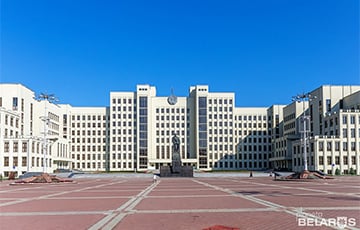
Lukashenko could be removed from office at any moment.
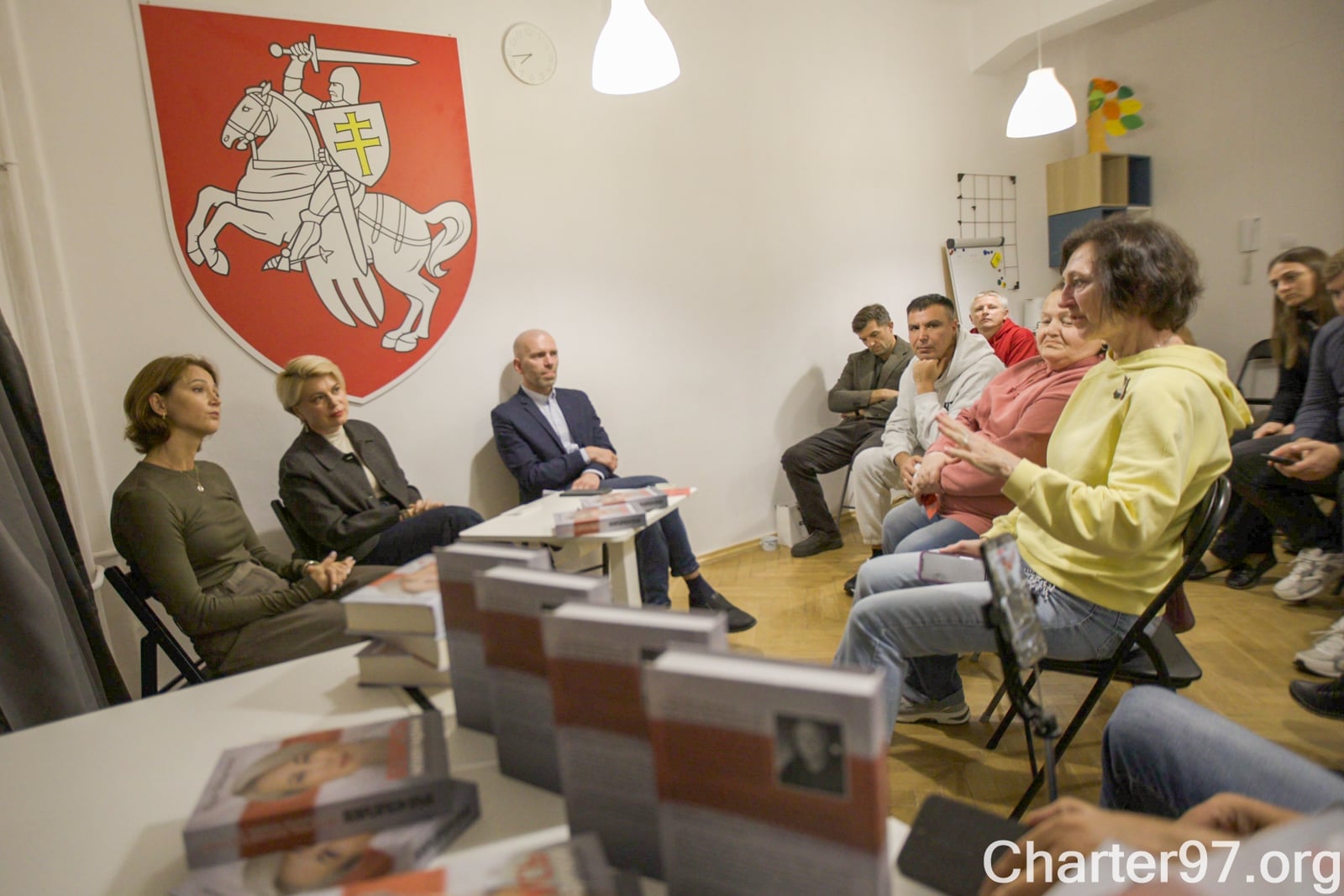
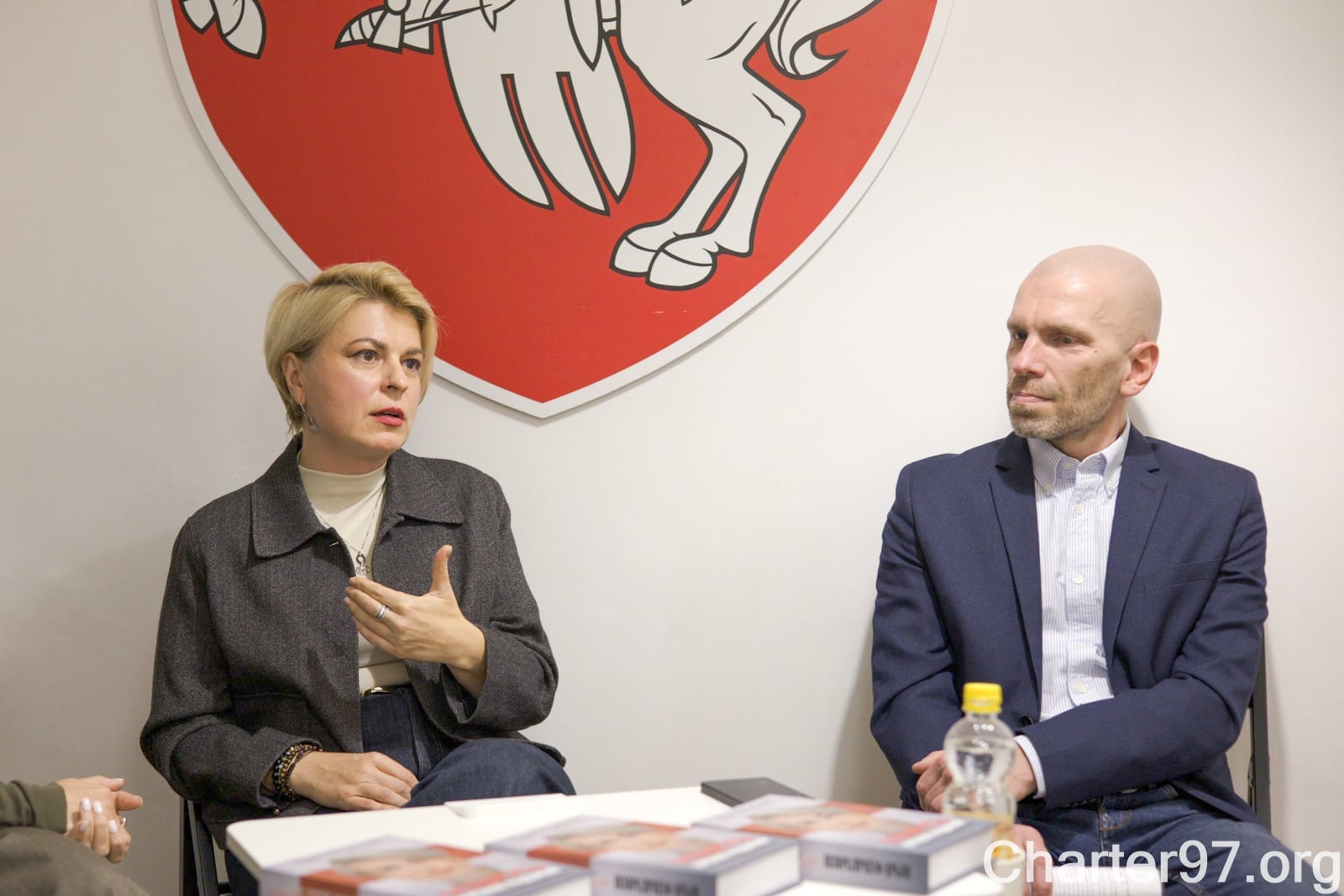
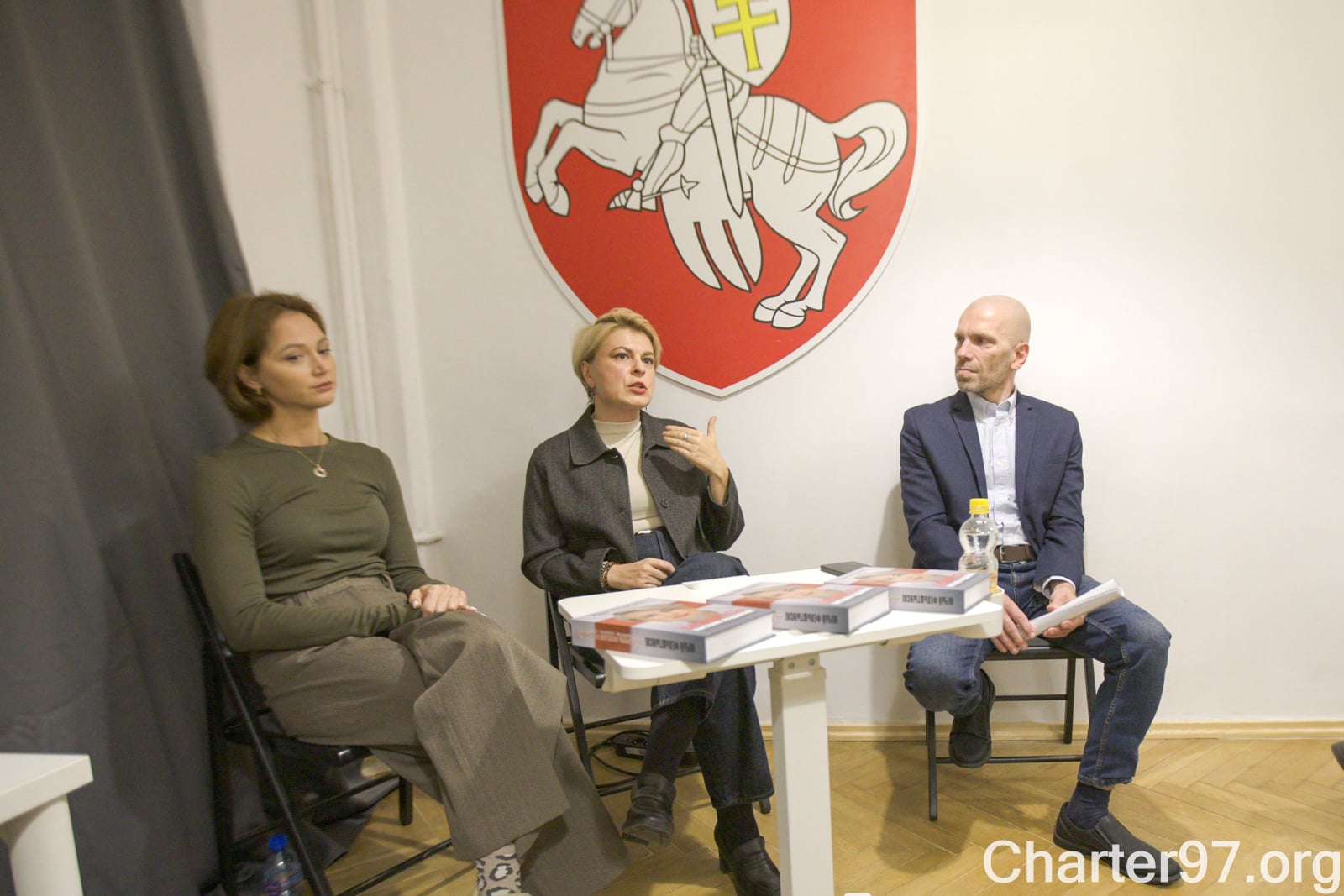
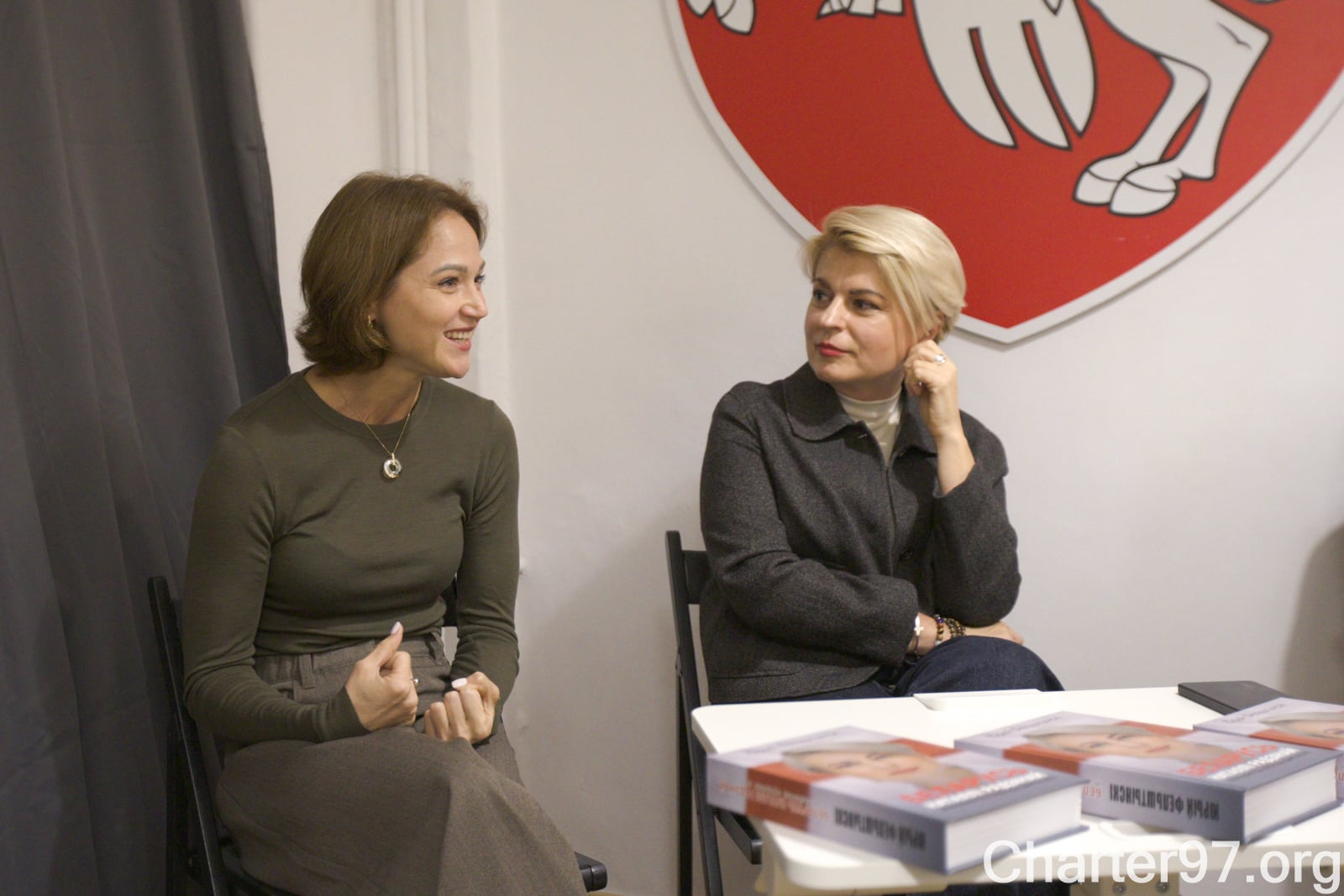
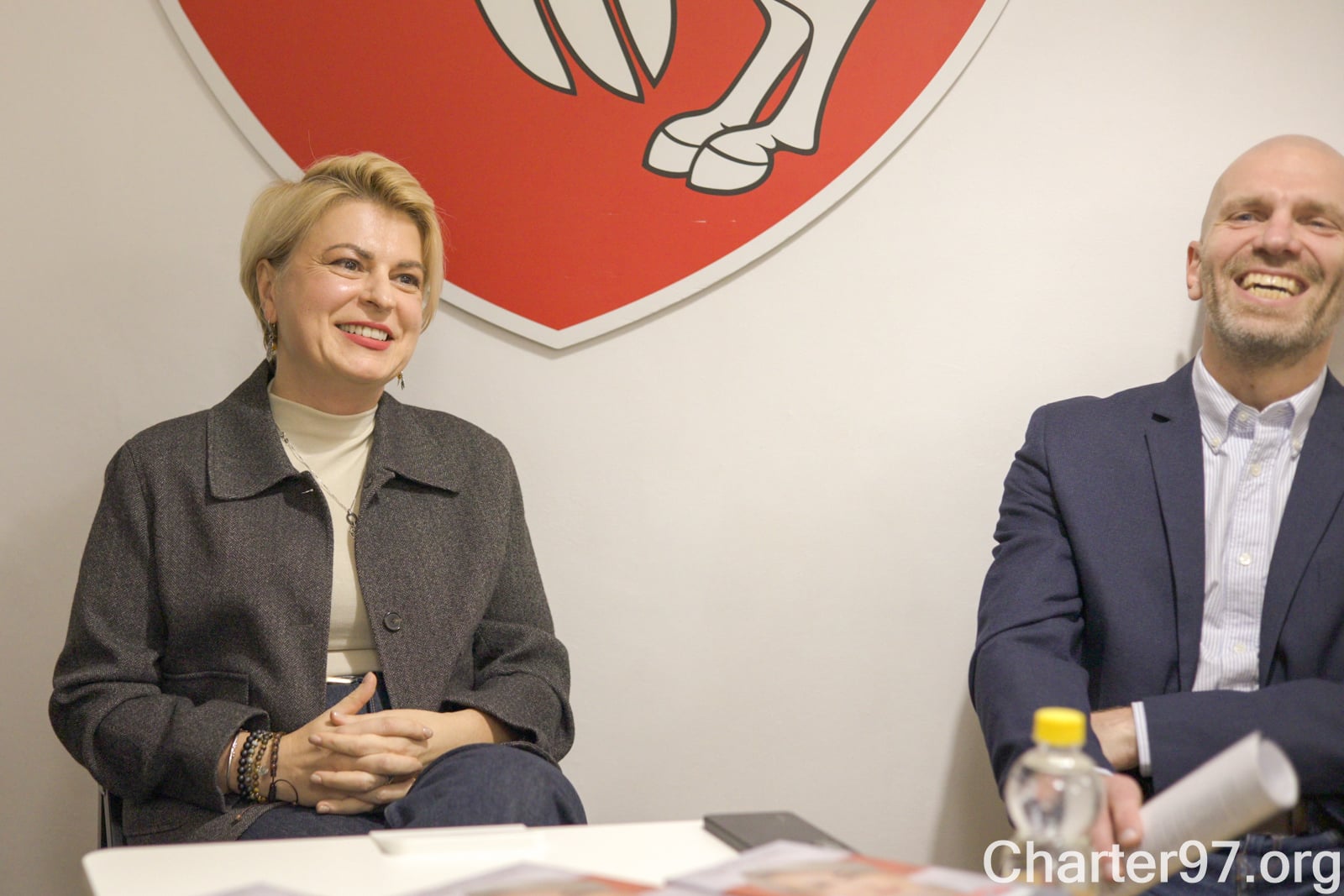
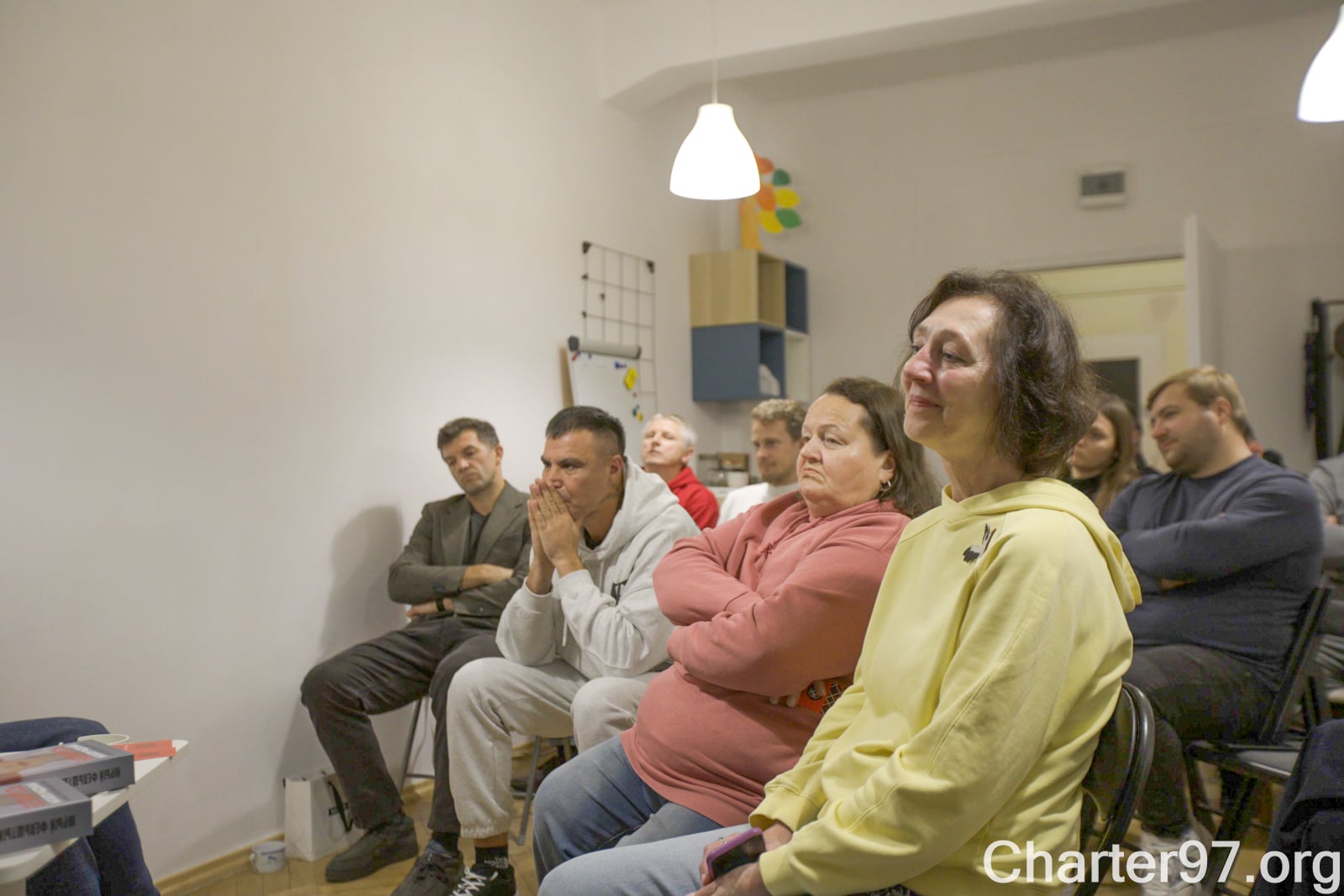
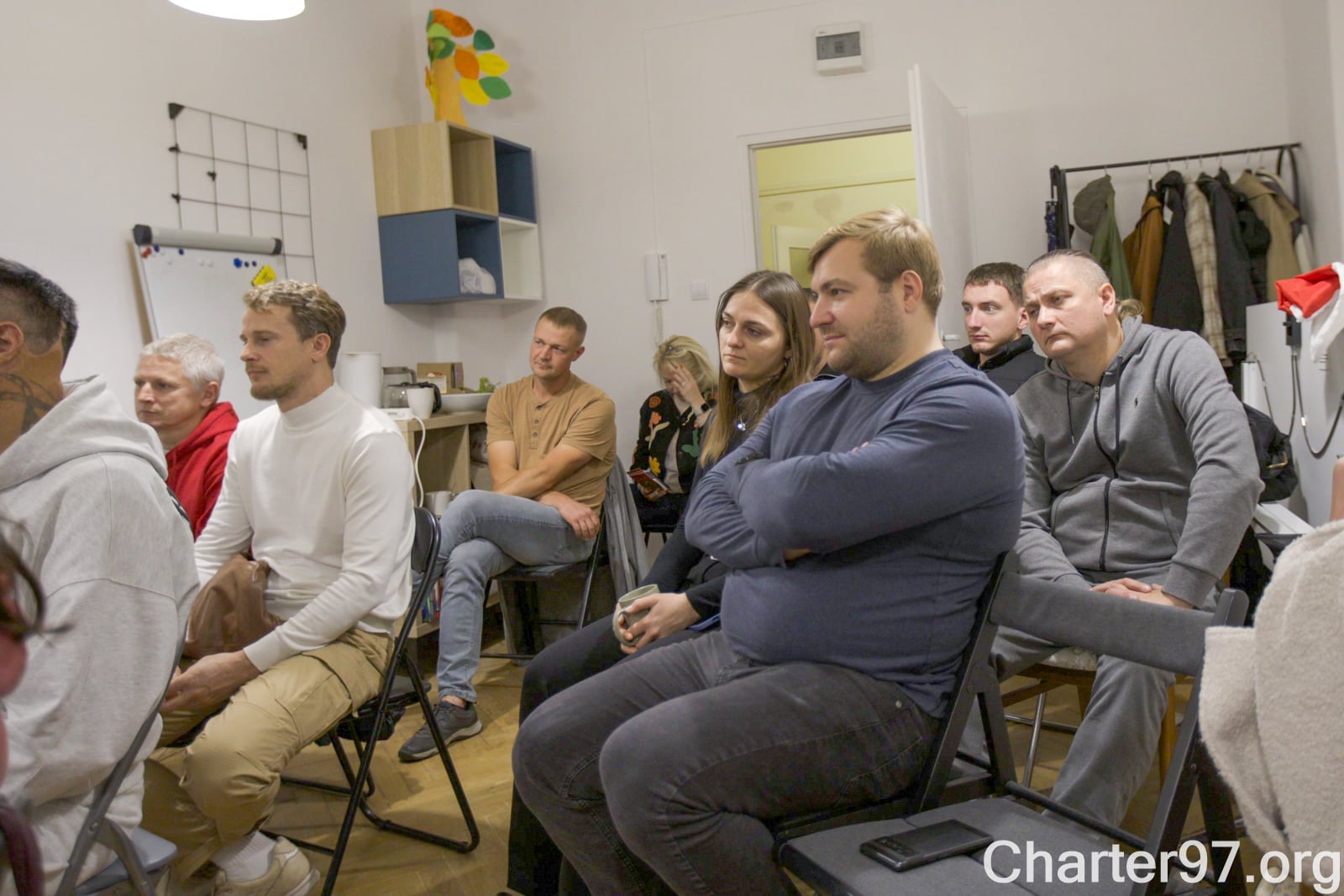
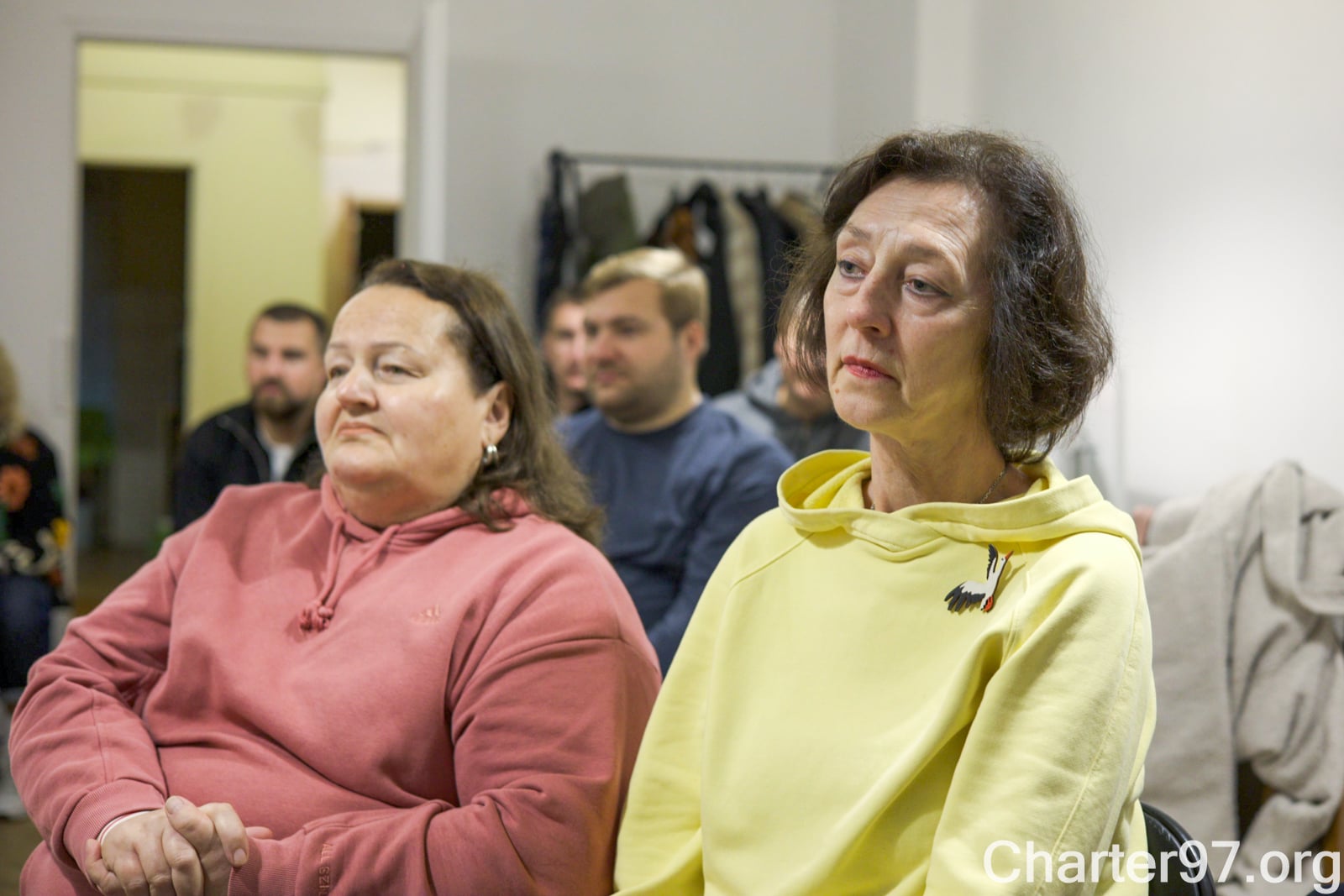
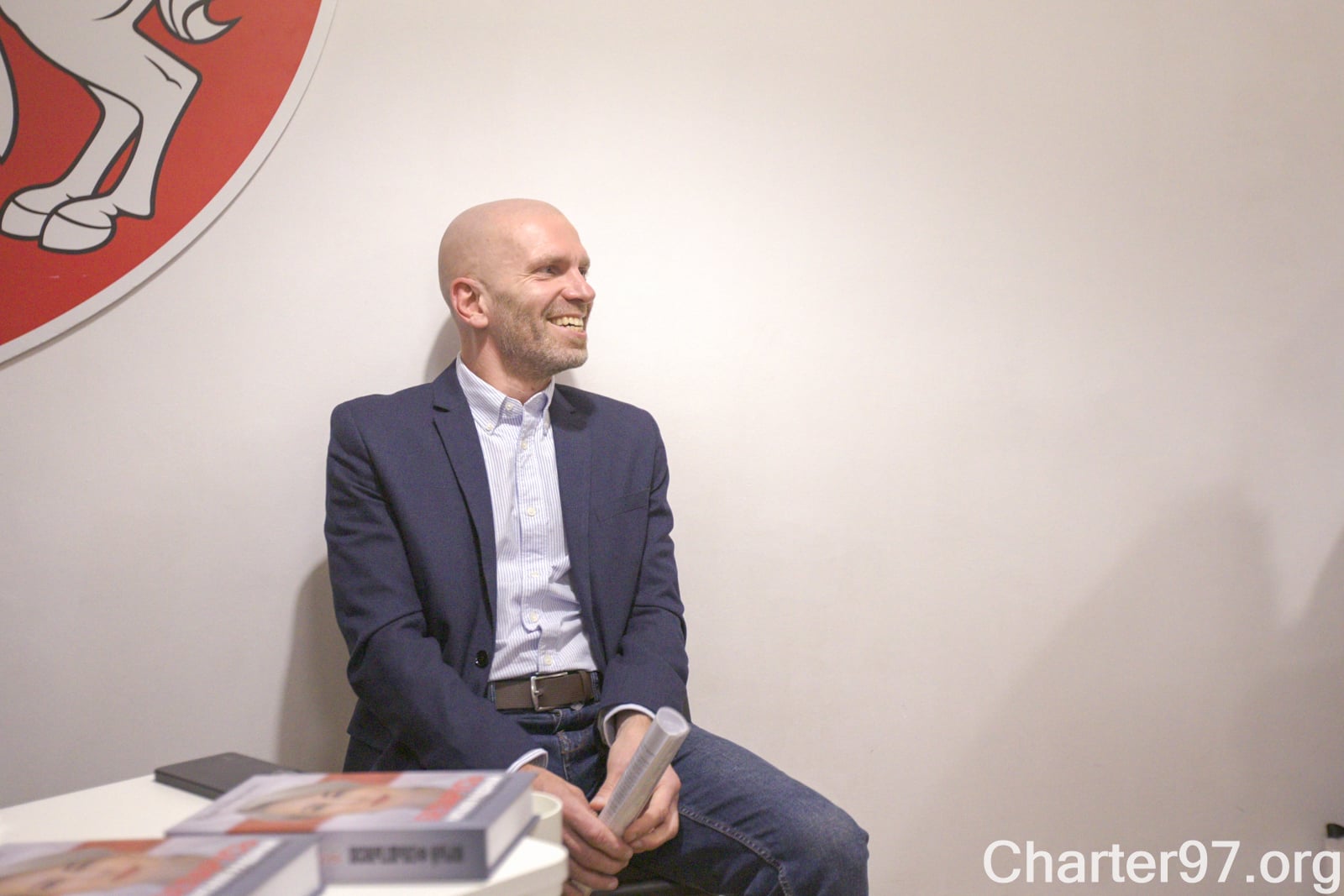
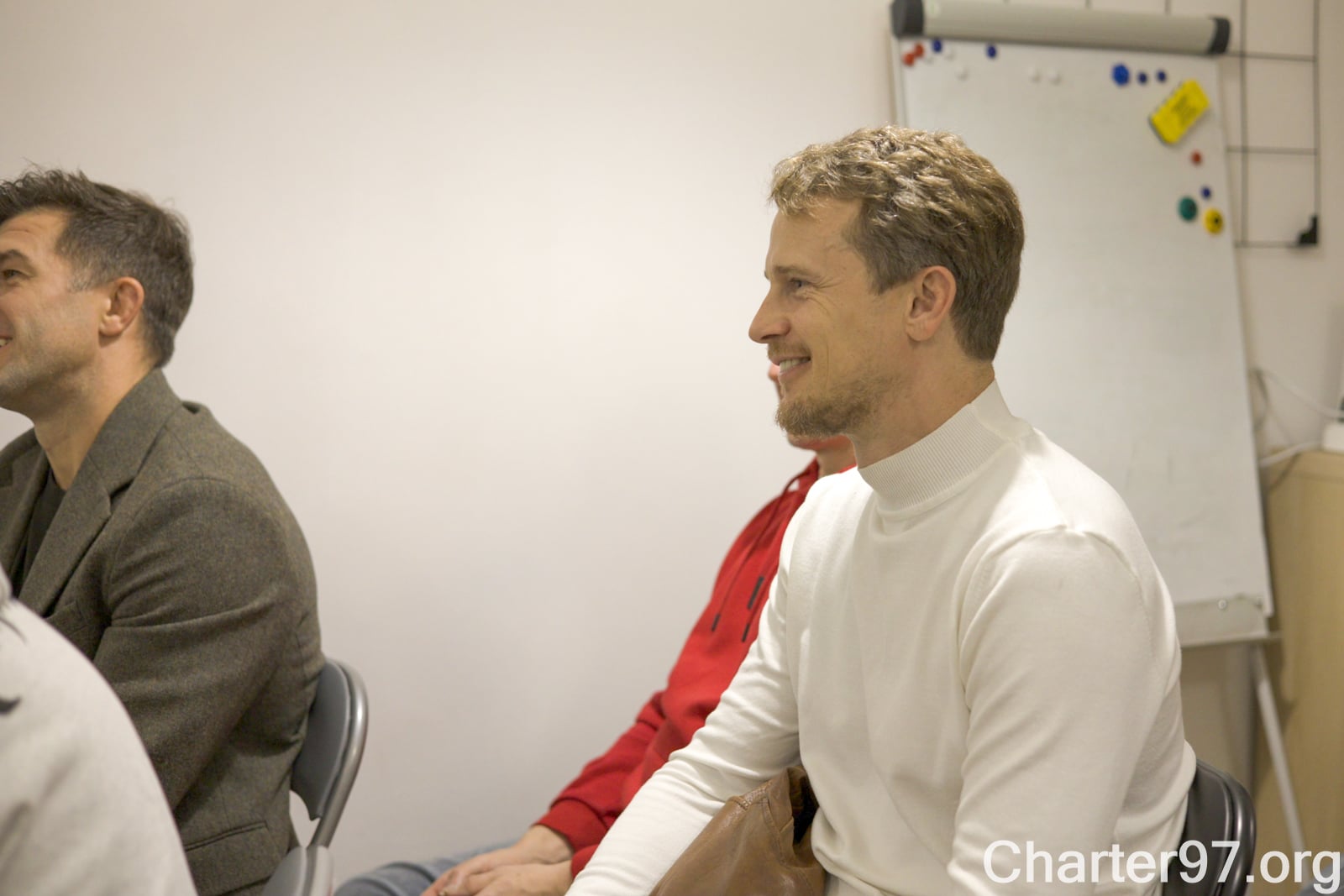
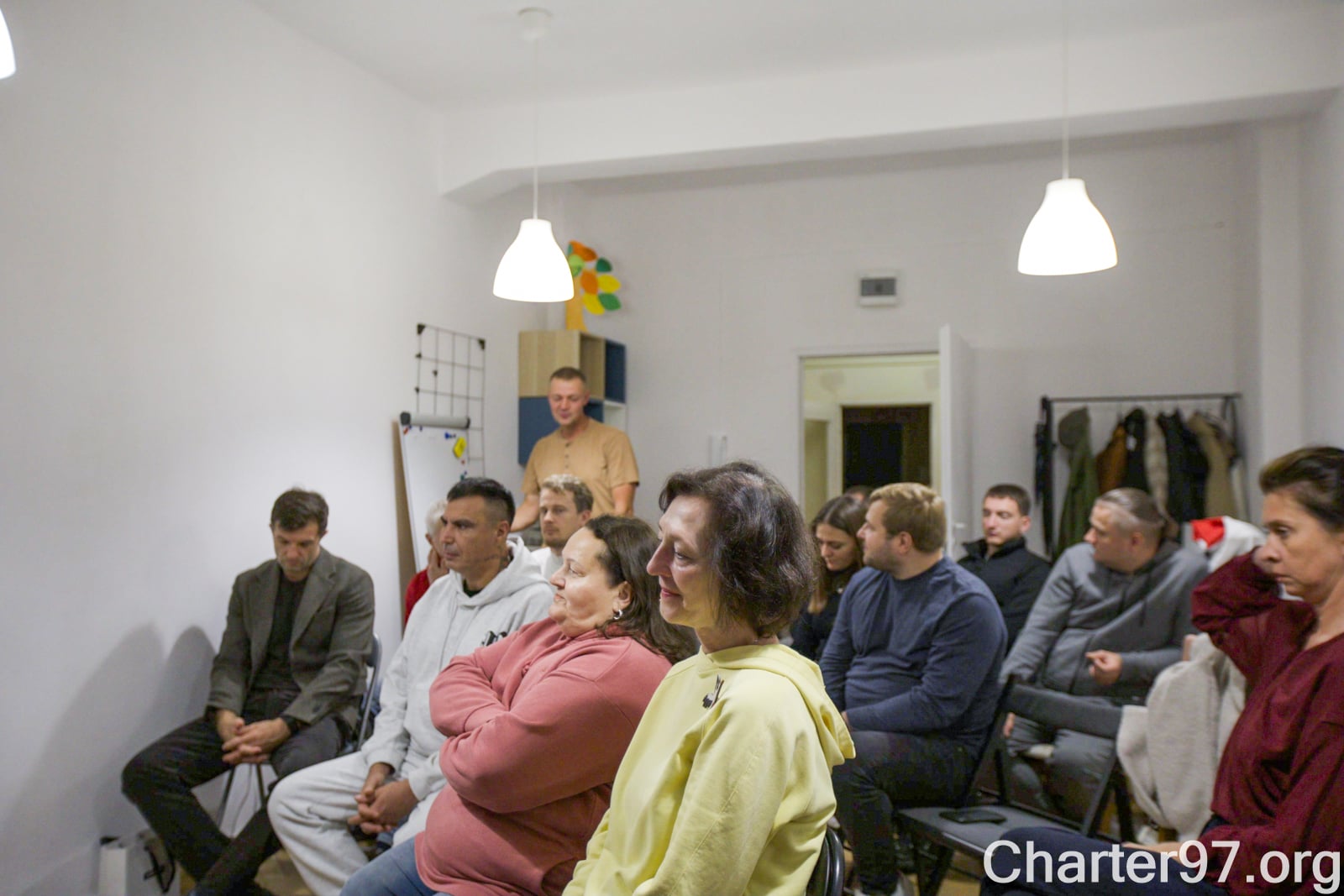
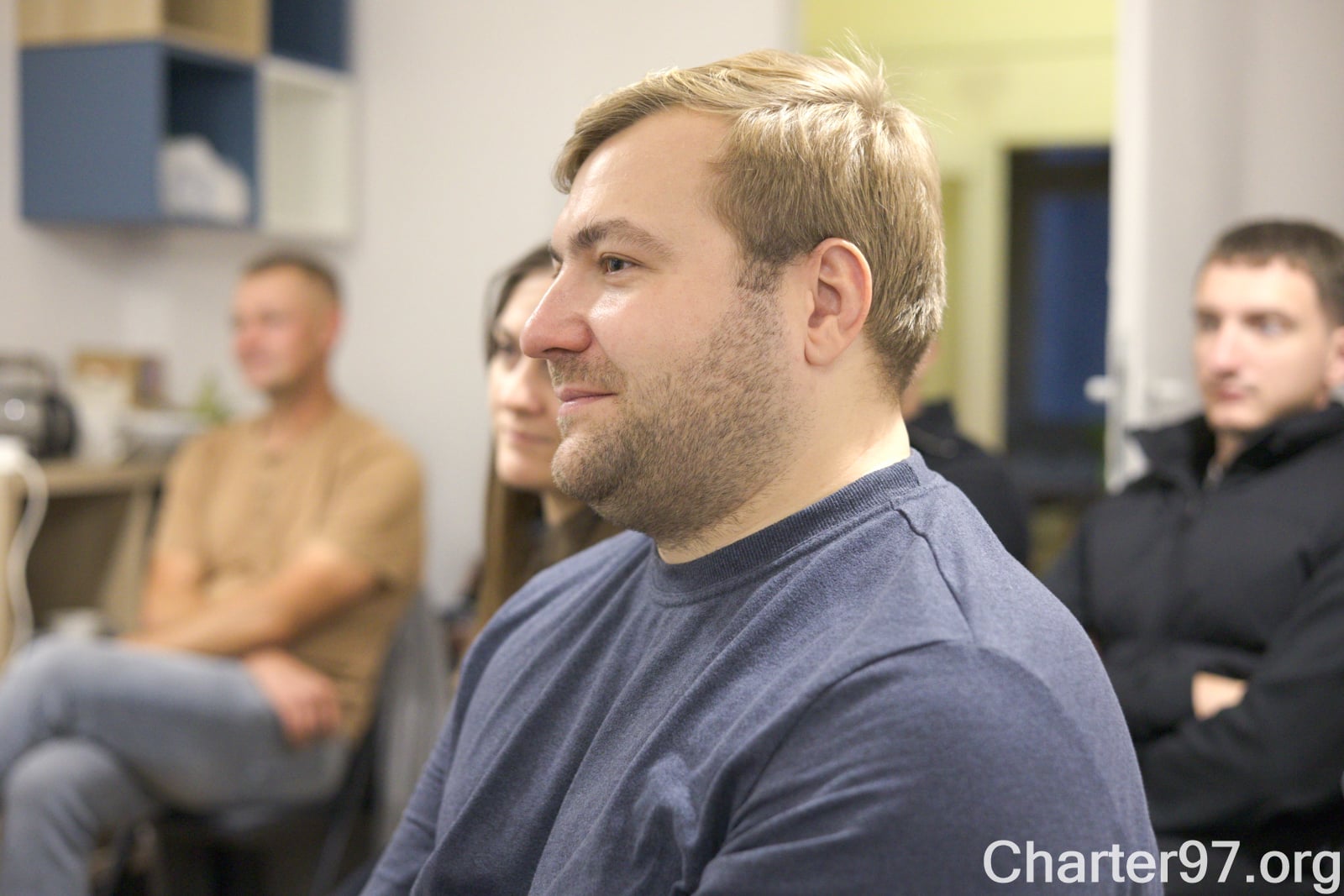
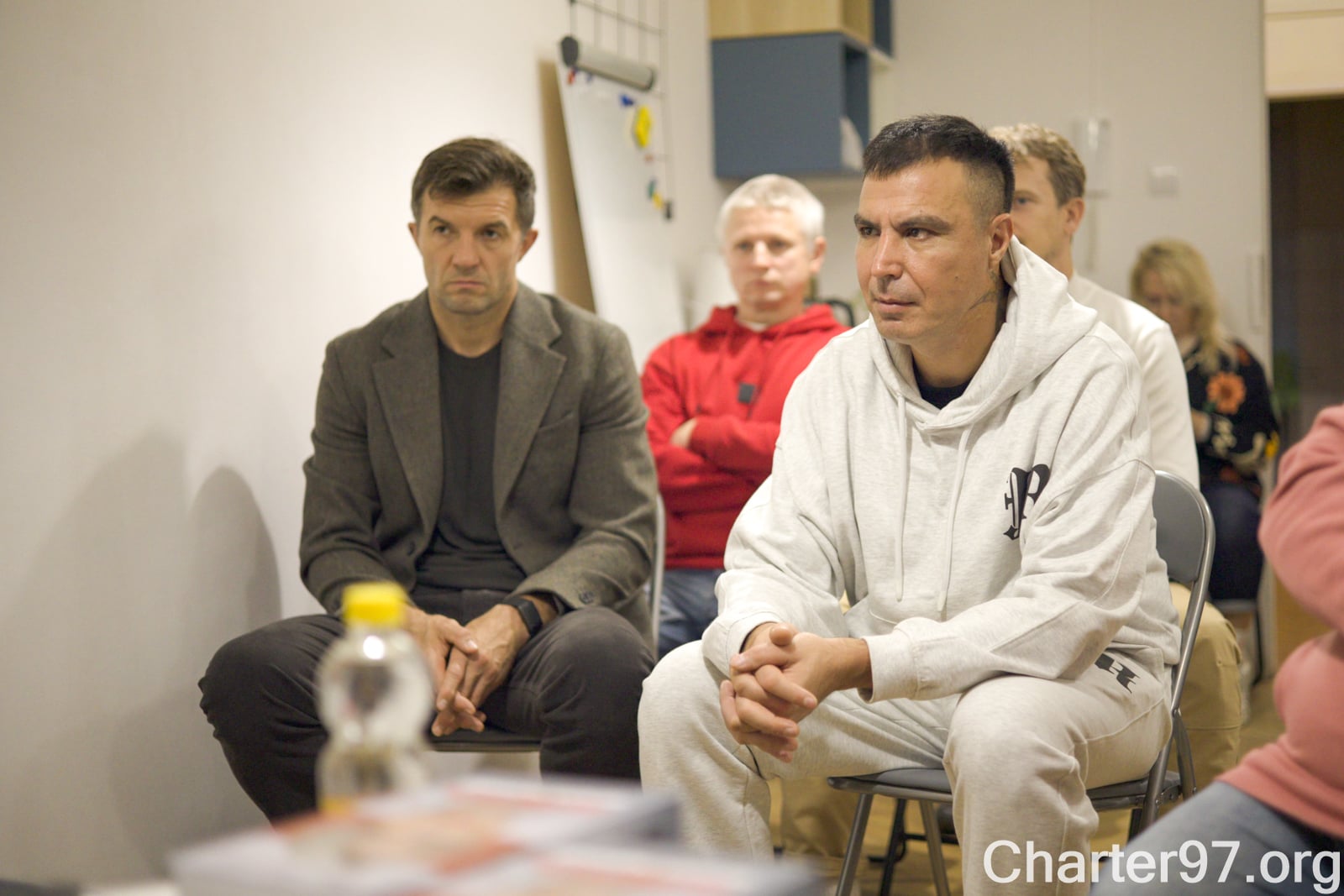
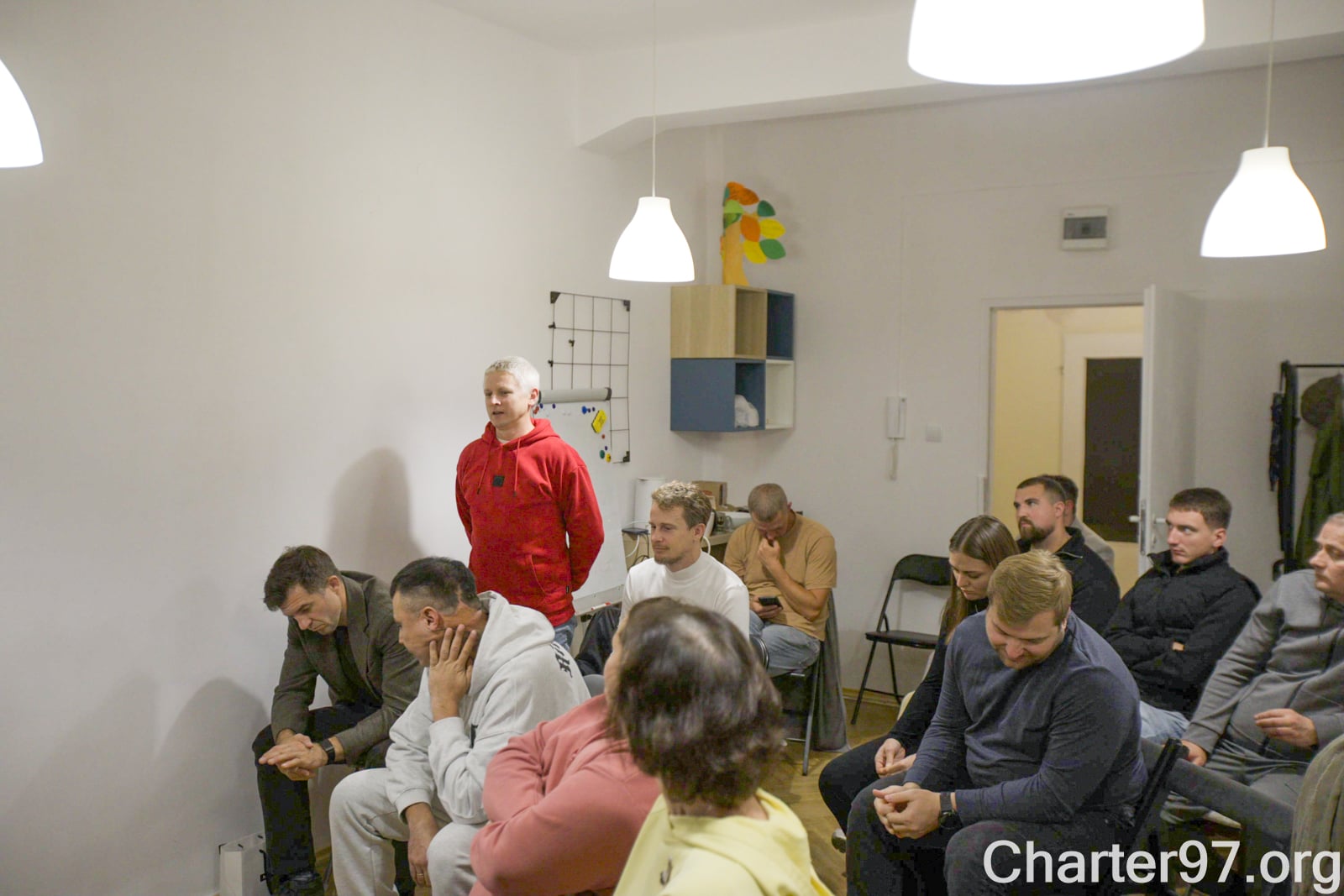
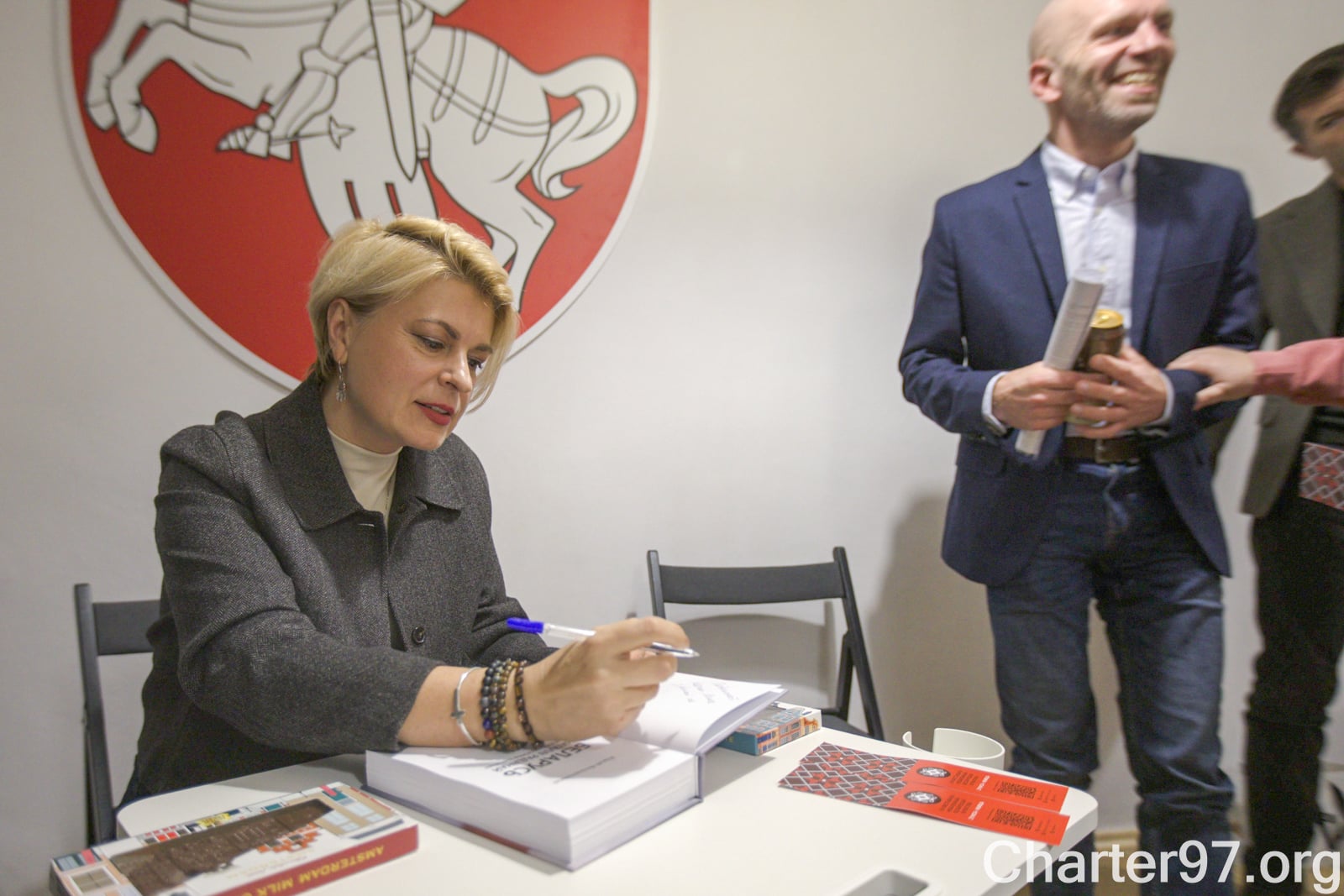
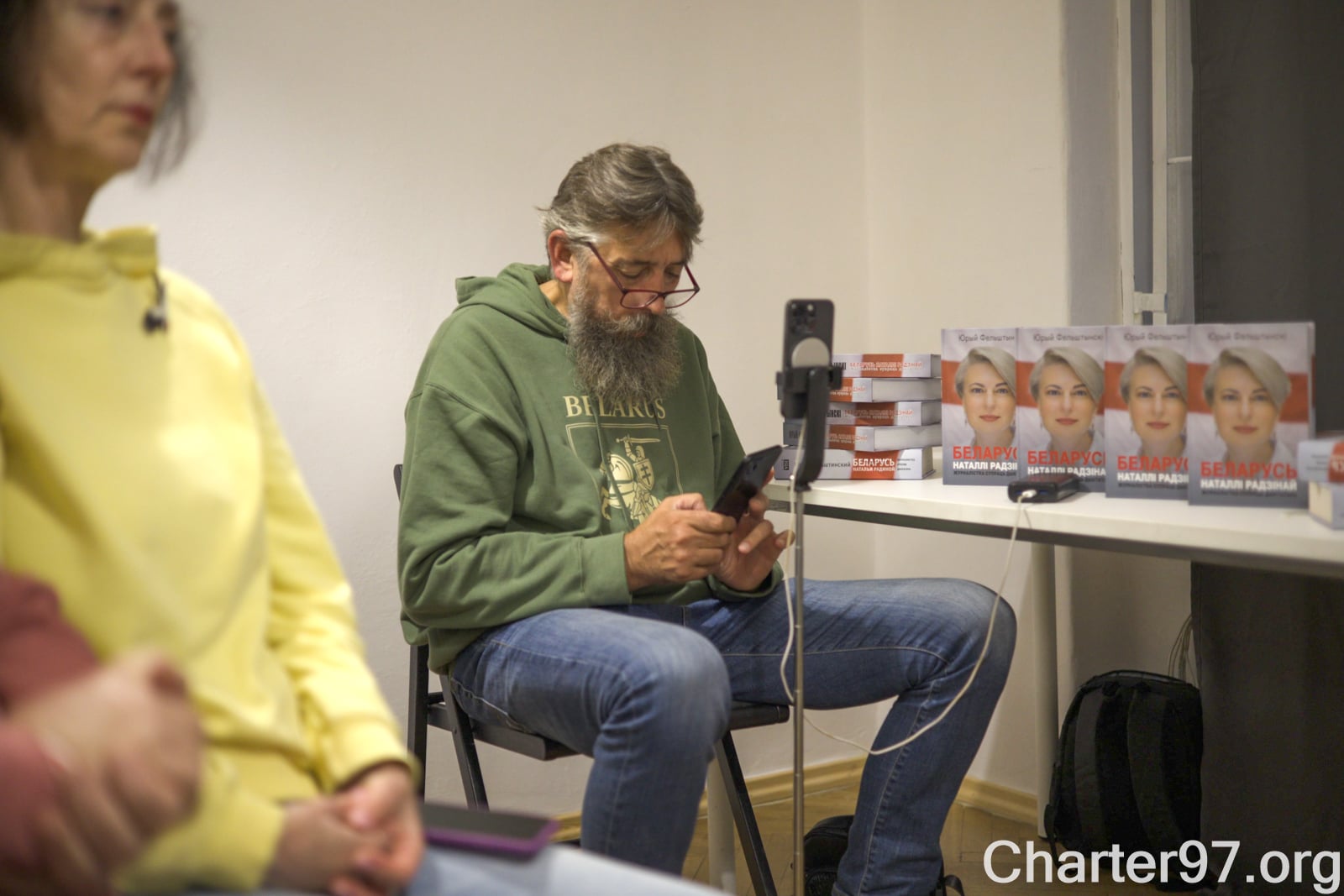
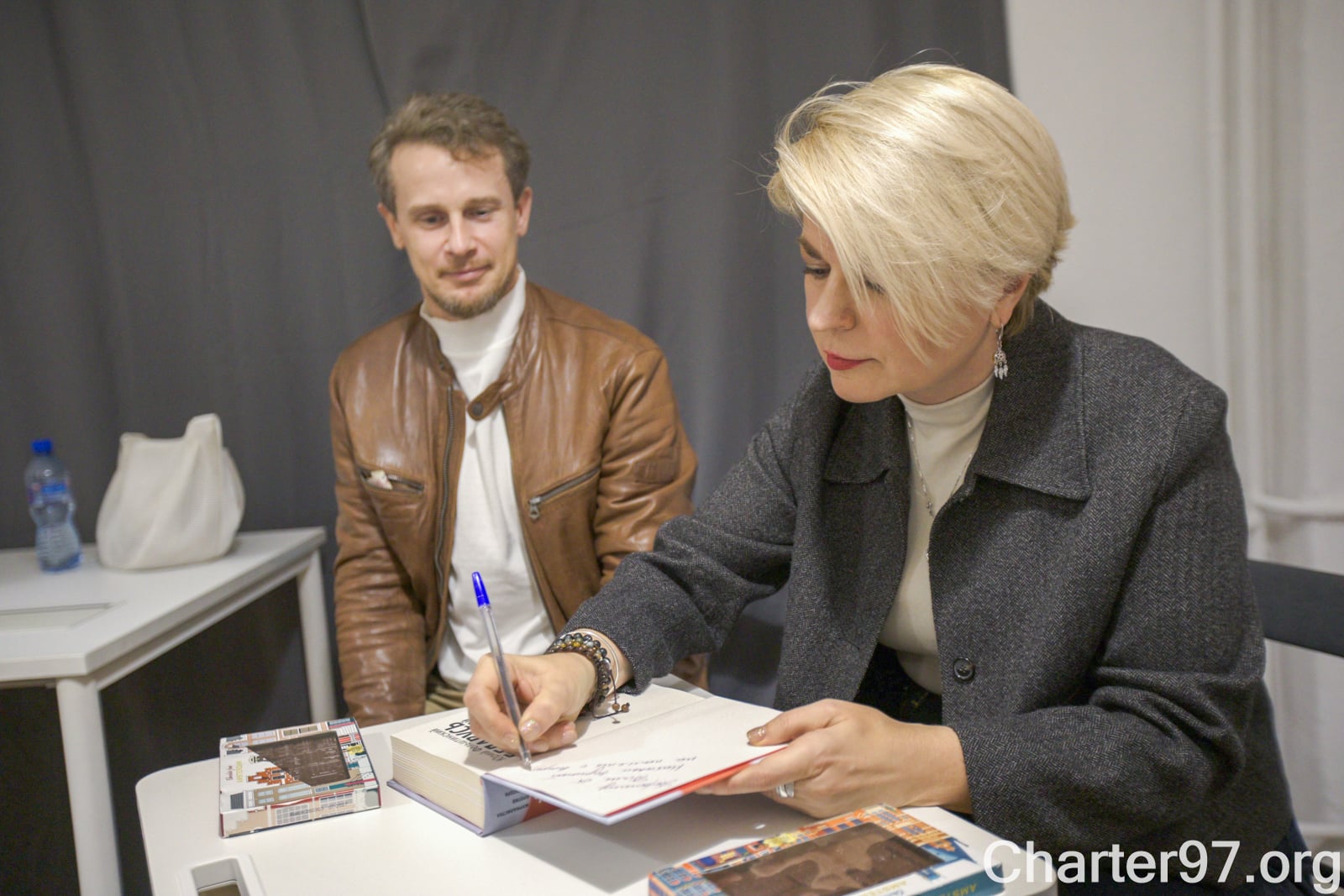
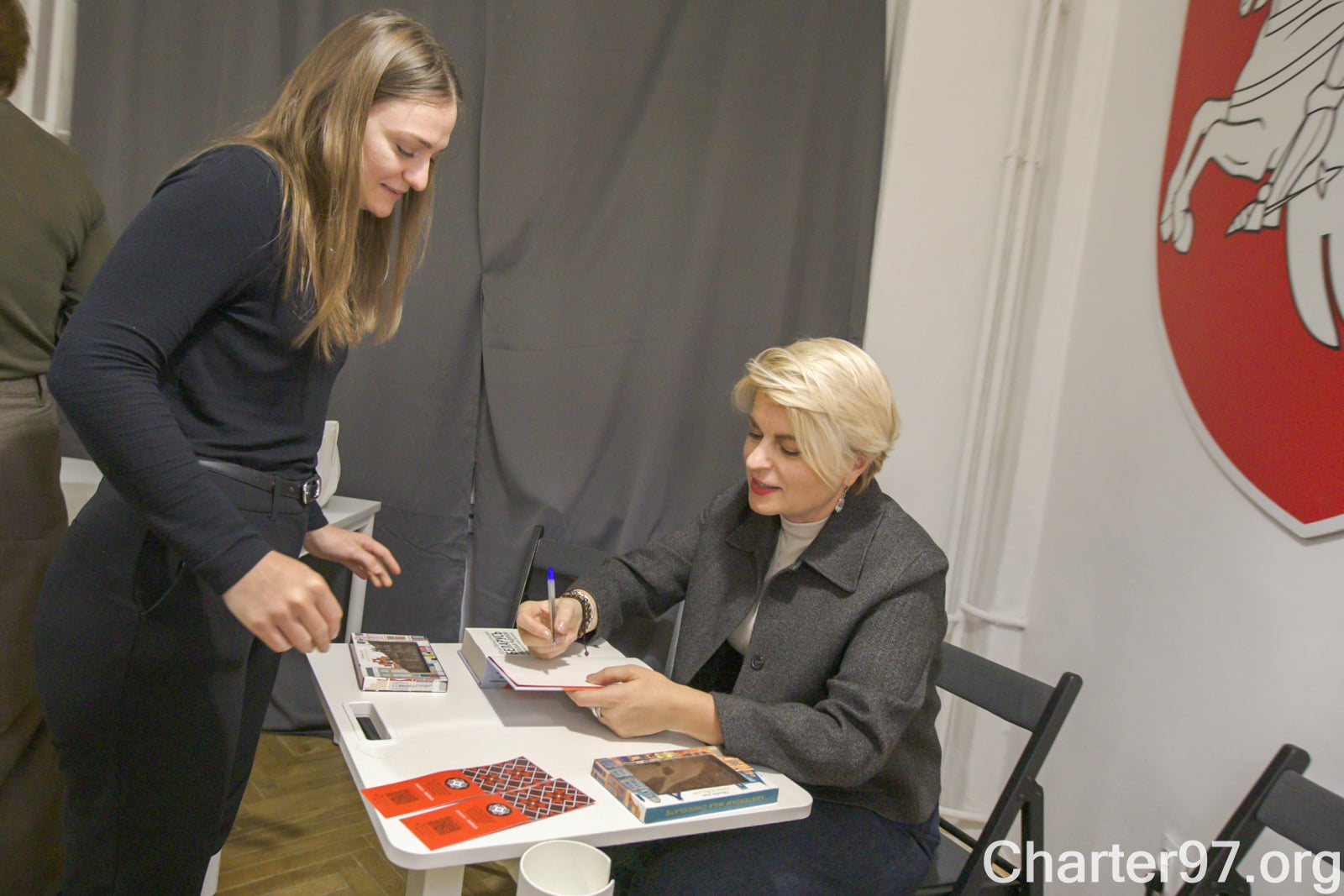
A book presentation by the renowned American historian Yuri Felshtinsky “Natallia Radzina’s Belarus” took place in Wrocław on September 24. Former political prisoners, well-known athletes, activists, and bloggers attended the event at the office of “Supolka Belarusaŭ Uroclava.” The book presentation turned into a lively discussion that took place in a warm and friendly atmosphere.
Special guests included Natallia Radzina, editor-in-chief of the website Charter97.org, world and European swimming champion and Olympic medalist Aleksandra Herasimenia, and the coordinator of the “European Belarus” civic campaign Yevgeny Afnagel, who moderated the event. The opposition politician shared his own experience reading the book:
“There are former political prisoners here, and I recalled how, while behind bars, we repeatedly discussed the events of 2020—our mistakes and achievements—in a small circle. We often talked about how important it was for all of this to be preserved for history. When I was taken to Lithuania, I learned about the book *Natallia Radzina’s Belarus*, which was an attempt at such an analysis. One of the former political prisoners with whom we had discussed this before asked if it was worth reading. I replied, “I haven’t read it, but I recommend it.” Anyone who remembers the story of Pasternak’s persecution in the USSR will understand the joke.
I read the book myself shortly afterward—it was the first one I read after my release—and since then I’ve recommended it even more to anyone who isn’t just interested in the recent history of Belarus, but also wants to help shape that history”.
“I felt that my own people were nearby, that the truth was on our side”
Yauhen Afnagel spoke about the story behind the book’s writing, as well as its author—the renowned historian Yuri Felshtinsky. He also recalled the first time he saw the book’s main character — Natallia Radzina — at the “March of Freedom” in Minsk in 1999. “After that, you, too, were repeatedly right in the thick of things, in the very ‘hot spots.’ Do you remember how it felt?”— he asked.
“I started attending opposition rallies in 1997,” said Natallia Radzina. — I felt the same way as those who took to the streets for the first time in 2020. I felt that my people were by my side, that the truth was on our side, that God was with us, and that we were absolutely happy because we had come out and could say ‘no’ to this shameful government.
I felt the same way, too. You said you wanted to ask whether I identify more as a journalist or a revolutionary. I’d dreamed of becoming a journalist since childhood; in 1996, I enrolled in the journalism department at Belarusian State University, and started working at the age of 18 for independent publications. The first ones were the newspapers *Svaboda*, *Imy*, and *Nasha Svaboda*. I was happy to see truly independent journalism, truly independent media. I was fortunate to work with such legends as Pavel Zhuk, Iosif Seredich, and Pyotr Martsev. I learned from these people.
My first direct supervisor was Oleg Bebenin, who later founded “Charta ’97,” and was killed in 2010 on the eve of the presidential election. It just so happens that you can’t be a journalist without participating in protests when your country is turning into a dictatorship. I attended every protest that took place back then. These included the legendary “March of Freedom,” as well as annual events such as “Chornobylskyi Shlyakh,” “Day of Freedom,” and “Dzyady,” when we marched to Kuropaty—the site where victims of Stalinist repressions were executed—as well as demonstrations organized by the civic initiative “Charta ’97” and, later, “European Belarus” and other political groups. Sometimes I was beaten by OMON officers; sometimes I was detained. The most severe repression began in 2010.
“There was always an understanding that you have to fight if you want your home—your Belarus—to be a free, normal country.”.
“The ‘Charter ’97’ Generation”
Yauhen Afnagel recalled talking with Natallia Radzina when “Charter ’97” was hacked in 2012 and when the website was blocked by the Lukashenko regime in 2018. According to him, at the time it felt as though someone close to her was being targeted, rather than the website itself.
“That’s exactly how it was,” said the editor-in-chief of Charter97.org. “It was incredibly stressful whenever something happened to the website.
It was especially hard in 2018, when we were the first of the Belarusian independent websites to be blocked within the country. It felt like they were killing my child, to whom I had devoted my entire life. It was actually very painful. But I immediately realized that I had to do everything possible to protest against it. We needed to generate as much attention as possible. At the time, I told all the independent media outlets that if they didn’t stand in solidarity with “Charter,” they would be next. Some journalists supported us, for which I am very grateful to them. Others did not; they decided that if they stayed on the sidelines, they would “get off scot-free.” In 2020, no one “got off scot-free.” They blocked everyone.”.
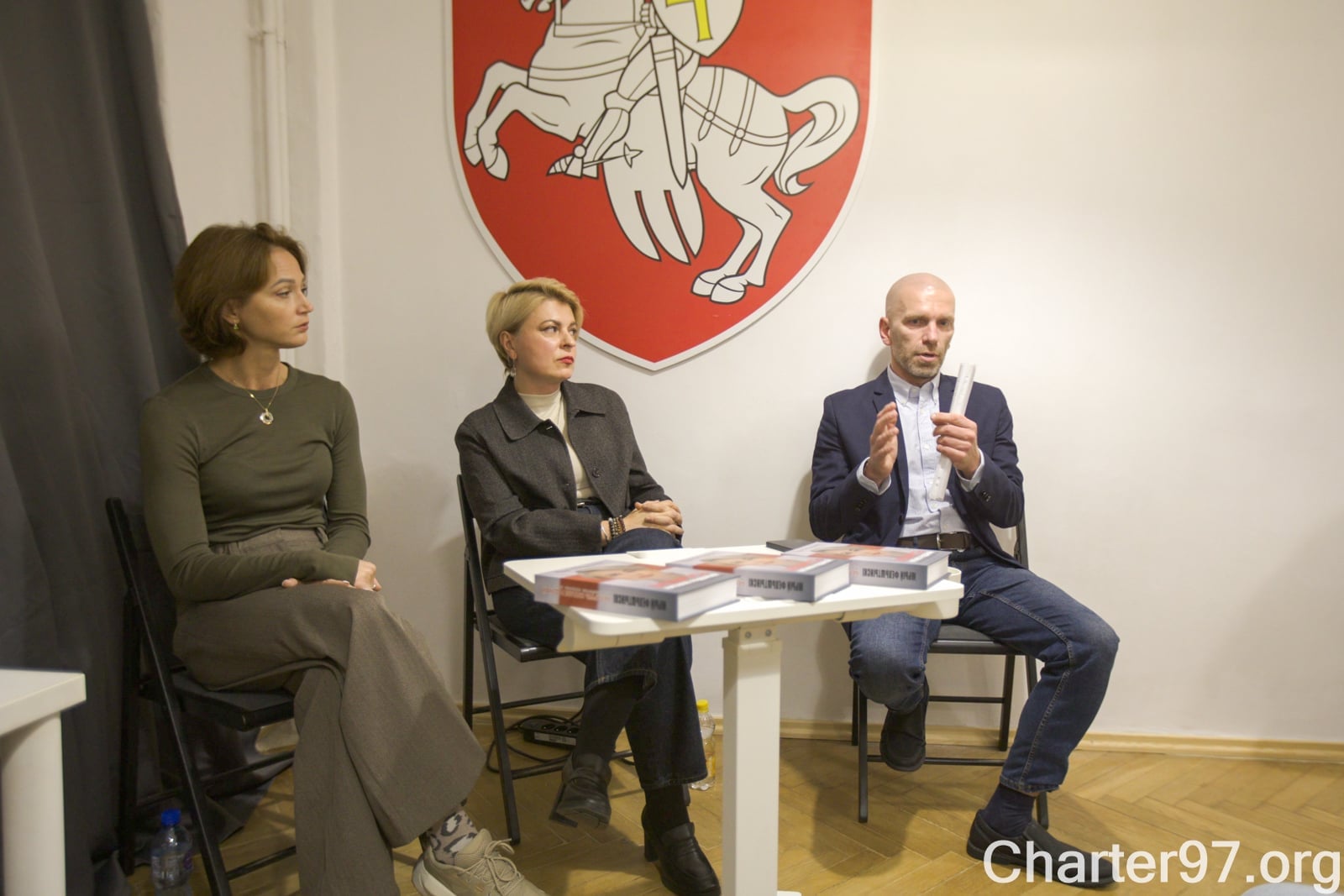
Yauhen Afnagel noted that “Charter,” despite being blocked, was—and still is—the most popular Belarusian website, and asked her to share the secret of its success.
“We’ve always told the truth,— Natallia Radzina emphasized. — Not just since 2020, but right from the start, beginning in the 1990s. We’ve never wavered in our stance, remaining staunch opponents of the regime. And we’ve always believed—and continue to believe—that Belarus will become free. That is our mission—to give Belarusians hope”.
The coordinator of “European Belarus” recounted a conversation with one of the resistance activists, who referred to the Belarusians who have taken to the streets in protest over the past 25 years as “the ‘Charter’ generation”—a website that not only wrote about the struggle for freedom but also brought together people who care about the country’s future. “What is our mission as a generation?” he asked.
“I’ve always understood that our goal is to liberate Belarus,” said Natallia Radzina. “I’m sure we’ll still have the time and energy to build a democratic country that will become part of Europe and treat its citizens with respect,”.
“Actually, that’s an interesting question, — added Aleksandra Herasimenia. — Look, many Belarusians were forced to leave. Many want to return. But we live in different countries, gain experience—including professional experience—and see how others live. Why not think about how we can apply this experience in Belarus? We’re in the EU now; there are different rules here, different ways of doing things, a different culture—you can even tell just by standing in line. I lived in Ukraine for a year and found things there, too, that could be useful in Belarus. Yes, these are just dreams for now, but…”
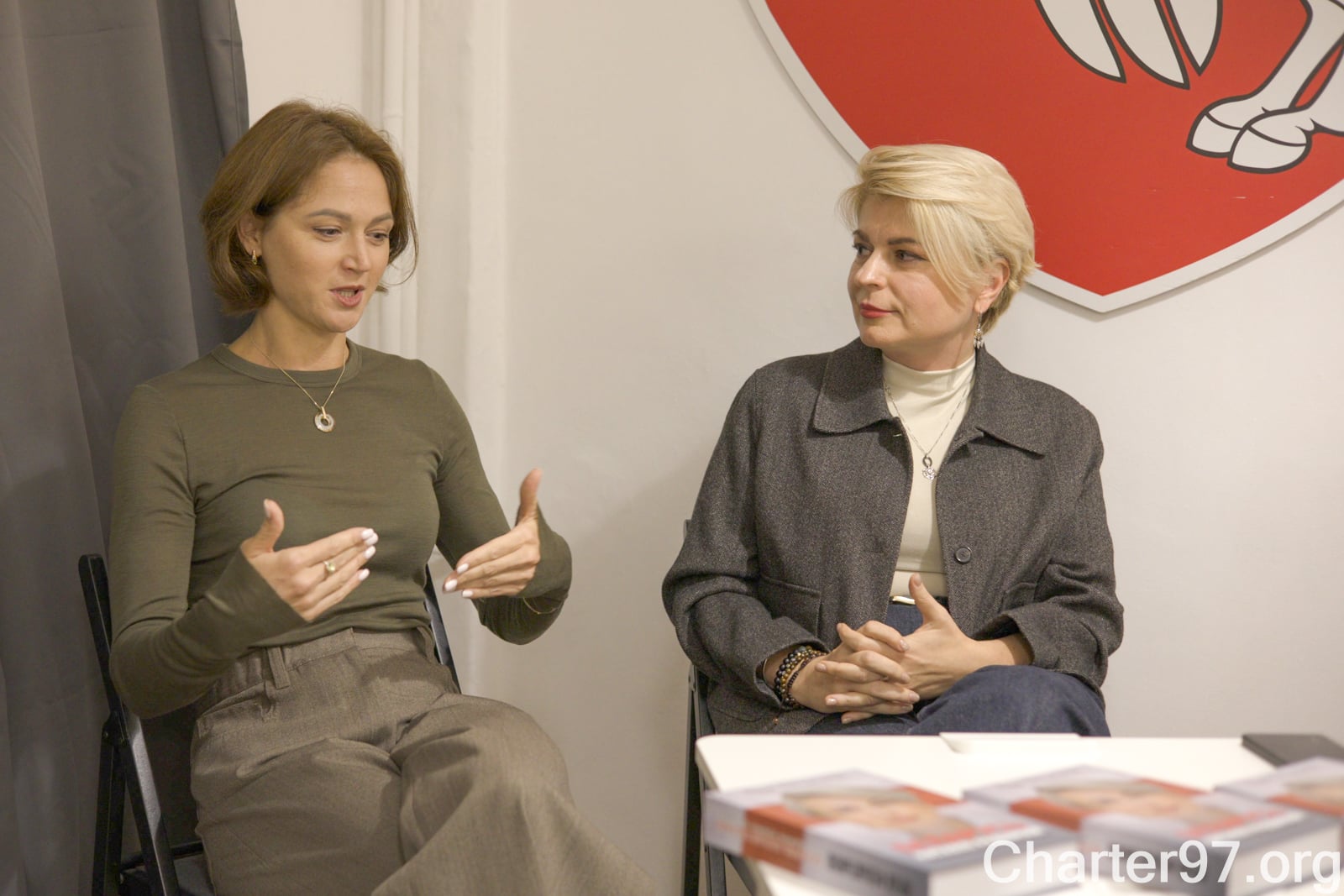
“Why not? — said Natallia Radzina. — We’ll return as different people—that’s exactly what we were talking about before meeting with the young people, the former political prisoners. The experience and knowledge we’re gaining here will be very useful in the new Belarus. We’ll need all the best that’s out there.
We’ll need to bring Belarus back into Europe and make this process irreversible, so that the country doesn’t fall back into dependence on Russia. Today, it’s very important to explain to Europe just how much it needs Belarus, and Yuri Felshtinsky’s book makes exactly that point: that our country is the key to the security of the entire continent.
You cannot speak of a safe, democratic, united Europe if Belarus is not part of it. If this bridgehead remains in Russia’s hands, it will continue to threaten with missile and drone strikes, nuclear weapons, and invasion.
Some time ago, Zbigniew Brzezinski wrote a book titled *The Grand Chessboard*, in which he explained just how important Ukraine is to European security. I had the chance to speak with him; we met in Bratislava at the Globsec international conference in 2013. I told him then that I had read the book and that it was a shame so little attention was paid to Belarus in it. I asked, “Do you understand how important this territory is?” He said, “I understand now.”
“The Main Thing Is to Remain Human”
The conversation at the meeting wasn’t limited to politics; many more personal topics came up. Natallia Radzina talked about how her life is connected to Wrocław and its surroundings:
“From the time I was born in 1979 until 1986, I lived very close to here, in Legnica. My father was in the military. I remember that time well; we were friends with Poles, and when I returned there with my father 30 years later, we found the families we used to socialize with.
My father, by the way, was very happy that, as a soldier, he didn’t have to take part in suppressing the protests in Poland during the “Solidarity” era. The Soviet Army wasn’t involved in that.”
Aleksandra Herasimenia recounted how she and Natallia Radzina met and became close friends.
“To be honest, I still can’t get her to go swimming with me,” said the Olympic swimming champion, eliciting friendly laughter from those present. “But we’ve known each other for a long time. Natalia used to call me to conduct interviews.
In 2022, I was living in Ukraine after arriving from Vilnius. The war broke out—it was a terrible time. I was there with my family. The first 24 hours were the very, very longest. I didn’t know what to do. And about a week before the war started, Natalia and I met in Warsaw. I was there on my own business. We talked about life, the protests, and our goals. After that, I returned to Ukraine. Natalia kept telling me that there would be a war, that I needed to take my family and go to Poland. I kept refusing, but in the end I realized I had to leave—first and foremost for the sake of the children.
Natalia was the first person to message me when the war started. She suggested I go to Poland, so I packed all my things and left. In Warsaw, Natalia was the first person I met. She helped me get settled, rented an apartment, and brought bags of groceries. We were just in shock back then. And I’m so grateful to Natalia for that meeting. After that, we started seeing each other often and talking. We realized we share the same values. And even though I’m from the world of sports and she’s from journalism, the main thing is to remain human. We share the same views and goals. We know we’ll return to Belarus—I don’t know when, but we’re doing everything we can to make that happen.”.
Finding something new, challenging, and interesting for myself
The conversation also touched on life in exile, its difficulties, problems, and challenges. Aleksandra Herasimenia offered simple advice on how to push yourself forward, saying that “the best cure for depression is the gym”. She was then asked how to motivate oneself to exercise or—more broadly—to simply try something new.
“Just show up and give it a try,” replied Aleksandra Herasimenia. “I’ve talked to a lot of people, including athletes. They’d tell me, ‘I just don’t want to do anything.’ But you have to start. You show up and start doing something, and then you just can’t stop. Of course, it can be tough—you have problems, you’ve had a falling-out with someone, your mind is all over the place. You need to switch gears.
I don’t know what depression is, because I simply don’t have time for it. I always have new tasks. Work takes up most of my life, but I really do love it. Sometimes I get tired, but when I come to work, I forget about everything and leave there a new person. I realize this happens because of the exchange of energy with the people I work with. You can’t work without feeling that bond that connects us. We just need to support each other—not necessarily financially, but simply with a kind word”.
““To avoid getting depressed, you need to keep yourself busy,” added one of the meeting participants, world sambo champion Stepan Popov. “Find something new, challenging, and interesting for yourself.” I discovered jiu-jitsu; I used to practice sambo. Now, two years later, I’ve started competing again. There’s a lot to learn and master. It works both the mind and the body—though I do want to sleep more because I train so much. But there’s definitely no depression. I need to pursue my professional career, grow, and not forget about Belarus. The experience I’m gaining here can be applied there as well. I’m opening a gym, thinking about how to create a chain of gyms, and watching how the Poles do it.”.
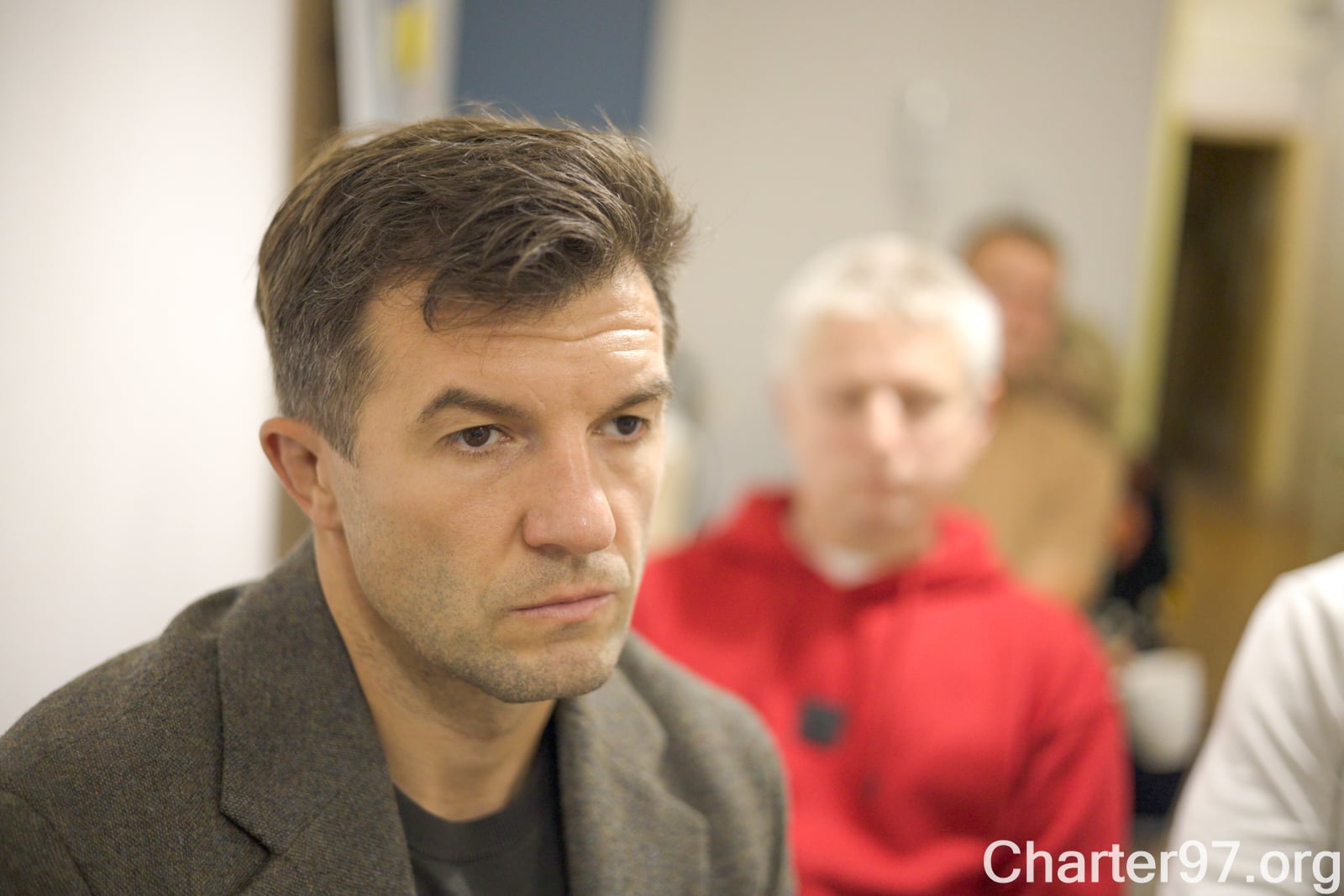
“Old age isn’t about the numbers in your passport, ” said Aleksandra Herasimenia. “It sets in when you think you can’t do anything anymore, that you’re tired. The main thing is to learn something new. Swimming, playing the guitar, going dancing, or something else. As long as you’re learning, your brain keeps developing”.
There’s no need to wait for leaders or create idols
The conversation turned back to the events of 2020, the reasons for the revolution’s defeat, as well as what is currently happening both in Belarus itself and within the diaspora.
“This situation isn’t new to me; something similar, though not on such a large scale, has happened before,” said Yauhen Afnagel. — Some people organized protests, took to the streets, and went to prison, while others took advantage of the situation.
I remember the summer of 2020 and what it was like from the inside. We met and spoke with representatives of Svetlana Tikhanovskaya’s campaign headquarters. We discussed the obvious—how to seize power when the absolute majority of the country’s population opposes the dictator. There’s no need to invent anything here: take to the streets, hold a national strike, protest every day in the center of the capital. Not just on Sundays, but every day. Note that many people understood this: even though the campaign headquarters spoke only of weekend protests, the daily rallies on Independence Square in Minsk drew 20,000 to 30,000 people. The same was true of the neighborhood watch groups that emerged after the “solidarity flash mob,” when people would open their windows in the evenings, bang on pots and pans, and play music”.
“I recently watched an interview with Franak Večorka. He said that in early 2020, he had no idea at all that there would be a revolution,— added Natallia Radzina. — He said he didn’t believe it would happen and wasn’t preparing for it. But we knew about it and were talking about it. I spoke up, and Yevgeny spoke up too”.
“Now we need to think about what we can do together. I really didn’t like it when, in 2020, the opposition was—in my view—artificially divided into ‘old’ and ‘new.’ People who had vast experience—including in organizing protests—were sidelined. Everything was led by the so-called “new oppositionists,” who said: “We know everything without you,” “We’ll win on our own”—they were already dividing up the portfolios—who would run what, who would head the National Bank, who would lead a ministry, and who would be prime minister. It was just ridiculous.
And, of course, it was strange to me that Pavel Latushko was declared the leader of the opposition—I had known him back when he was the Foreign Ministry’s press secretary, when I was a journalist and attended press conferences in 1997and 1998. Back then, he would stand there with a piece of paper and read out the official position of the Ministry of Foreign Affairs. That was already after the 1996 coup, when Lukashenko seized power and became a dictator. After that, this man spent 23 years kissing up to that dictator. When he now says, “I am the leader of the opposition; I have always been for democracy,” I don’t believe him.
And there are plenty of people like that in Tikhanovskaya’s office. Remember Lieutenant Colonel Alexander Azarov of the GUBOPiK , who served in the so-called “united cabinet” as some sort of “minister for restoring law and order.” It’s terrifying—how can people like that be leaders? How did the “Peremoga” plan end, and how many Belarusians ended up behind bars because of it? The entire movement cannot be led by people who built a dictatorship.
Svetlana Tikhanovskaya is also a completely incompetent person and cannot lead the entire opposition. In fact, we needed to bring together people who have knowledge and experience. We shouldn’t have divided Belarusians; instead, we should have decided together what to do. In this book, I describe how we tried to communicate with Tikhanovskaya’s office, with Franak Vechorka personally, and with Pavel Latushko; how many meetings there were, how many conversations took place, and how I personally urged Svetlana to announce the start of a strike in August after she left for Lithuania.
If that had been done back then—if people had been called upon to go on strike—we could have won. We could see back then that the security forces were wavering; they didn’t know what to do. They were afraid of this popular movement. There were many mistakes, and we need to talk about them openly.
There needs to be a public discussion; we must not be afraid of this, and we shouldn’t assume that someone is trying to compromise or “discredit” us. These are the quarrels between husband and wife Tikhanovsky, the scandals, the arrests that are taking place, the secret service agents who are being exposed, and the head of the “Coordination Council,” Anzhelika Melnikova, who fled with money to Minsk—all of this discredits the opposition and demoralizes people”, said the editor-in-chief of the website Charter97.org.
One of the questions concerned the appropriateness of nonviolent resistance in 2020 and today.
“I’d like to note right away that in the history of postwar Europe, there are almost no examples of violent revolutions succeeding,” said Yauhen Afnagel. “But there are more than enough examples of nonviolent resistance succeeding.
Nonviolent protest should not be confused with indecisive protest. There are many methods of nonviolent resistance. Let me give an example: In 2001, during the protests, we occupied a building in downtown Minsk, which became the opposition’s headquarters. That, too, was a nonviolent protest. There are other methods as well. Unfortunately, they were not fully utilized in 2020. The 200,000 people who took to the streets at that time could have easily taken control of the city into their own hands. And no one would have stopped them. No force could have stopped 200,000 peaceful but determined people. Both the military and the police understood this. And one more point. All right, I’ll concede that armed resistance is possible. Tell me, how many regiments, battalions, and companies do you have? How many weapons? Because the other side has all of that.”.
Natallia Radzina answered a question about the so-called “Coordination Council.” The editor-in-chief of the website Charter97.org explained why she stopped following this organization:
“Unfortunately, all of this has turned into something very questionable, especially after the incident involving ‘spokesperson’ Anzhelika Melnikova, who, in my opinion, is a KGB agent. She headed this organization and was aware of all the details. And we can’t even say for sure how many other people in Belarus have fallen victim to this special operation. I think there are a great many.
That’s why I believe all of this is pointless. It’s just a waste of money. All these offices, coordination councils—it’s just a squandering of millions in European funds that could have gone toward helping people who’ve been through prison. How many prisoners are being released now—do they receive a thousand or two thousand in aid? They’re given housing—some room in a communal apartment—for just a few months. That’s all they get. And where does all this money go—for these trips, motorcades, houses, Tikhanovskaya’s security detail, and “Mercedes” cars?
Never before has an opposition leader lived in such luxury. There has never been a situation where two million euros were spent exclusively on supporting a single opposition leader. Yet, according to reports in the Lithuanian press, that is precisely the amount that was spent on supporting Tikhanovskaya and her family in Vilnius— and likely the same amount is being spent in Poland right now. That’s a colossal budget. Just imagine how many media outlets could be supported with those two million euros a year?
It strikes me as odd when I meet Belarusians and they say, “Oh, Natalia, do you ride the subway? Why don’t you have security?” Why would I need security? I’m just as much an emigrant as you are. It doesn’t matter that I’ve been in the opposition for thirty years and run the most popular Belarusian website. So what? I don’t own a home here. I live in a rented two-room apartment; I don’t have my own car. I ride the tram, walk, or sometimes take a taxi when I’m in a hurry. That’s normal.
I’ve always known—and I write about this in my book—that you can’t make money in the opposition. We join the opposition to fight for our country, for our people, for ourselves, and for our families. We don’t join to run a business. But now I see that it’s turning into a kind of business. This is frightening, and we need to talk about it”.
Natallia Radzina also criticized journalists who, in her words, have turned into “Tikhanovskaya’s office staff”:
“When you open *Nasha Niva* or *Zerkalo*, all you see is Lukashenko and Tikhanovskaya. And smear campaigns—like the one currently targeting Sergei Tikhanovsky. This is also a smear campaign against the office’s critics, and we know who initiated it: Svetlana herself. I don’t support Tikhanovskaya in this “struggle” of hers; to me, it looks like a family feud. But I see how easily a media campaign can be organized. “Kharitiya” doesn’t write about this at all. We won’t write about family feuds within the opposition because we know that this demoralizes people, giving them the impression that the entire opposition is like this—unable to agree on anything— and making them lose sight of the very reason we’re all doing this.”.
There were many questions about the change of power, returning to Belarus, and how to build a new country—and who would become the leader of the change.
“Who do you expect this from?” asked Natallia Radzina. “We can all be such leaders. Don’t wait for a single person to lead the way. Don’t wait for someone to come and liberate us. I believe that the trials we’re going through right now are necessary for us to realize our inner strength and our responsibility toward the country. We shouldn’t wait for leaders or create idols. That’s a great sin. We must be responsible, educated, and love our country and our people; we must be ready to make sacrifices and step down if the people ask us to. It shouldn’t be just one person—we need to build sustainable democratic institutions.” .
“In 2020, hundreds, even thousands of leaders emerged,— added Yauhen Afnagel. — This happened in literally just a few weeks. People formed neighborhood teams and mobilized entire towns and cities to protest.
Any changes in society have always begun with discussion, with broad debate. Look, different opinions are being voiced here today; we sometimes argue and disagree with one another. But this is important; this is where it all begins. We need a discussion about the country’s future, about how we will return to it and how to rebuild it. It is important for Belarus that such a discussion takes place, that new people participate in it, so that hundreds and thousands of new leaders emerge once again—including former political prisoners and those who were forced to leave the country. After all, we bear a great responsibility today; we are free to speak openly about the country’s problems and how to solve them. Very often, when I speak with someone from Belarus, I am asked whether we are thinking about how to liberate Belarus. If the country is under occupation, then a much greater responsibility for it lies with those who are in exile.”.

Bank's name: Bank Millennium S.A.
Address: ul. Stanislawa Zaryna, 2A, 02-593, Warszawa
IBAN: PL97116022020000000216711123
SWIFT: BIGBPLPW
Name of the account holder: Fundacja “KARTA ‘97”
Purpose/title of payment: Donation for statuary aims
You can contact us by the e-mail charter97@gmail.com