


1000 km Distance From Ukraine: Unique Attack On Shahed UAVs Plant And Tatarstan's Refinery In Details
9- 2.04.2024, 12:17
- 17,626

The distance record has been set.
Ukrainian drones managed to hit the Shahed UAVs assembly plant and refinery in Tatarstan this morning. So far, these are the most remote sites of damage to Russian objects from the borders of Ukraine, since the minimum distance from the territories controlled by the Ukrainian forces exceeds 1000 km.
RBC-Ukraine in the material tells what is known about the attack on plants in Tatarstan and the consequences.
Telegram channels were the first to write about the drone attack. According to the posts, the first explosions thundered around six in the morning on the territory of the Alabuga Special Economic Zone (SEZ). Eyewitnesses shared footage of a drone in the sky and an attack on one of the buildings. After that, the head of Tatarstan Rustam Minnikhanov confirmed the UAV attack on several enterprises in Yelabuga and Nizhnekamsk.
"This morning, the enterprises of the republic in Yelabuga and Nizhnekamsk were attacked by unmanned aerial vehicles," he wrote.
Regarding the consequences, the Russian authorities have traditionally been silent. Like, "there are no serious destructions and the technological process of enterprises is not interrupted."
"The premises In Yelabuga, unfortunately, suffered as a result of the destruction. They are given all the help they need. All services are on high alert," adds Minnikhanov.
But in fact, as they write, including the Russian Telegram channels themselves, the consequences of the attack are still there and they are quite tangible.
Shahed UAV Assembly Plant & Dormitory
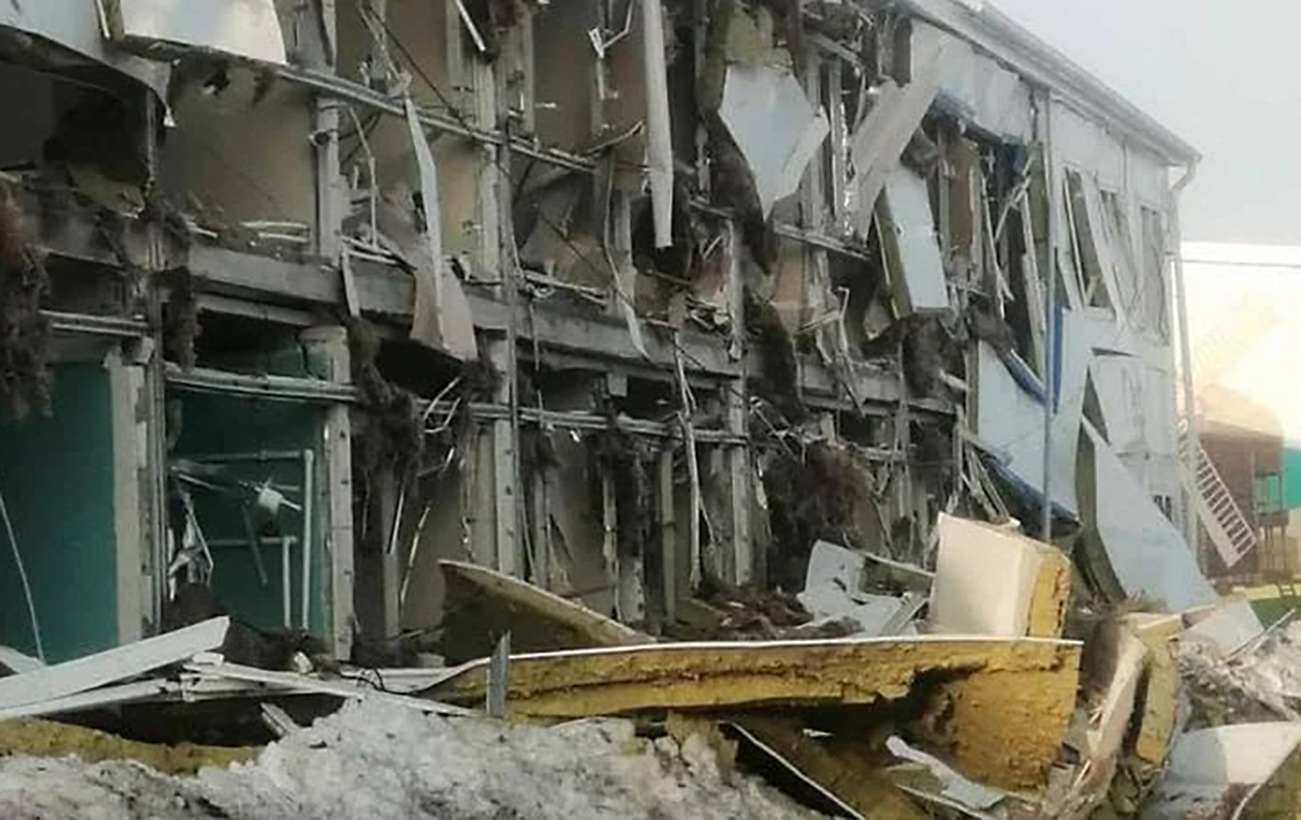
As it later became known to RBC-Ukraine from sources in the special services, the purpose of the attack in this SEZ was a plant for the assembly of the Shahed kamikaze drones, which the Russians named the Geran-2. The operation was organized by the GUR (Ukrainian Defence Intelligence), as a result of the strike there was significant destruction of production facilities, the source told the publication.
The SEZ management itself claims that the drones hit the dormitory of the Elabuga Polytech local college. Pro-Kremlin media write about the hit of one drone with at least 7 people injured.
Also, back in the summer of 2023, the Protocol, a Russian opposition community, wrote that students from the Alabuga were attracted to assemble the Shahed drones for frontline needs. Teenagers from 15 to 17 years old have to work around the clock, sometimes without breaks for sleep and food, and refusal to work is fraught with expulsion.
What is known about the Alabuga SEZ?
The Alabuga is a Special Economic Zone (SEZ) in the Yelabuga district of Tatarstan. It's located 10 km from Yelabuga, 25 km from Naberezhnye Chelny, 40 km from Nizhnekamsk and 210 km from Kazan. It covers an area of 3,903.5 hectares.
In 2015, 2016 and 2017, it received the title of the best SEZ in Europe for large businesses according to fDi Intelligence, a specialist division of The Financial Times.
In 2019, the Alabuga became the largest industrial and production special economic zone in Russia, generating 59% of total revenue and 34% of tax collections from all SEZs in the country, providing 39% of private investment in Russian SEZs.
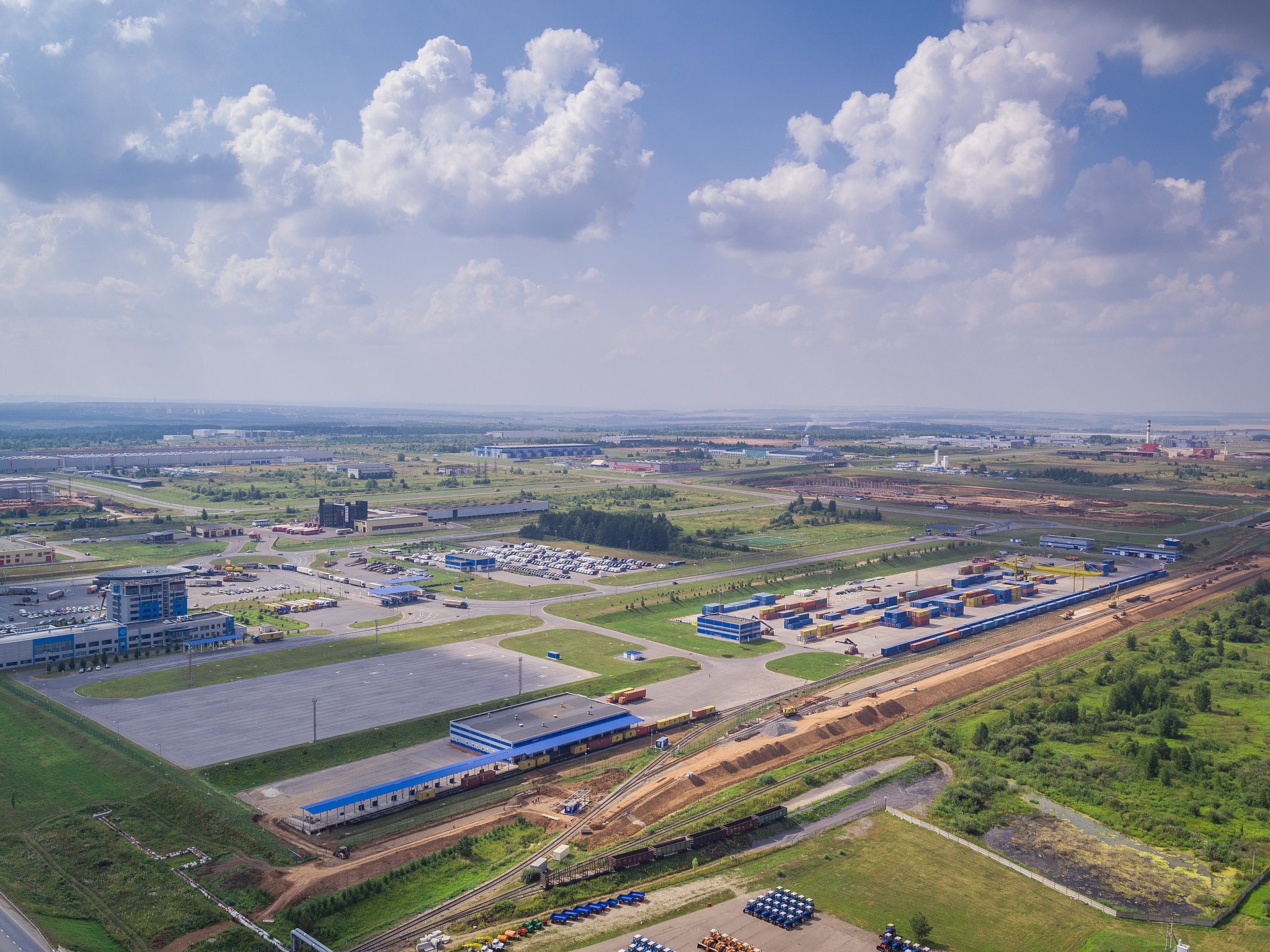
After the beginning of the full-scale invasion of Russian troops in Ukraine, many foreign companies that planned to become residents of Alabuga and build their enterprises there abandoned these plans. In addition, major residents began to leave the SEZ, among them the American carmaker Ford, which withdrew from the capital of a joint venture with the Russian group Sollers to produce the Ford Transit light commercial trucks.
It should be noted that another "fat" target for Ukrainian drones is the Elaz-Nefteprodukt refinery in this economic zone. At first, there were spreading online reports that this refinery was also under attack, but later it turned out that it was about the Taneko refinery.
Nizhnekamsk Refinery
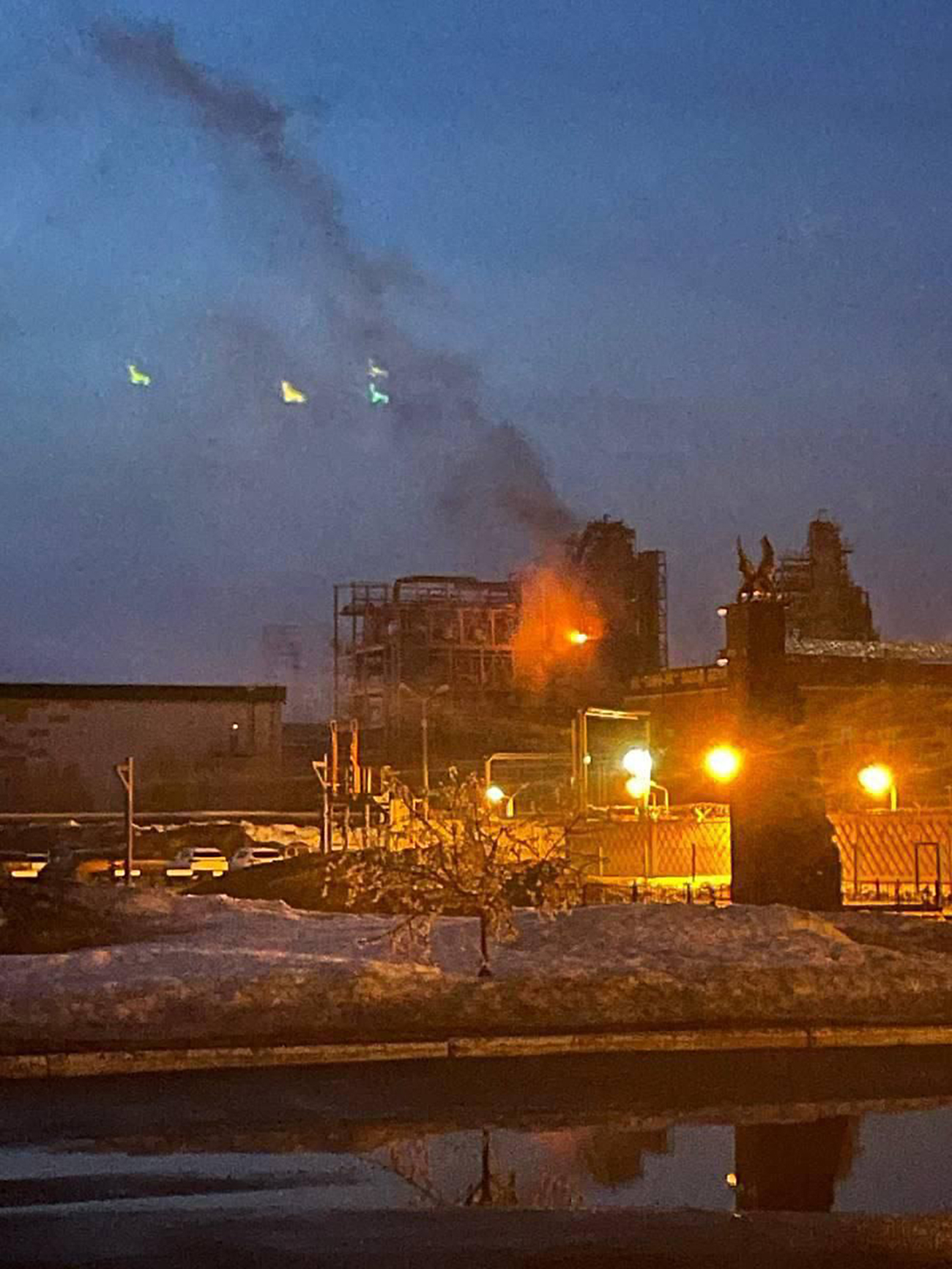
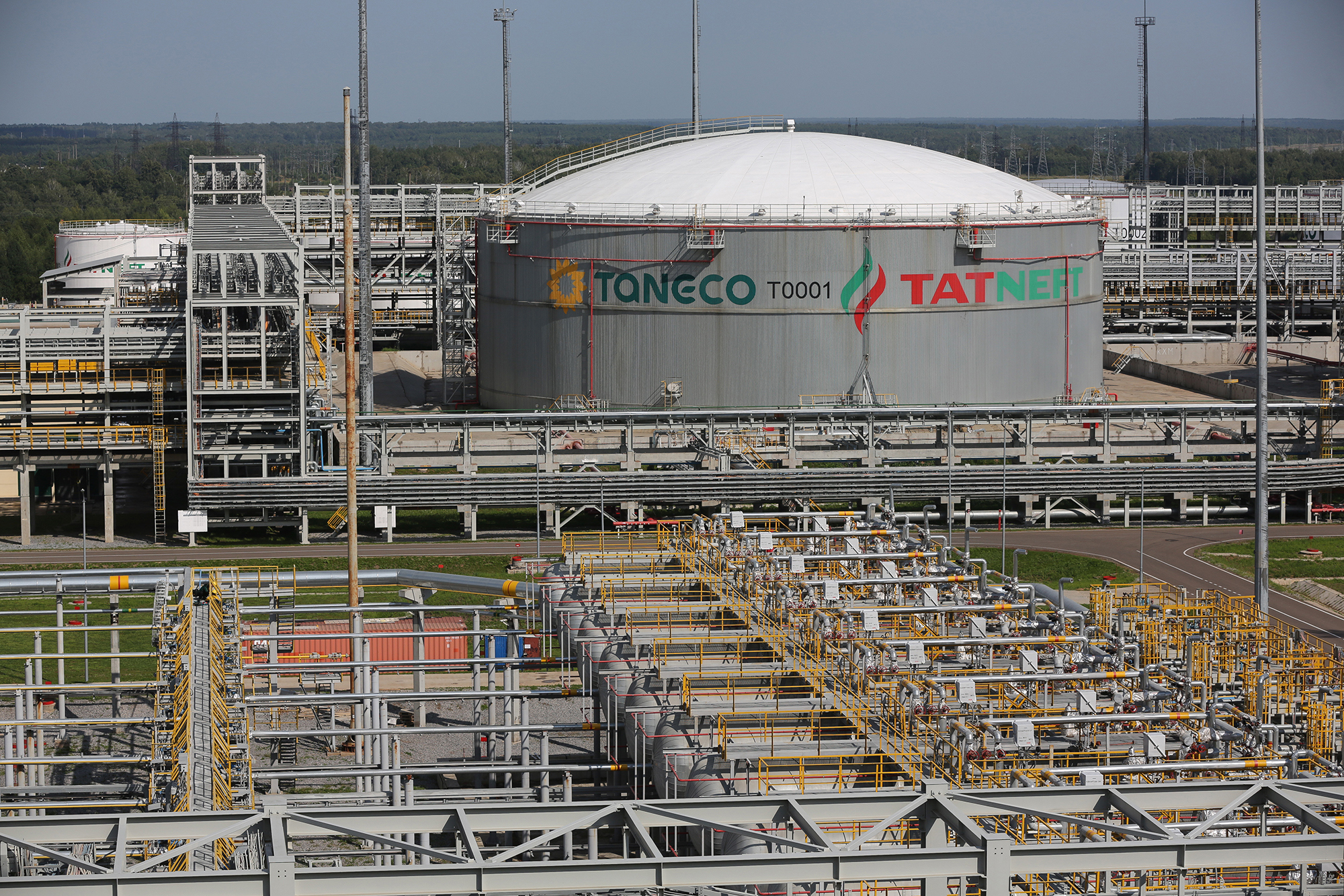
What is known about the attack on this refinery in Tatarstan? RBC-Ukraine learned from sources in the special services that Ukrainian drones managed to hit the Taneko refinery in Nizhnekamsk. These were joint actions of the Ukrainian security and defence forces.
At the same time, the Baza Telegram channel writes that the attack was allegedly carried out by one drone. Three casualties have been reported.
1000 km from Ukraine. What is known about the attack on the Shahed plant and the refinery in Tatarstan.
The mayor of Nizhnekamsk Ramil Mullin also came out with a comment. He said that the drone really "tried to attack the oil refinery," but it was suppressed by electronic warfare systems. According to him, "there is no destruction and no casualties". However, his statements are contradicted by online available photos, which, according to the Russian media, show a significant fire at the refinery. According to preliminary data, the drone hit one of the installations causing a fire.
Please note that the Taneko Oil Refinery (Tatarstan Oil Refining Complex) of TATNEFT was founded in 2005. This is the first refinery built from scratch in post-Soviet Russia. In 2022, it was on the fifth place in the ranking of the country's largest oil refineries with a refining capacity of 16.2 million tonnes of oil per year.
Drone Attacks on Russia
Recall that in recent years, Russian facilities have often suffered drone strikes. In particular, we are talking about massive attacks on Russian oil and gas enterprises. If the nearest points of impact were located at a distance of up to 100 km, then the farthest - up to 900 km (terminal in Ust-Luga near St. Petersburg). Today, which is possible, Ukrainian drones managed to set a "record", breaking the mark of more than 1000 km and hitting targets.
It should be noted that such attacks cause considerable damage to Russia. Recently, British intelligence reported that the Russians are reducing oil refining capacity due to attacks by attack drones, and damaged refineries will take longer to recover due to Western sanctions against enterprises and a ban on the import of important equipment for the aggressor state.
Moreover, on April 1, Bloomberg reported that Russia was reducing diesel exports after the attacks on the refineries.