


Turkey Stops Supplies To Russia
28- 5.04.2024, 22:05
- 42,760
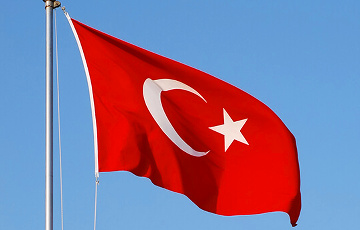
They are afraid of US and EU sanctions.
In the past two years, Turkey and China have become the main import centres for Russia (along with Central Asian countries). Consumer goods and industrial and technological equipment, including those needed for the production of armaments, came through them in large volumes. But as a result of the tightening control over sanctions by the United States (and in the case of Turkey, by the European Union), the commodity flows that were abundant until this year are beginning to dry up, The Moscow Times reports.
According to preliminary data released Thursday by the Turkish Trade Ministry, exports to Russia in the first quarter fell by 33.7 per cent compared to the same period in 2023. The 22,000-member Association of Machinery Exporters expects a similar drop at the end of this year. Shipments in this sector could drop by $1bn due to "ambiguous" and "rapidly expanding" sanctions, especially on goods that can be used to produce weapons, association chairman Kutlu Karavelioğlu told Bloomberg. The scale of the expected drop, he said, is equal to a third of last year's sales, and so far the exports to Russia of machine tools, fuel pumps and electric motors have been hit hardest.
Karavelioğlu explained: It is not possible for any serious machinery company to maintain its previous interest in Russia in light of the increasing pressure on the banking system and supply chains.
On a monthly basis, exports to Russia peaked at $991.4m in December 2022. Then shipments began to decline gradually, but over the past year the monthly figure hovered around the $800m mark. The collapse to $553.9m occurred in January. A month earlier, the U.S. Treasury Department announced it was expanding its authority to impose secondary sanctions, including against banks that process payments for shipments to Russia. In addition, U.S. officials have made multiple visits to Turkey over the past year, seeking to enforce the sanctions regime and halt exports of electronic components to Russia.
European Commission officials have also held talks with Turkish authorities. And at the end of 2023, in the 13th package of sanctions, the EU banned the supply of machine tools, equipment and components used for arms production to Russia. Oversight measures to enforce previous sanctions, including against third countries, were also tightened.
"We are seeing increasing regulatory attention, especially on Russia's metals, mining, construction, aerospace and manufacturing sectors," said Tan Albayrak, sanctions and export control lawyer at Reed Smith. Above all, Western countries are trying to prevent components such as machine parts, microchips and printed circuit boards from entering Russia, he notes: "Most of these goods have both civilian and military applications. They can be used in a washing machine, or they can be used in a battle tank."
There have been tangible problems with supplies from China in recent months, too. Chinese banks have begun to comply with sanctions against Russia even more than necessary, a survey of Russian importers conducted by The Moscow Times showed. Serious problems began in February, with some payments sent to them hanging in Chinese banks for over a month. In other cases, banks can take weeks to request documents on contacts, the purpose of the purchase and guarantees that the end buyer is not linked to the Russian army or military-industrial complex.