
A Heating Crisis Has Begun In Russia
3- 7.10.2026, 14:32
- 3,576
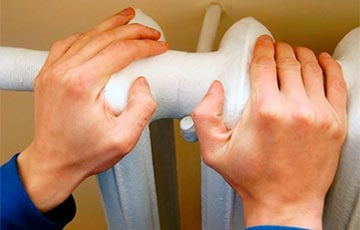
Several cities have no heat.
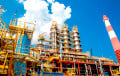
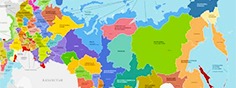
Residents of dozens of Russian cities are left without heat in their homes, despite the official start of the heating season and nighttime frosts. This situation is being observed in the Chelyabinsk, Perm, and Nizhny Novgorod regions, the Krasnoyarsk Territory, and Omsk, according to Izvestia.
For example, in the closed city of Ozersk in the Chelyabinsk Region, the radiators were supposed to start heating up on September 28, but heat wasn’t even provided to social institutions due to damage to water pipes. “We’re in the midst of a total collapse. Sewage has been flowing down the main street for half a year,” said one of the city’s residents.
Residents in Gornozavodsk, Perm Krai, are also complaining about the lack of heating. “There’s no hot water or heating anywhere in the city. There’s mold in the homes—it’s unbearably cold,” a local resident said. According to her, she can’t take her young children to daycare because state-run facilities also lack heating and are temporarily closed. A similar situation has arisen in Nizhny Novgorod and Omsk, where the heating season began on September 21, but two weeks later, complaints about cold radiators are coming in from various districts. In the Krasnoyarsk Krai, hotlines were set up to address heating issues. In just two hours, they received more than 170 calls.
This situation is the result of decades of wear and tear on the utility infrastructure, says Alexander Aksenko, deputy chairman of the State Duma Committee on Construction and Housing and Utilities. “Today, it averages over 40%, and in some regions reaches 70–80%. At the same time, only about 1% of utility networks are replaced annually,” Aksenko noted. The deputy added that at this rate, the accumulated wear and tear cannot be eliminated quickly, writes The Moscow Times.
Weak sections of the networks keep causing problems, especially at the start of the heating season and as the load increases, says Alexander Yakubovsky, a member of the same State Duma committee. However, he notes that the situation in each specific case should be assessed by the regulatory authorities: the prosecutor’s office, Rostekhnadzor, and the housing inspectorate.
Against this backdrop, the government raised utility rates nationwide by an average of 15% starting October 1. Over the course of the year, these rates will rise by approximately 17%, marking the highest increase since 2009. The authorities attributed this sharp increase in rates to the need to modernize the utilities infrastructure. However, the price of utility services will continue to rise at an accelerated pace—by 11% in 2027, 8.6% in 2028, and 7.6% in 2029. Cumulatively, they will nearly double over four years—by 44.2%.

Bank's name: Bank Millennium S.A.
Address: ul. Stanislawa Zaryna, 2A, 02-593, Warszawa
IBAN: PL97116022020000000216711123
SWIFT: BIGBPLPW
Name of the account holder: Fundacja “KARTA ‘97”
Purpose/title of payment: Donation for statuary aims
You can contact us by the e-mail charter97@gmail.com