

New Sophisticated Tactics: How Ukraine Is Ruining Russian Logistics
4- 31.05.2026, 12:59
- 2,122
Forbes revealed some interesting details.
Ukraine's campaign against Russian logistics has become increasingly sophisticated. In addition to strikes on trucks, fuel depots and supply convoys, Ukrainian drones are now dropping mines along key supply routes, forcing Russian forces to confront threats from both the air and roads.
Instead of simply destroying individual vehicles, the goal is increasingly to disrupt the flow of supplies to the front, writes Forbes.
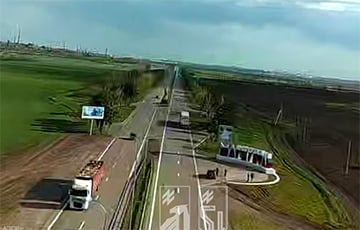
So, Russian sources have reported drone mines along sections of the land corridor into Crimea, especially around the Mariupol-Melitopol highway, which have forced the Russians to shut down parts of the highway and divert heavy truck traffic toward Crimea. Such reports of mines are notable because the M-14 highway between Mariupol and Melitopol is about 100-150 kilometers from the front line.
"That means Ukraine will likely need fixed-wing drones or other longer-range systems to plant mines in the area," Forbes writes.
The mines don't necessarily have to completely destroy the vehicles. A disabled truck could block a road, create a traffic jam and leave stranded vehicles vulnerable to drone strikes.
"This will put even more pressure on Russian logistics and add to the burden of constantly demining these areas," said analyst Roy Gardiner.
Part of a broader tactic
The tactic appears to be part of Ukraine's broader effort to turn Russian supply routes into layered interdiction zones, Forbes writes.
Russian drivers already face drone ambushes with FPV screens, attack drones with artificial intelligence and attacks on air defense systems protecting key roads. If the use of drones to plant mines expands, they will also have to constantly face the risk of mines on the road below.
One sign of increased pressure was a report that Ukraine's SDF had hit two Russian Tor-M2 SAMs. One of them was hit while being transported by a tractor along the M-14 highway near occupied Berdyansk, indicating that Russia is moving air defense assets to protect vulnerable logistics routes.
Russian military bloggers warn that even small mines scattered along key highways could lead to traffic paralysis" as traffic would have to be repeatedly stopped for inspections and clearance operations. Unlike kamikaze drone strikes, which target individual vehicles, a batch of mines could temporarily shut down a highway.
For the Russian army, which depends on long and vulnerable supply lines, slowing down movement could be as valuable as destroying equipment. "Logistics have been disrupted for almost a month, affecting the delivery of supplies not only to the rear but also to the front lines," wrote a Russian military blogger.
Russia may eventually adapt
Gardiner noted that Russian forces could respond by extending their anti-aircraft network to vulnerable highways, but that would become quite a challenge.
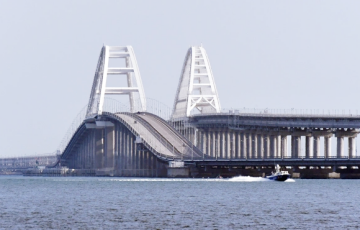
Drone strikes and a mine-laying campaign could further increase Russia's reliance on the Kerch Bridge, and Ukraine doesn't even need to completely shut down the land corridor to Crimea, Forbes notes:
"If every truck takes longer, every convoy requires a permit, and every delay opens up more targets, the road could stay open but become much less useful."

Bank's name: Bank Millennium S.A.
Address: ul. Stanislawa Zaryna, 2A, 02-593, Warszawa
IBAN: PL97116022020000000216711123
SWIFT: BIGBPLPW
Name of the account holder: Fundacja “KARTA ‘97”
Purpose/title of payment: Donation for statuary aims
You can contact us by the e-mail charter97@gmail.com