


Following Gasoline, Motor Oil Has Begun To Disappear From Store Shelves In Russia
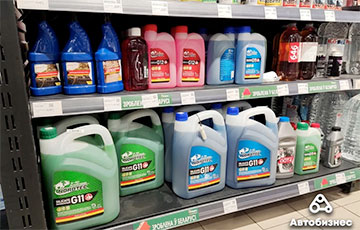
Prices for some items have skyrocketed by 40% over the summer.
Due to reduced availability of raw materials and import issues, Russian dealers are increasingly facing supply disruptions for certain types of automotive lubricants. This was reported by Kommersant.
It is still too early to speak of a widespread shortage, but the trend in the Russian market looks alarming—the cost of some products has risen by 40% over the summer.
“Some motor oil products are completely unavailable—we’re buying from intermediaries whatever manufacturers managed to ship earlier,” said Vladimir Andreev, head of the service division at the Fresh marketplace.
According to top Russian executives, the most significant shortages are observed in the premium and original equipment manufacturer (OEM) segments; specifically, this includes Shell and Castrol lubricants, BMW oils, and VAG Group products.
The situation with Russian-made lubricants is more stable—there is no physical shortage yet, but that could change, as the stability of this segment depends on a number of factors beyond the market’s control.
Sources interviewed by Kommersant suggest that a shortage in the Russian segment could arise and would be linked to a lack of additives among some local manufacturers. These components are essential for the production of automotive oils, and the additives are typically imported from abroad.
Some market participants attribute supply disruptions to unscheduled repairs at refineries, as well as restrictions on the use of certain types of raw materials—particularly those used in the production of coolants.
The shortage is further exacerbated by logistical challenges. The situation in the Strait of Hormuz directly affects oil shipments. A significant portion of global oil supplies passes through this route, so disruptions to its use lead to higher costs for crude oil, freight, and cargo insurance.
Demand for lubricants may rise further due to the use of gasoline with a lower environmental rating, which requires more frequent motor oil changes. On the one hand, fuel shortages are reducing vehicle mileage; on the other hand, the use of gasoline that does not meet modern environmental standards accelerates the loss of lubricants’ properties. When used in modern vehicles, “Euro-2” and “Euro-3” fuels with higher sulfur content can cause increased wear and engine contamination, and in some cases, may even require engine replacement.
Overall, since the beginning of the year, motor oils in Russia have risen in price by an average of 15–20%, depending on the brand and specific product. Several factors influence the cost of motor oils: oil prices, logistics costs, and exchange rate fluctuations.

Bank's name: Bank Millennium S.A.
Address: ul. Stanislawa Zaryna, 2A, 02-593, Warszawa
IBAN: PL97116022020000000216711123
SWIFT: BIGBPLPW
Name of the account holder: Fundacja “KARTA ‘97”
Purpose/title of payment: Donation for statuary aims
You can contact us by the e-mail charter97@gmail.com