
Russia's Aircraft Fleet Is Rapidly Falling Into Disrepair
- 8.10.2026, 20:16
- 1,848
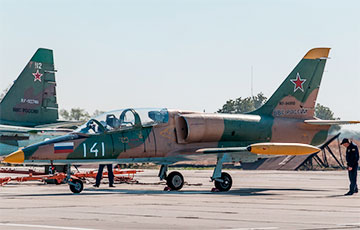
Moscow is asking Vietnam for aircraft.
Russia has asked Vietnam to lease its passenger aircraft, complete with crews and maintenance services. However, any such deal would involve the use of Airbus or Boeing aircraft, which would subject Vietnamese carriers to secondary sanctions. This was reported on October 7 by Euronews on October 7.
As noted by the media, the condition of the Russian aircraft fleet, seized from Western lessors in 2022, is deteriorating. Nearly one-fifth of the aircraft operated by the country’s largest airlines are grounded.
According to industry data, of the 673 aircraft operated by Russia’s 11 largest airlines, 130—or nearly one-fifth—are not in service. The normal downtime rate is approximately 10%.
Airlines not part of the Aeroflot Group are in an even more dire situation: 93 of their 322 aircraft—that is, nearly one-third—are grounded.
Vietnam’s main carrier operates exclusively Airbus and Boeing aircraft, which means that any transfer to Russia would involve Western-made aircraft. This creates a risk of secondary sanctions, which led Ethiopia to reject a similar proposal.
Russia’s request to Vietnam demonstrates just how much the condition of the confiscated and “stripped for parts” Russian passenger aircraft fleet has deteriorated, the publication notes.
Euronews reports that prior to the full-scale invasion of Ukraine, approximately 850 of Russia’s 900 commercial aircraft were Boeing or Airbus planes manufactured in the U.S. and Europe, of which about 85% were leased from foreign companies.
Due to sanctions, Russian airlines are forced to dismantle their confiscated fleet for spare parts, which further exacerbates legal problems. The publication emphasized that, according to international airworthiness standards, every component must have a certified and traceable maintenance history.
Parts removed from aircraft that lack access to Western-certified maintenance networks cannot legally be used on aircraft operating international flights. However, the Russian aviation regulator, Rosaviatsiya, issues its own certificates for such parts, which are not recognized by EU or U.S. aviation authorities.
According to Russian media reports, the Russian ministries of transportation and industry, together with the defense conglomerate Rostec, are discussing the introduction of a new passenger fee to finance the purchase and operation of domestically produced aircraft.

Bank's name: Bank Millennium S.A.
Address: ul. Stanislawa Zaryna, 2A, 02-593, Warszawa
IBAN: PL97116022020000000216711123
SWIFT: BIGBPLPW
Name of the account holder: Fundacja “KARTA ‘97”
Purpose/title of payment: Donation for statuary aims
You can contact us by the e-mail charter97@gmail.com