

"Russia Could Run Out Of Fuel"
- 16.11.2026, 17:21

The attacks on the Crimean Bridge expose the Russian Federation's vulnerabilities.
Ukrainian strikes on Russian oil refineries, attacks on the Crimean Bridge and the destruction of air defense systems are increasingly exposing Russia’s vulnerabilities.
The Kremlin is losing its ability to defend strategic facilities and faces the risk of a fuel shortage. Furthermore, military setbacks could push Vladimir Putin toward more dangerous tactics—escalation against NATO countries.
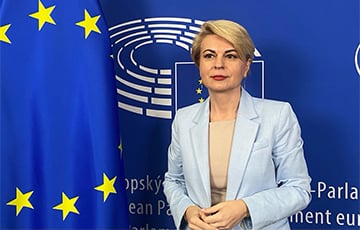
Political strategist Taras Zagorodniy explained “Channel 24” how strikes on Russian oil refineries could paralyze the aggressor country’s economy, why an attack on the Crimean Bridge weakens Putin’s position, and whether the Kremlin will resort to direct provocations against NATO. The expert also assessed Russia’s true intentions regarding a humanitarian ceasefire and explained why the evacuation of Russians from occupied Crimea could be the only effective humanitarian measure.
An Economic Noose for Russia
Ukraine has already put more than 55% of Russia’s oil refining capacity out of commission.
Zagorodny emphasizes that the main goal of these actions is to create a total fuel shortage—particularly a shortage of winter diesel—within Russia. This is expected to bring transportation to a halt, stop the movement of goods, and, as a result, paralyze the economy—which will directly impact Russia’s ability to conduct military operations.
Repairing damaged facilities is hampered by sanctions: Western equipment is difficult to replace, and Chinese alternatives take time and will cost the Russians significantly more. If the pace of refinery destruction continues, Russia will face a critical fuel shortage in the very near future.
The Crimean Bridge and Putin’s Geopolitical Fiasco
The attack on the Crimean Bridge, which forced the occupiers to shut down traffic and set up an operational headquarters in Kerch, is yet another demonstration of Ukraine’s strength.
Zagorodny notes that Russia is physically incapable of defending all its strategic facilities due to the constant destruction of its air defense systems and radar stations by Ukrainian forces.
This weakness has direct geopolitical consequences. On the eve of potential international meetings, Putin’s position appears as weak as it can possibly be.
The expert is convinced that Beijing has no interest in direct intervention or exerting pressure regarding the Ukrainian issue, because the current strategy of wearing Russia down suits China just fine. Putin appears to his allies as a leader incapable of controlling the situation even on his own territory.
The Inevitable Direct Confrontation with NATO
Zagorodny calls the inevitable escalation against NATO countries the most alarming consequence of Russia’s deadlock.
As Putin loses his leverage on the battlefield in Ukraine and suffers humiliation on the international stage, blackmailing the West remains his only tool.
Attempts at sabotage at defense plants in Europe, particularly in Estonia, are just the beginning.
The political strategist predicts that Russia may resort to massive drone attacks on NATO countries, specifically on the territories of Estonia, Latvia, or Poland.
The goal of such actions is to force the West to make concessions out of fear of a major war. The sluggish response from European countries and their reluctance to invoke Article 4 of the NATO Charter only encourage the Kremlin to continue its terror campaign.
The Illusion of a Ceasefire
Commenting on Melania Trump’s statements regarding a humanitarian ceasefire, Zagorodny emphasized that such initiatives are an echo of Russian attempts to secure a tactical pause.
The Kremlin is attempting to use the rhetoric of a ceasefire to unimpeded capture Ukrainian cities, such as Konstantinovka, and establish new footholds.
Ukraine will not make such concessions, as it understands the enemy’s true intentions.
Instead, according to the expert, the only effective humanitarian measure could be the evacuation of Russian citizens from the temporarily occupied Crimea, which is gradually finding itself under a logistical blockade.

Bank's name: Bank Millennium S.A.
Address: ul. Stanislawa Zaryna, 2A, 02-593, Warszawa
IBAN: PL97116022020000000216711123
SWIFT: BIGBPLPW
Name of the account holder: Fundacja “KARTA ‘97”
Purpose/title of payment: Donation for statuary aims
You can contact us by the e-mail charter97@gmail.com