

Gennady Fedynich: Let Lukashenko Provide Specific Facts
- 12.11.2026, 13:00
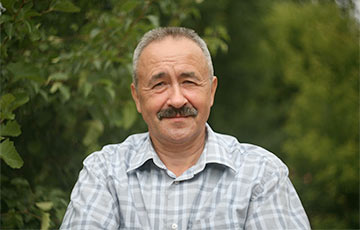
Photo: praca-by.info
A union leader spoke out in defense of Belarusians.
During his visit to “Govyada-Agro,” Lukashenko complained about the shortage of workers and, in effect, proposed banning them from leaving the farm without permission from local authorities. The dictator has been returning to the idea of restricting workers’ movements for many years now.
What lies behind Lukashenko’s remarks about agricultural workers? The website Charter97.org asked former political prisoner and labor union leader Gennady Fedynich about this:
— In my view, the situation in industry will continue to deteriorate. Lukashenko has repeatedly stated that we need to develop agriculture and, in doing so, possibly increase exports of our products.
A campaign is currently underway to increase livestock numbers. But to keep the herd healthy, we need, among other things, medications. As far as I know, farms used to have ample access to imported medications to maintain their livestock. Now, in all likelihood, such resources are unavailable. I’m certain that Lukashenko isn’t aware of the real picture and has only a rough idea of the scale of livestock mortality. I think farm managers are hiding the true situation from him to avoid getting in trouble.
Every enterprise, including a collective farm, must provide adequate incentives for work. But wages on collective farms today are, to put it mildly, negligible. That’s why people are trying to get by and are finding other jobs. Who, then, will work on the collective farms? The authorities should have thought about this much earlier. Today, it’s impossible to turn workers into serfs. This might yield only a one-time, temporary effect, but the trust that collective farmers—ordinary people—have in the authorities will diminish with each passing day. You can’t treat people this way.
— Lukashenko is shown model farms, but even near Minsk there are reports of mass livestock deaths, low wages, and milk being poured down the drain. Why are the authorities hiding the real situation on the collective farms and replacing it with a facade?
— As a rule, every district has a model farm. If problems exist even there, one can imagine what’s happening on ordinary farms.
In the past, as far as I know, unaccounted-for land was planted to increase the harvest. That practice has now been discontinued. But even the model farms face major problems. The collective farm system itself will never have a future without proper incentives for people to work and decent wages.
— At “Belkommunmash,” Lukashenko expressed outrage at the workers’ “slackness” and threatened them with the army. Is work discipline really suffering at state-owned enterprises, or is Lukashenko simply looking for someone to blame for the economy’s problems?
— You know, there are nuances at any enterprise. But the main thing is that Lukashenko uses general phrases and doesn’t provide any specifics. If there are concrete facts, the workers at the plants and factories should be aware of them. Such issues may occur, and they need to be corrected.
However, there are no specifics regarding either “Belkommunmash” or any other enterprises. There are only general statements claiming that everything is supposedly under control. Labor productivity and work discipline depend directly on motivation to work. If there is a decent salary and motivation, people will value their jobs because they need to make a living and provide for their families and children.
The government should have long ago considered cutting unnecessary expenses and streamlining the administrative apparatus, while ensuring workers receive a decent salary. Right now, whether we like it or not, prices are rising, including for services. People understand this perfectly well. Their primary concern is how to survive from paycheck to paycheck, not thinking about the enterprise. That is why we need to radically change the management system here. I’m referring to both collective farms and industrial enterprises. If the owner were in charge of the enterprise, the situation would be completely different. The key is to give the owner the opportunity and freedom to do so. Then neither the law nor the working conditions of the employees would be violated.
Unfortunately, the current government is not only unable but also unwilling to do this. It is simply incapable of it.

Bank's name: Bank Millennium S.A.
Address: ul. Stanislawa Zaryna, 2A, 02-593, Warszawa
IBAN: PL97116022020000000216711123
SWIFT: BIGBPLPW
Name of the account holder: Fundacja “KARTA ‘97”
Purpose/title of payment: Donation for statuary aims
You can contact us by the e-mail charter97@gmail.com