


Russian Economists Banned From Forecasting Food And Gasoline Price Increases
2- 6.05.2026, 18:15
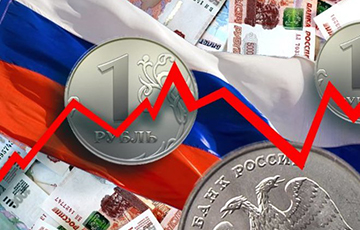
The Federal Antimonopoly Service has issued a number of warnings to analysts.
The Federal Antimonopoly Service (FAS) has issued a number of warnings to analysts because of their public statements about a possible rise in commodity prices. "Such forecasts may be perceived by market participants as an inducement to change the cost of goods, as well as provoke increased demand from consumers," the FAS press service said on Wednesday.
The FAS's claims were triggered by comments made by Oleg Abelev, head of the analytical department of investment company Rikom-Trust Investment Company, who voiced a forecast in the media about the upcoming rise in food prices, Reuters specifies. In addition to him, the communications director of GIS Mining and the general director of Alliance Trucks, who predicted a rise in fuel prices
"Concerted actions of competing business entities, which may lead to the establishment or maintenance of prices, contain signs of violation of the law on protection of competition," FAS explains its decisions.
FAS has previously sent warnings to experts for forecasts of rising prices for food, drugs or fuel, especially in conditions of instability - when the market was accelerating r The agency believed that such statements could be perceived by companies operating on the bread market as a reference point for planning their activities, and would contribute to the coordination of pricing policy.
In 2018, FAS warned the director of Agrofirma Niva against forecasts in the media about changes in the cost of buckwheat, which contribute to a frenzy of demand for the product, then demand for it increased. In May 2019, an injunction was issued to Pavel Bazhenov, president of the Independent Fuel Union, for forecasts of gasoline prices in the fuel crisis.
This year, FAS warnings were sent in January - to the managing partner of Agro and Food Communications agency Alexander Panchenko for statements about food price increases of up to 30%, in April - to the head of Sberbank Leasing for forecasting a 15% rise in car prices, to the management of the Auto Service Union for forecasting a 5 to 15% rise in motor oil and additives prices.
Publications about price increases directly affect the inflation expectations of the population, which the Central Bank is trying to manage. A sharp change in inflation expectations, according to Bank of Russia Deputy Chairman Alexei Zabotkin, will lead to a revision of the forecast trajectory of the key rate.
"If (inflation expectations) are high, as they are now, the task becomes more difficult. After all, the higher the expectations, the more likely people and businesses will choose to spend rather than save. However, there are no unsolvable tasks, it will just take more time and patience," the Central Bank said in its Telegram channel.

Bank's name: Bank Millennium S.A.
Address: ul. Stanislawa Zaryna, 2A, 02-593, Warszawa
IBAN: PL97116022020000000216711123
SWIFT: BIGBPLPW
Name of the account holder: Fundacja “KARTA ‘97”
Purpose/title of payment: Donation for statuary aims
You can contact us by the e-mail charter97@gmail.com