
Fico Surprised The Kremlin And The European Union
1- 20.08.2026, 17:13
- 2,166
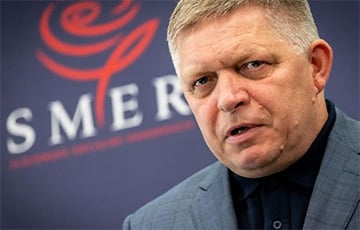
The Slovak prime minister rejected the label of “the new Orbán.”
The publication Politico reports on how, following the defeat of Viktor Orbán in the Hungarian elections, there were serious concerns in Brussels that Slovak Prime Minister Robert Fico would take on the role of the new main disruptive force within the European Union. However, four months later, the situation turned out differently: the Slovak prime minister largely fell in line with the EU’s general stance—he supported anti-Russian sanctions and did not block the progress of Ukraine’s EU accession negotiations.
The Kremlin had also expected Fico to act against Ukraine within the EU in much the same way as Orbán had. However, the Slovak prime minister’s behavior ultimately came as a surprise to all parties.
As the publication notes, for a long time Fico effectively used Orbán as a political shield: as long as the Hungarian prime minister blocked decisions on Ukraine and Russia, the Slovak leader could afford to loudly criticize Brussels and the sanctions without being held primarily responsible for sabotage within the bloc.
“Fico was hiding behind Orbán, and now he can no longer do so. He criticizes [EU] sanctions in Slovakia… but at the same time supports all these measures,” Michal Šimečka, leader of the centrist opposition party “Progressive Slovakia,” told Politico.
In his view, Fico’s so-called “sovereignty-based” foreign policy has ultimately yielded almost no tangible results. Instead of tangible benefits, Slovakia has suffered only reputational costs and the risk of finding itself isolated within the European Union.
Commentators call this an important diplomatic signal for Ukraine. Now that Orbán is no longer the main obstacle to anti-Russian decisions in the EU, pro-Russian politicians within the bloc have seen their room for maneuver significantly reduced. Fico, as the publication notes, can still use tough rhetoric for his domestic audience, but when it comes to actual decisions, he is no longer willing to take on the role of the main defender of Moscow’s interests in the European Union.

Bank's name: Bank Millennium S.A.
Address: ul. Stanislawa Zaryna, 2A, 02-593, Warszawa
IBAN: PL97116022020000000216711123
SWIFT: BIGBPLPW
Name of the account holder: Fundacja “KARTA ‘97”
Purpose/title of payment: Donation for statuary aims
You can contact us by the e-mail charter97@gmail.com