

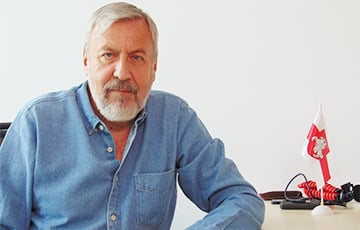
Andrei Sannikov: Recent Events Give Cause For Optimism
- 26.11.2026, 15:49
It is Belarus that will ensure Europe's integrity and freedom.
In Halifax, Canada the International Security Forum took place, bringing together leading politicians, military officials, and experts from around the world on November 20–22.
The website Charter97.org spoke with one of the forum’s participants, Andrei Sannikov, coordinator of the “European Belarus” civic campaign, about the forum’s outcomes.
— One of the leaders of the Russian opposition, Garry Kasparov, stated after participating in the forum in Halifax that he had revised his forecast: in his view, Europeans are ready to stand up to Russia even without looking to the U.S. for guidance. Have you also noticed a shift in the attitudes of Western politicians and military leaders? What other important international security issues were discussed at the forum?
— The Halifax Forum, the largest and most representative security conference in terms of the presence of national military leadership, was preceded by two important events: the U.S. midterm elections and the meeting between Donald Trump, Xi Jinping and Vladimir Putin in China. These events provided cause for optimism, including with regard to Ukraine. The U.S. elections showed that democratic institutions work and can be used to correct any irrational decisions made by the presidential administration.
As for the meeting in China, which Russian propaganda stubbornly tried to portray as a sort of “Yalta”, revealed to the world three petty leaders and had no impact whatsoever on global politics. The best proof of this is that this meeting was practically not even mentioned at the forum.
On the first day of the forum, Garry Kasparov challenged Western politicians, saying that it would be hard to find a politician west of Poland who would utter the simple phrase: “Ukraine must win, Russia must lose.” On the second day of the forum, the Dutch Minister of Defense Procurement and Personnel Derk Boswijk uttered this phrase. I was present at the time and heard it myself. This is what led Kasparov to offer a more optimistic assessment of the global situation.
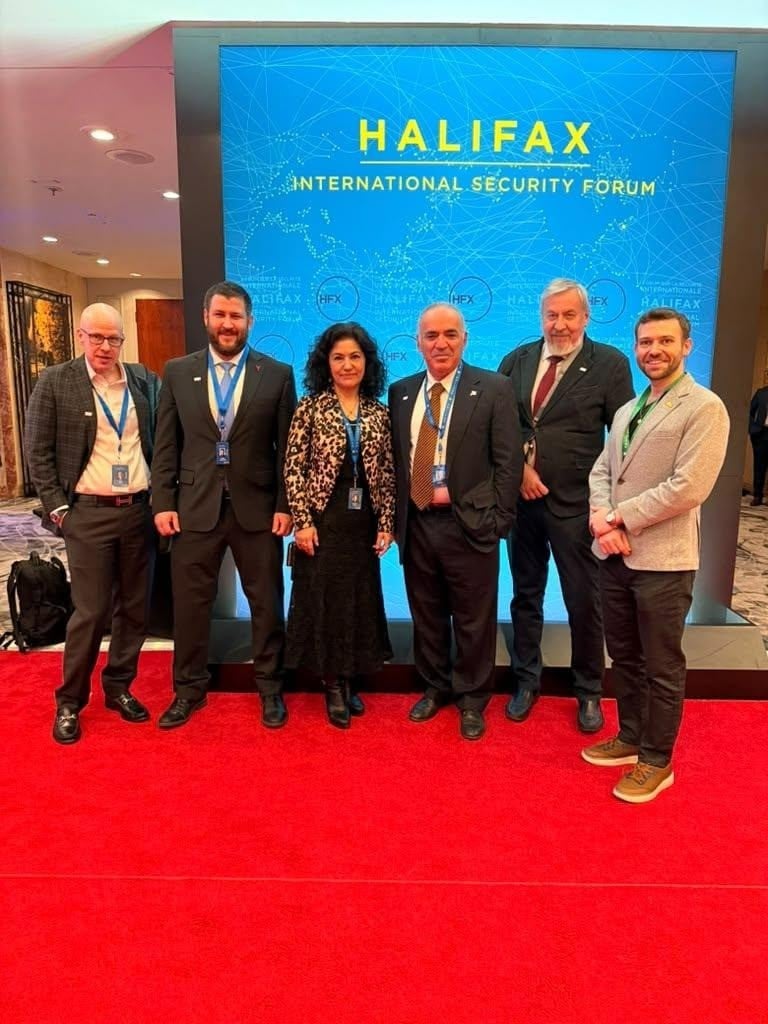
Ukraine continued to take center stage in the forum’s discussions. A great deal of attention was paid to artificial intelligence, its development, and the associated risks and benefits. The situation in various regions, as well as in the economy and politics, was discussed. Overall, the forum, as before, was distinguished by its comprehensive coverage of global events.
“Ukraine’s achievements have long been recognized and highly valued”
— A number of important events took place in the days leading up to and during the forum: the destruction of the Crimean Bridge, reports of strikes against the Russian fleet in the Baltic Sea and off the coast of Libya. How did forum participants react to Ukraine’s successes? Is the West’s perception of Ukraine’s capabilities and prospects for victory changing?
— It’s not just these events that influence attitudes toward Ukraine. Ukraine’s successes in developing military technologies and in formulating strategies and tactics for modern warfare have long been known and highly valued.
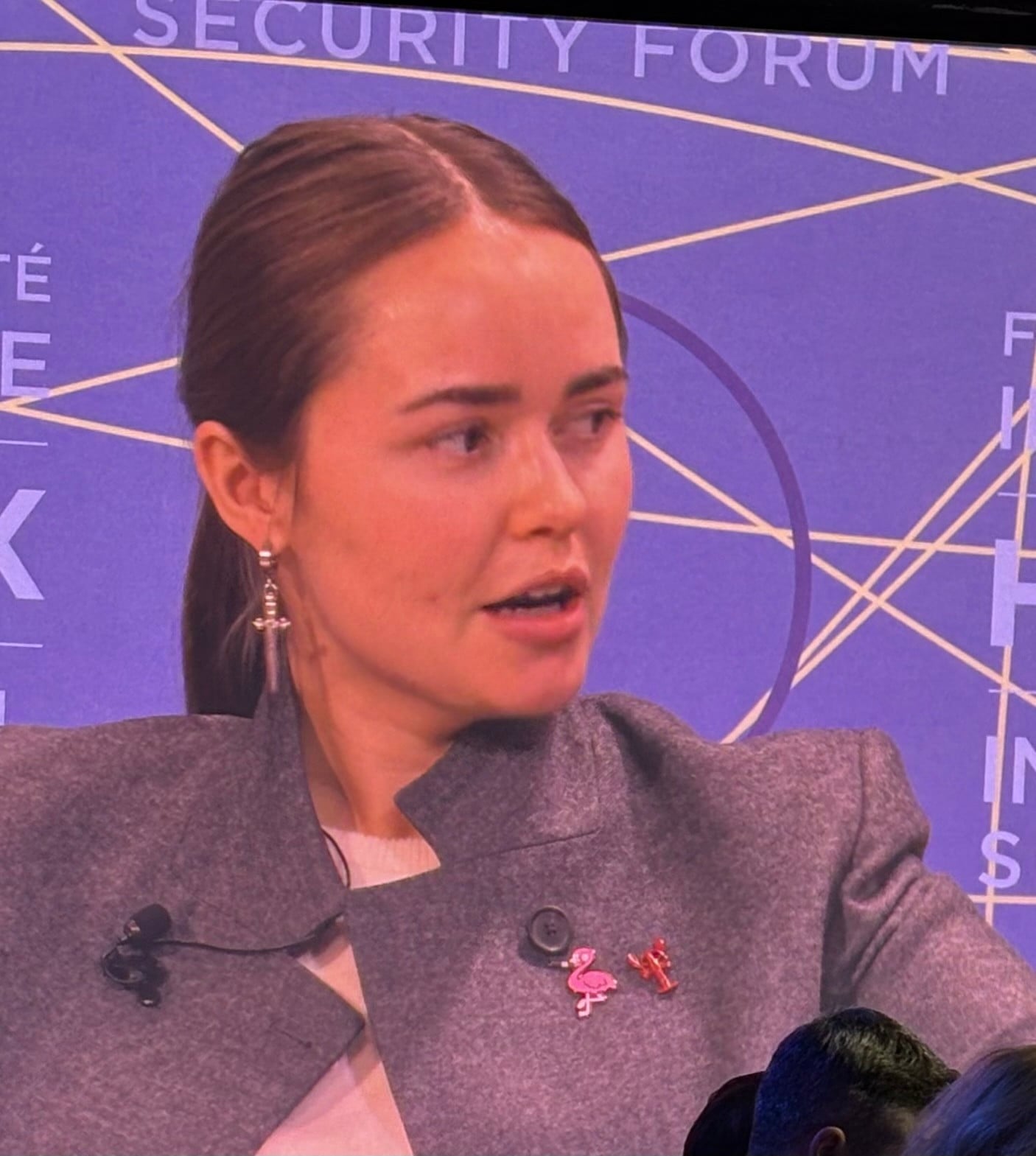
Incidentally, Irina Terekh, CEO of Fire Point—the company that manufactures the “Flamingo” missile, which, along with others, was used in the strikes on the bridge—spoke in Halifax. The history of this company is truly remarkable. At the start of the war, they began in a garage, and today Irina Terekh leads 9,000 employees.
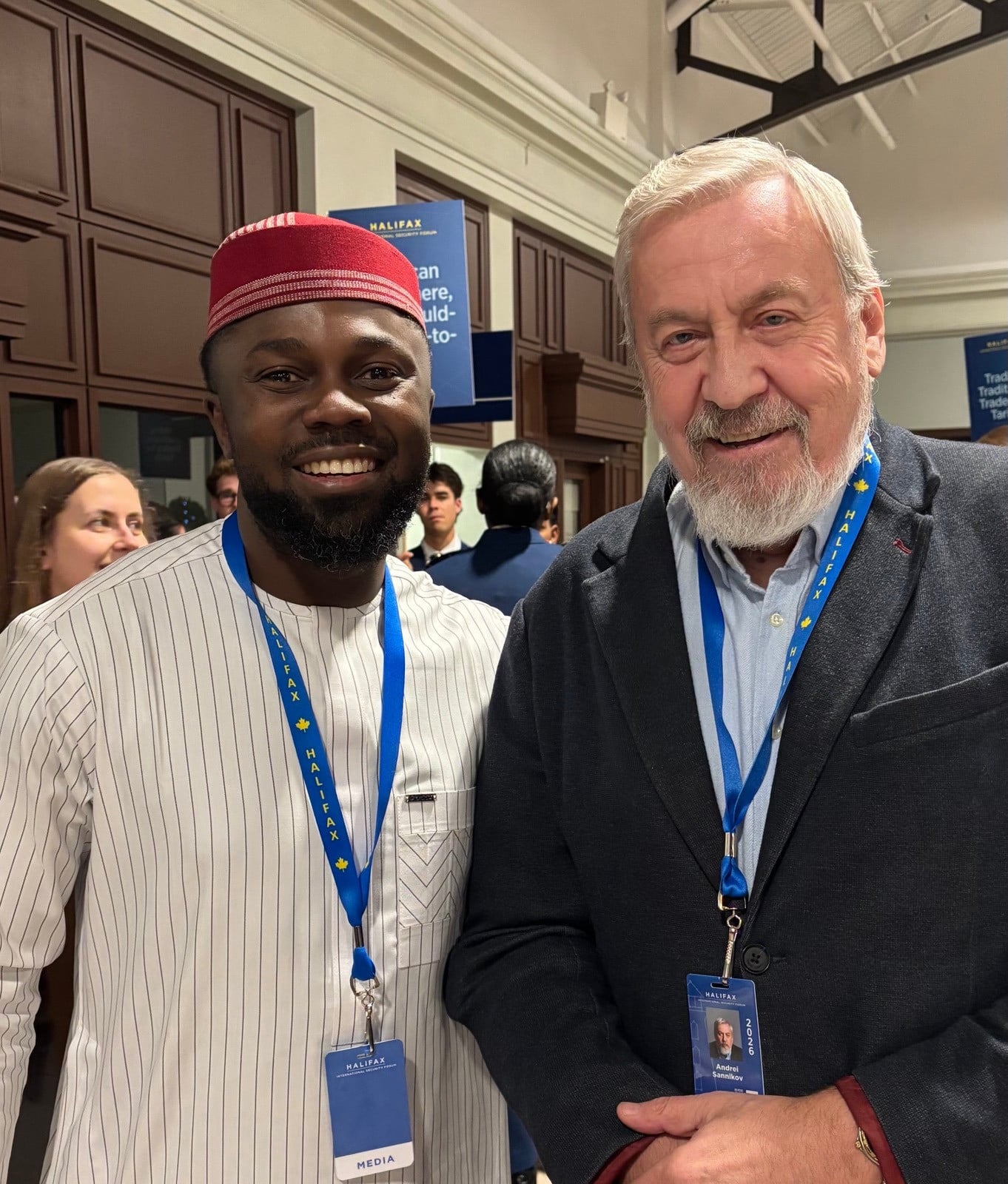
There were many remarkable people at the forum. I met an investigative journalist from Nigeria Philip Obaji. He is a fearless journalist who investigates human rights violations in Africa, particularly in the Central African Republic. He has been kidnapped, tortured, and received death threats, but he continues his work.
It was he who discovered the Wagner Group’s headquarters in the CAR and investigated their activities. At one point, Yevgeny Prigozhin called him and threatened to crush him like a cockroach. Philip said that this only spurred his determination to continue his work.
“Belarus is the key to security in Europe”
— Which politicians, diplomats, and military officials did you manage to meet in Halifax? Were you able to raise the issue of Belarus?
— I met with many people and, of course, discussed the situation in Belarus in the context of what is happening in the world, in the context of Russia’s war against Ukraine.
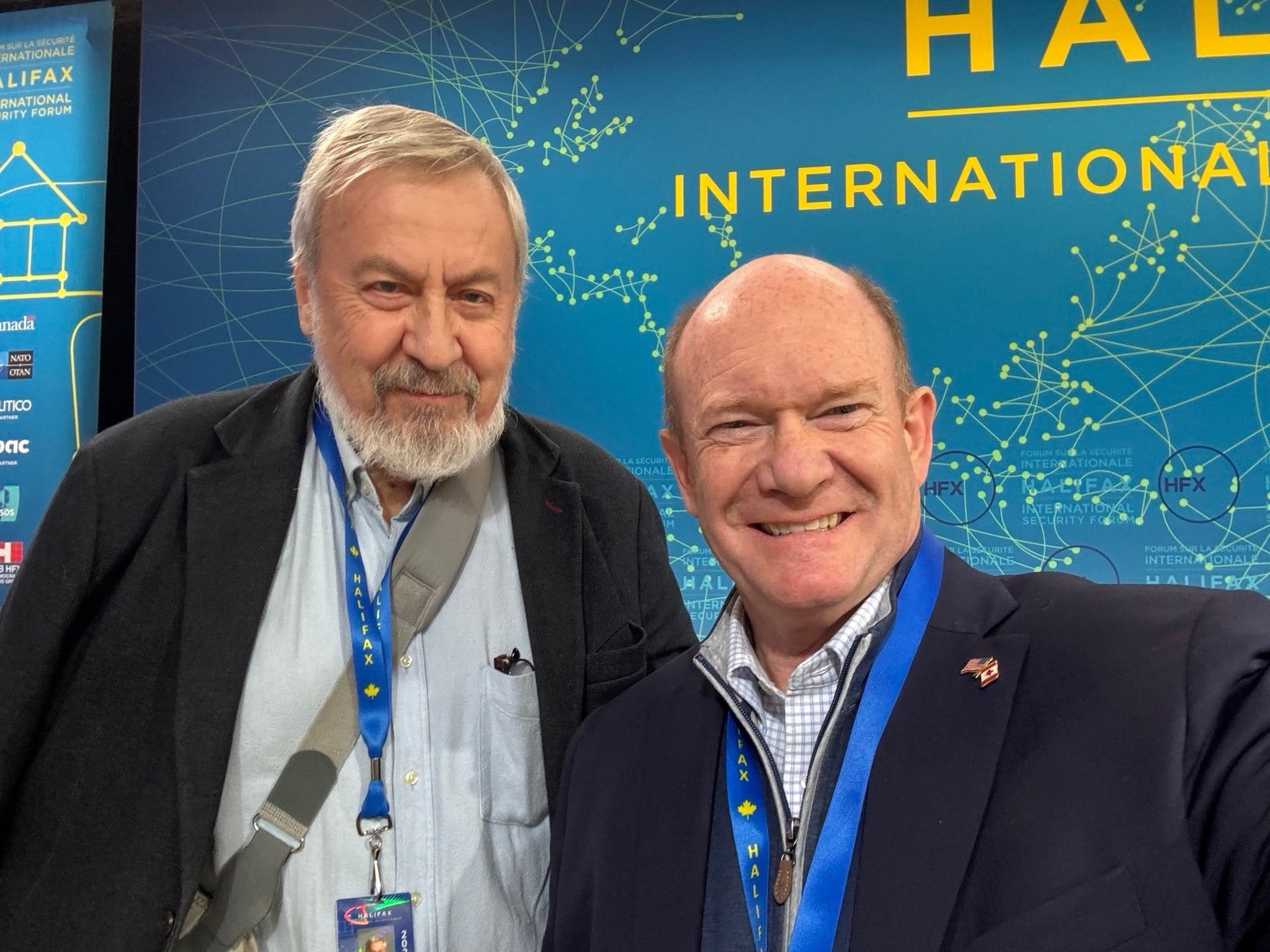
In particular, I discussed Belarus with Republican Senator Mike Rounds and Democratic Senator Chris Coons. Incidentally, there was an unfortunate moment during my conversation with Kuns. He asked me to share my opinion on the following situation, which, as he described it, went like this: there was an opposition figure in Belarus who posed a serious threat to Alexander Lukashenko, so he was thrown in jail. His wife entered politics in his place. After some time, Lukashenko released the opposition figure from prison, and now something strange is going on between the couple.
Hearing this was not very pleasant. I said that I am more concerned about the fate of political prisoners and the prospects for their release, and that everything the senator mentioned has no bearing on the situation in Belarus.
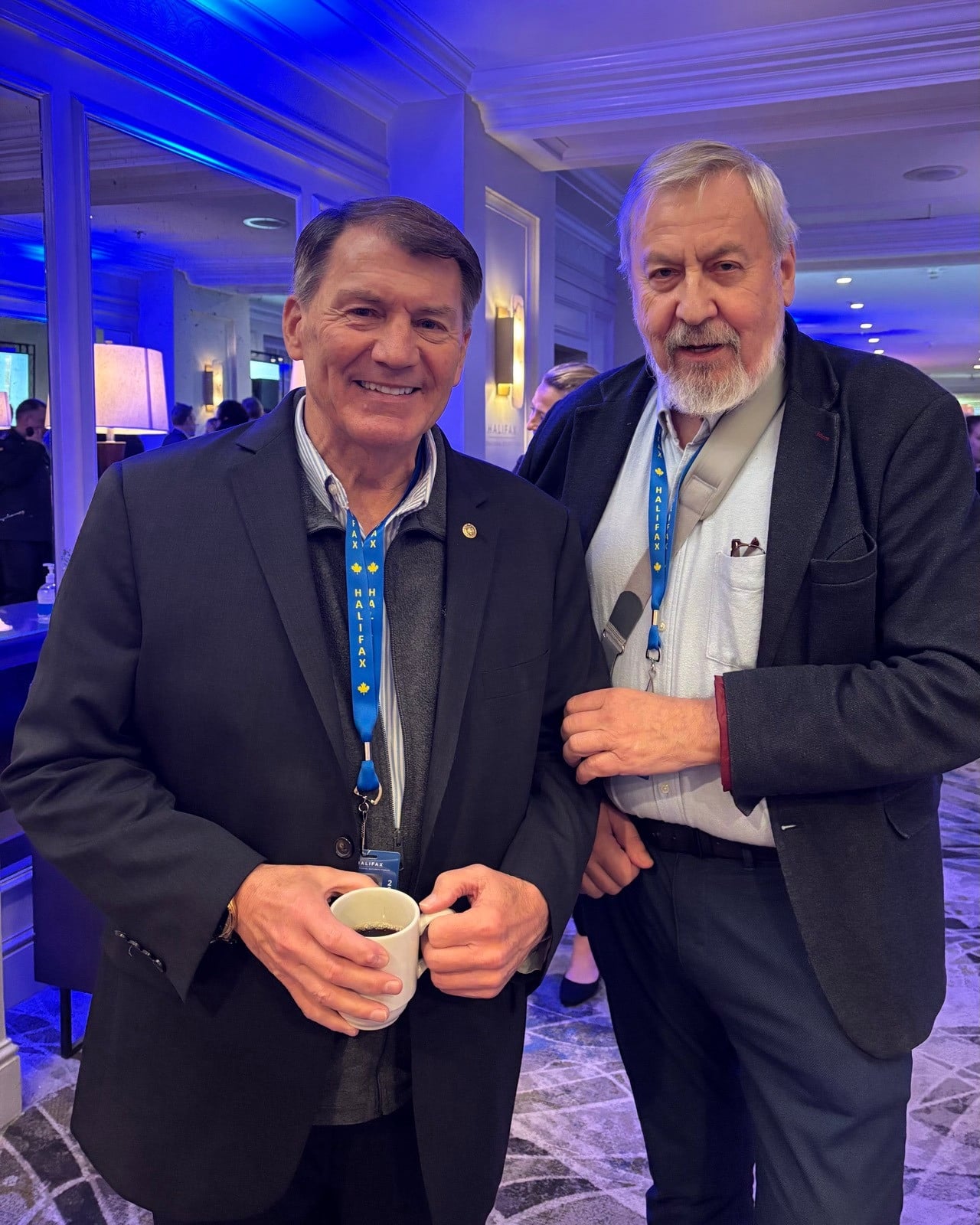
I must note once again that Belarus’s strategic importance for the future of Europe—including the outcome of the war against Ukraine—remains underestimated. Here, in my view, we need to be more insistent in stating that Belarus is the key to security in Europe. It is Belarus that will ensure Europe’s integrity and freedom.
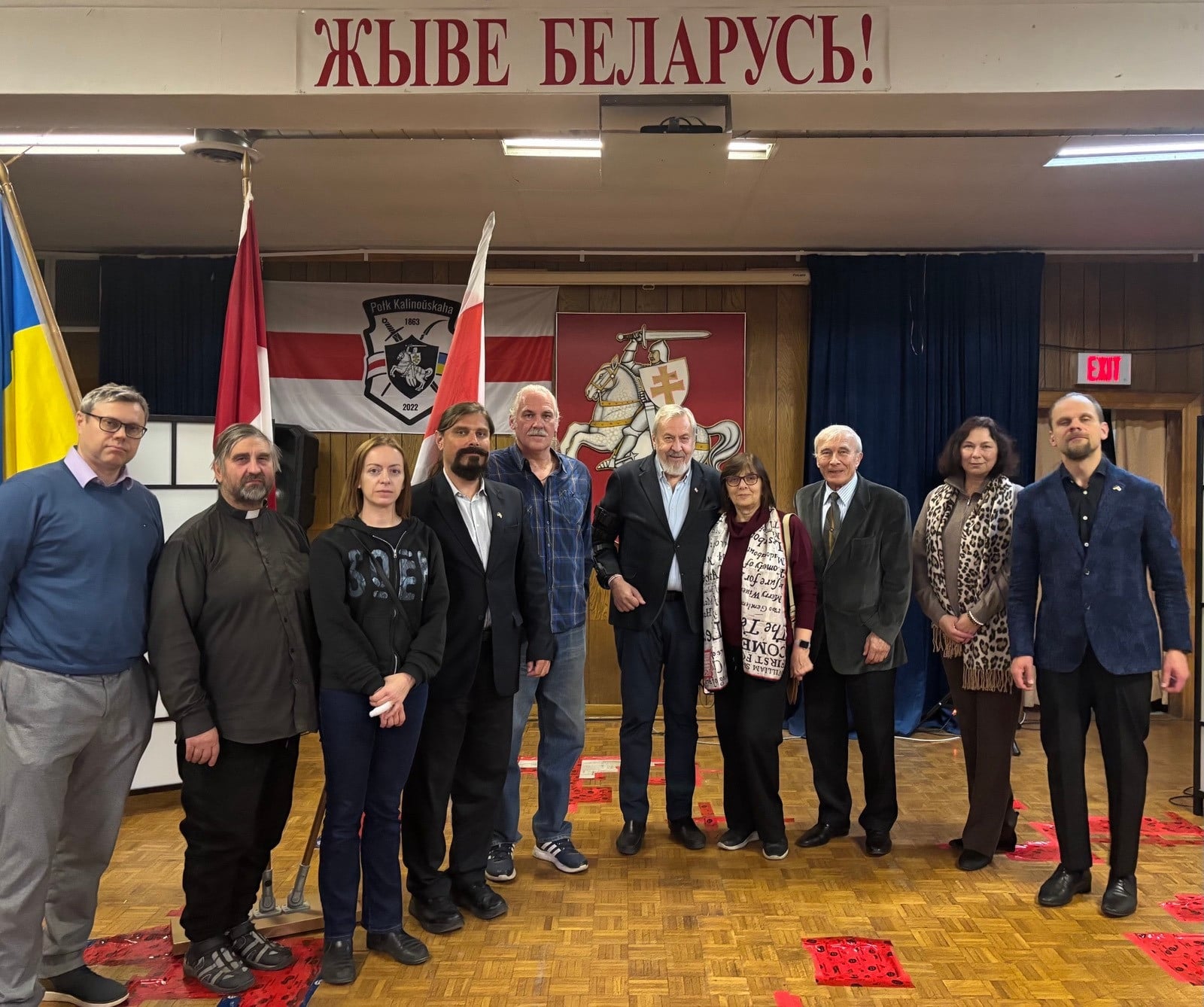
— In Toronto, you held a meeting with Belarusians in Canada. Please tell us more about it. What impression did the Belarusian diaspora make on you? What issues concern our compatriots in Canada the most?
— It’s always a pleasure and a valuable experience to meet with compatriots. I talked about what I’ve been up to lately, including my participation in the forum in Halifax.
We discussed a wide variety of topics, of course with a focus on Belarus—what’s happening in our country, what lies ahead for us, and how the world views us. I am grateful that this meeting took place and that we had a good conversation.

Bank's name: Bank Millennium S.A.
Address: ul. Stanislawa Zaryna, 2A, 02-593, Warszawa
IBAN: PL97116022020000000216711123
SWIFT: BIGBPLPW
Name of the account holder: Fundacja “KARTA ‘97”
Purpose/title of payment: Donation for statuary aims
You can contact us by the e-mail charter97@gmail.com