


CNN: Iran Has Targeted Undersea Cables In The Strait Of Hormuz
1- 17.05.2026, 16:11
- 1,252
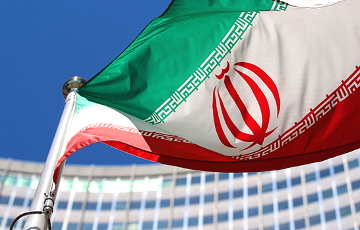
This could trigger a "digital catastrophe".
Encouraged by the success of the blockade of the Strait of Hormuz, Tehran is targeting one of the hidden arteries of the world economy: undersea Internet cables. Any attack could trigger a chain "digital catastrophe".
About this on Sunday, May 17, writes CNN, pointing out that the cables laid under the strait provide huge Internet traffic and financial transactions between Europe, Asia and the Persian Gulf.
Iran is going to charge the world's largest technology companies for their use. Lawmakers in Tehran have discussed a plan that could affect undersea cables connecting Arab countries to Europe and Asia. Meanwhile, Iranian media outlets have threateningly hinted that traffic could be disrupted if companies refuse to pay, CNN noted.
The publication also cited a statement from Iranian army spokesman Ebrahim Zolfaghari, who said bluntly that the country is leading the charge for the use of internet cables.
The media outlet, which is affiliated with the Islamic Revolutionary Guard Corps (IRGC), claimed that Tehran's plan to generate such revenues would require companies including Google, Microsoft, Meta and Amazon to comply with Iranian law. In turn, companies that own undersea cables would have to pay license fees for laying them. In addition, repair and maintenance rights will be granted only to Iranian specialists.
CNN notes that it is unclear how the Iranian regime will be able to force the tech giants to comply with these requirements, as they are prohibited from making payments to Iran due to U.S. sanctions. As a result, companies may view Tehran's statements more as contrived assertiveness.
At the same time, Iranian media outlets, CNN journalists point out, are broadcasting veiled threats, warning that cables could be damaged, which would affect trillions of dollars worth of data transmission and Internet access around the world.
Submarine cables are the backbone of global communications. Attacks on them would affect not only internet speeds but everything - banking systems, military communications, cloud infrastructure and so on, CNN points out.
Tehran's threats are part of a strategy that aims to demonstrate its influence in the Strait of Hormuz and ensure regime survival, Bloomberg Economics expert Dina Esfandiari explained. Tehran's goal, she said, is to inflict so much damage on the world economy that no one else would dare attack Iran.
There are several major intercontinental submarine cables running through the Strait of Hormuz. International operators have avoided Iranian waters because of security risks, concentrating most cables in a strip along the Omani side of the waterway, said Mostafa Ahmed, a researcher at Habtoor Research Center.
But a few of those cables, Falcon and Gulf Bridge International (GBI), pass through Iranian waters, CNN quoted Alan Mauldin of TeleGeography as saying.
Armed with combat divers, small submarines and underwater drones, the IRGC could pose a threat to undersea cables. Any attack could trigger a chain "digital disaster" on several continents, warns Mostafa Ahmed
If Iran's allies decide to employ the same tactics in the Red Sea, the consequences could be even more serious.

Bank's name: Bank Millennium S.A.
Address: ul. Stanislawa Zaryna, 2A, 02-593, Warszawa
IBAN: PL97116022020000000216711123
SWIFT: BIGBPLPW
Name of the account holder: Fundacja “KARTA ‘97”
Purpose/title of payment: Donation for statuary aims
You can contact us by the e-mail charter97@gmail.com