


Russia Scraps Massive Oil Contract With Indonesia
- 22.05.2026, 14:17
- 1,356
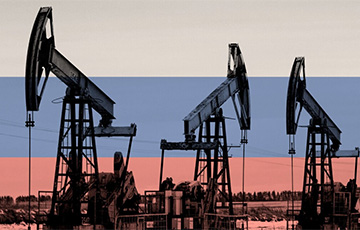
Because of a shortage of tankers and fears of sanctions.
Russia's massive oil contract with Indonesia, announced last month, is being implemented slowly as Jakarta develops a special scheme for importing Russian crude and a regulatory framework, Reuters reported, citing an Indonesian energy ministry official and ship statistics.
Indonesia aims to import 150 million barrels of oil from Russia this year, Deputy Energy Minister Yuli Yuli said in April According to consultancy Kpler, the only shipment of Russian crude - Arctic Novy grade - was sent from storage in Malaysia's Pelepas to the Cilachapa refinery on April 21. No other deliveries of Russian grades to Indonesia have been recorded so far.
Southeast Asia's largest economy is interested in oil and liquefied petroleum gas (LPG) supplies from Russia amid energy shortages following the conflict in the Middle East.
Russia exports about 5 million barrels of oil per day, with the bulk of those volumes going to its two largest consumers, China and India.
The Indonesian official's statement came after the country's President Prabowo Subianto met with Russian President Vladimir Putin in Moscow.
Indonesian authorities say the structure of the deal remains unresolved. Energy Ministry spokesman Laode Sulaeman said Jakarta was developing a special import scheme and a related regulatory framework.
"Pertamina has Eurobonds and needs to avoid steps that could violate their terms. That is why we are now working on a separate scheme," he said, adding that an operator for the imports has not yet been selected and the timeline for implementation has not been determined.
Commenting on the plans, Pertamina spokesman Muhammad Baron said, "The entire process will be carried out in accordance with government directives while adhering to the principles of good corporate governance and applicable regulation."
The Russian Ministry of Energy did not promptly respond to Reuters' request for comment.
The uncertainty over the delivery mechanism complicates the plan. To deliver 150 million barrels from mid-year, Russia would need to ship about 700,000 bpd, a level comparable to deliveries to large buyers such as Turkey. That would require redistributing flows from other markets, which traders say is difficult.
An additional constraint remains a shortage of tankers to carry Russian crude due to Western sanctions, as well as the significant length of the routes, which increases the cost of supply.
Indonesia imports about 1 million bpd of oil and oil products and would need additional volumes even if a deal with Russia is implemented. Authorities are also considering purchases from other suppliers, including the United States.
Russian oil shipments to Indonesia have historically remained small due to the countries' great remoteness and have been limited to a few shipments in recent years, according to LSEG data. Indonesia also buys small volumes of Russian oil products, including naphtha and fuel oil.

Bank's name: Bank Millennium S.A.
Address: ul. Stanislawa Zaryna, 2A, 02-593, Warszawa
IBAN: PL97116022020000000216711123
SWIFT: BIGBPLPW
Name of the account holder: Fundacja “KARTA ‘97”
Purpose/title of payment: Donation for statuary aims
You can contact us by the e-mail charter97@gmail.com