


Iran Demands 'tribute' From US Tech Giants
7- 23.05.2026, 8:16
- 2,432
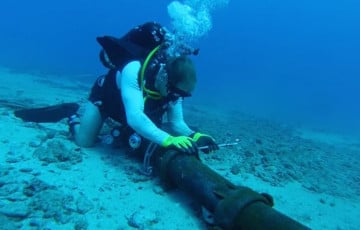
Tehran can cut the internet cables.
Iran plans to impose a tax on Internet traffic for the world's largest technology companies. Tehran wants to use undersea cables in the Strait of Hormuz as a tool to blackmail the West.
This is reported by France 24.
The joke about "banning Google" has reached a new level after Iran threatened to "ban Google itself" and other tech giants if they do not pay "tribute" for internet cables in the Strait of Hormuz. In addition to Google, Meta, Microsoft and Amazon are under attack.
Iranian state media has called the internet cables running deep into the Strait of Hormuz a "treasure at the bottom." Tehran now wants to monopolize the repair and maintenance of these systems.
The work is planned to be given exclusively to Iranian companies for a fee from US companies. The tech giants will be required to comply with Islamic Republic laws.
Legal gray zone
At least seven cables run under the waters of the strait. Some of them are not yet operational, and Iran claims it has every right to "tribute" because there is allegedly not a single centimeter of water in the strait that belongs to the open sea.
Professor Christian Büger of the University of Copenhagen notes that observers have long awaited provocations in the underwater sphere. However, experts question the legitimacy of such demands.
Of all the cables, only two are within Iran's territorial waters - Falcon and Gulf Bridge International. This is according to Jonas Franken of the Technical University of Darmstadt. Others pass through areas where Tehran's sovereignty is limited.
International law has loopholes. The UN Convention on the Law of the Sea does not provide clear answers to all questions, which creates a gray area. Professor Besil Germond notes the weakness of Tehran's position:
"All states retain the freedom to lay and maintain cables, so legally Tehran cannot arbitrarily restrict maintenance," he said.
Risks of sabotage and damage
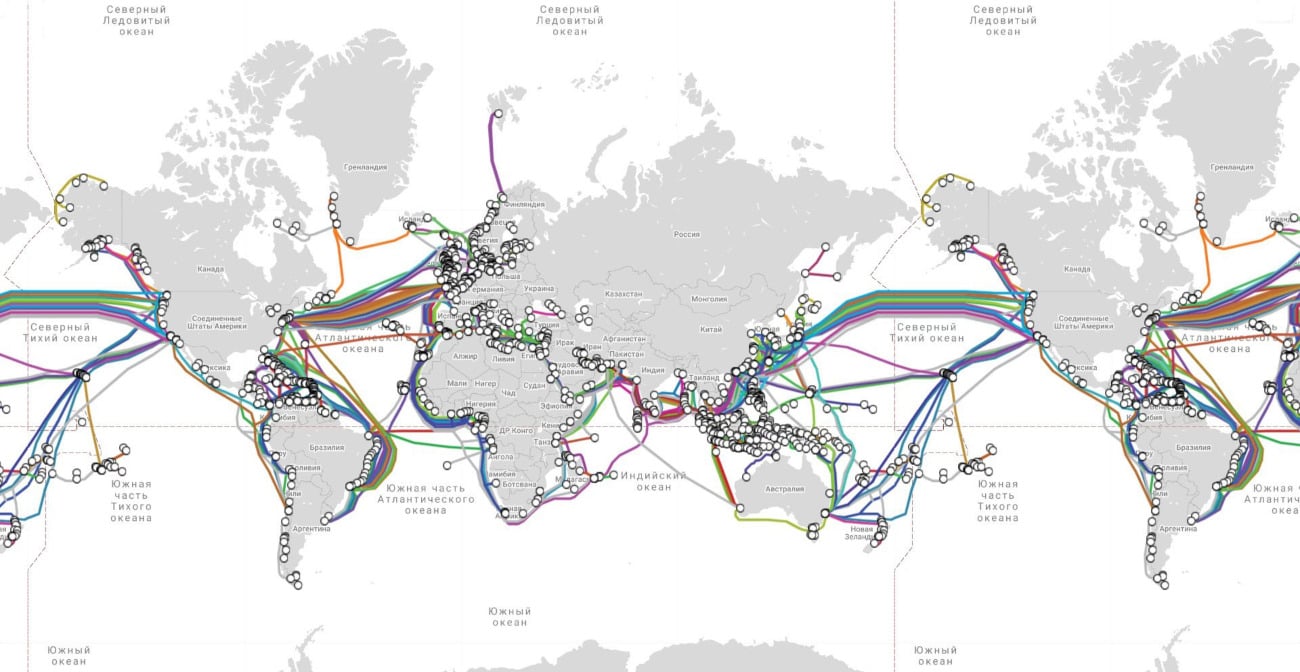
International norms have rarely stopped Iran. The regime was already disrupting commercial shipping. Now digital flows are at risk and Tehran can safely use them as coercion.
There is also a risk of physical damage to the cables. This could happen under the guise of accidents or sabotage. Such incidents have already happened in the Baltic Sea, experts say.
But it is difficult to damage cables in the Strait of Hormuz. The bottom here is sandy and muddy, and critical infrastructure is usually buried for several meters. It takes time and specialized vessels to destroy it. Such actions are easily spotted by satellites and then Iranian ships could become a legitimate target for the US.
Who will feel the consequences first
American companies have a legal problem. U.S. sanctions prohibit most transactions with Iran, so they simply cannot, even if they wanted to, legally pay these fees.
Interestingly, the undersea networks feed mostly Iran's neighbors. Most affected will be:
Saudi Arabia;
United Arab Emirates;
Qatar.
Europe and the United States will feel almost no technical problems. But the region could be plunged into new chaos.
"The more cables are cut, the greater the consequences will be felt in terms of slower connections and reduced bandwidth," Büger warns.
At the end of the day, it is noted that Iran, in addition to its influence on the global oil market, appears to have another trump card up its sleeve in the form of digital blackmail.

Bank's name: Bank Millennium S.A.
Address: ul. Stanislawa Zaryna, 2A, 02-593, Warszawa
IBAN: PL97116022020000000216711123
SWIFT: BIGBPLPW
Name of the account holder: Fundacja “KARTA ‘97”
Purpose/title of payment: Donation for statuary aims
You can contact us by the e-mail charter97@gmail.com